
“The decision to close the ward and relocate patients reflects longstanding concerns about the physical environment of Ward 10A and its suitability for supporting a therapeutic model of care and rehabilitation for people with high and complex needs.
“The future use of the Ward 10A facility, including refurbishment and repurposing options, remains under consideration, and further decisions will be made in due course.”
The Chief Ombudsman said the serious issues identified highlighted the urgent need for health agencies to strengthen their commitment to the safety and dignity of some of the country’s most vulnerable people.
John Allen called on Health New Zealand and the Ministry of Health to act immediately after a team of Ombudsman inspectors visited Ward 10A, an inpatient forensic unit for adults with intellectual disabilities, in March.
“I am disturbed by what our inspectors found. What they observed at Ward 10A are some of the worst practices we have observed anywhere,” Allen said.
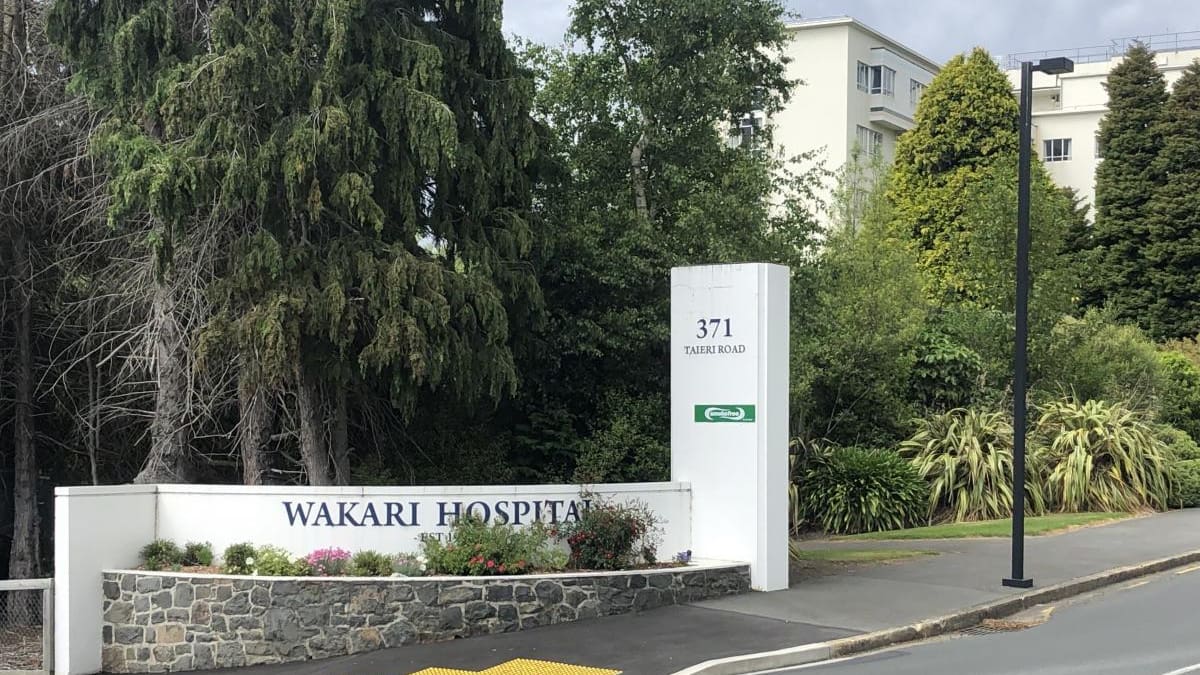
Serious failings have been identified at a forensic intellectual disability ward at Wakari Hospital in Dunedin. Photo / Linda Robertson
“We found compelling evidence of punitive and coercive treatment of people in the ward. Some were subjected to prolonged environmental restraint and/or long-term seclusion.”
In one case, inspectors found a person was being tied to a bariatric, or “EVAC”, mat to move them around the ward, causing physical and psychological harm, including carpet burns.
Inspectors also found one person had been secluded in their bedroom for about 18 months with almost no meaningful human contact and no access to the outdoors.
Other examples of ill-treatment included restrictions on dental care and people being denied access to their own money.
Staff were observed rewarding “good” behaviour with access to basic necessities, including dental treatment or the use of a toilet.
Inspectors also raised concerns that medication may have been administered unlawfully.
“These are allegations of serious and significant failures that amount to potential human rights abuses. This punitive and coercive approach to the care of people in Ward 10A is unacceptable,” Allen said.
He also said there had been little improvement to the ward’s physical environment despite longstanding concerns.
“Infrastructure, facilities and the physical environment must be fit-for-purpose. This is critical to the health, safety and wellbeing of people in the ward and for staff. This applies not just to Ward 10A but across the system.”
The inspection, carried out between March 17 and 20 under the Crimes of Torture Act 1989, formed part of the Ombudsman’s role under the Optional Protocol to the Convention against Torture and Other Cruel, Inhuman or Degrading Treatment or Punishment.
Allen said his office raised its concerns directly with the Ministry of Health and Health New Zealand, both of which acknowledged the findings and the need to ensure people in Ward 10A were treated appropriately.
“The Ministry of Health has accepted my recommendation to undertake an independent investigation into the treatment and conditions of people at Ward 10A and have closed the ward to new admissions.
“It is very important now that they make sure the same number of beds are available across the structure to avoid putting more pressure on the system.”
Allen said Health New Zealand had taken the findings seriously and his office would closely monitor the response.
“The issues at Ward 10A are a stark reminder that much more needs to be done to make sure the very vulnerable in our community, like people with intellectual disabilities, are kept safe and treated with dignity and respect.”
He said New Zealand had legal obligations under domestic and international law to prevent ill-treatment and investigate where there were reasonable grounds to believe it had occurred.
Allen said inspections such as the one at Ward 10A were a critical function of his office.
“While we don’t want to find and uncover situations like this, when we do, this is how we respond. I am very grateful for the work of our inspectors.”
Grady added: “We take patient safety and care very seriously and want to acknowledge the patients, their families, and our staff, all of whom we are supporting during this period of change. Our focus remains on ensuring the safety, dignity and rights of the current patients, while strengthening oversight and reviewing practices.
“While we acknowledge many of the concerns outlined by the Ombudsman, some of these matters involve complex clinical circumstances that remain subject to further review. It is important these processes are completed so that all available evidence and clinical context can be fully considered.
“A wider review of forensic intellectual disability services nationally will also be undertaken in partnership with the services funder, the Ministry of Social Development. Work is under way to finalise a future service delivery model for forensic ID services at Wakari Hospital, including any associated workforce and facility changes.”