
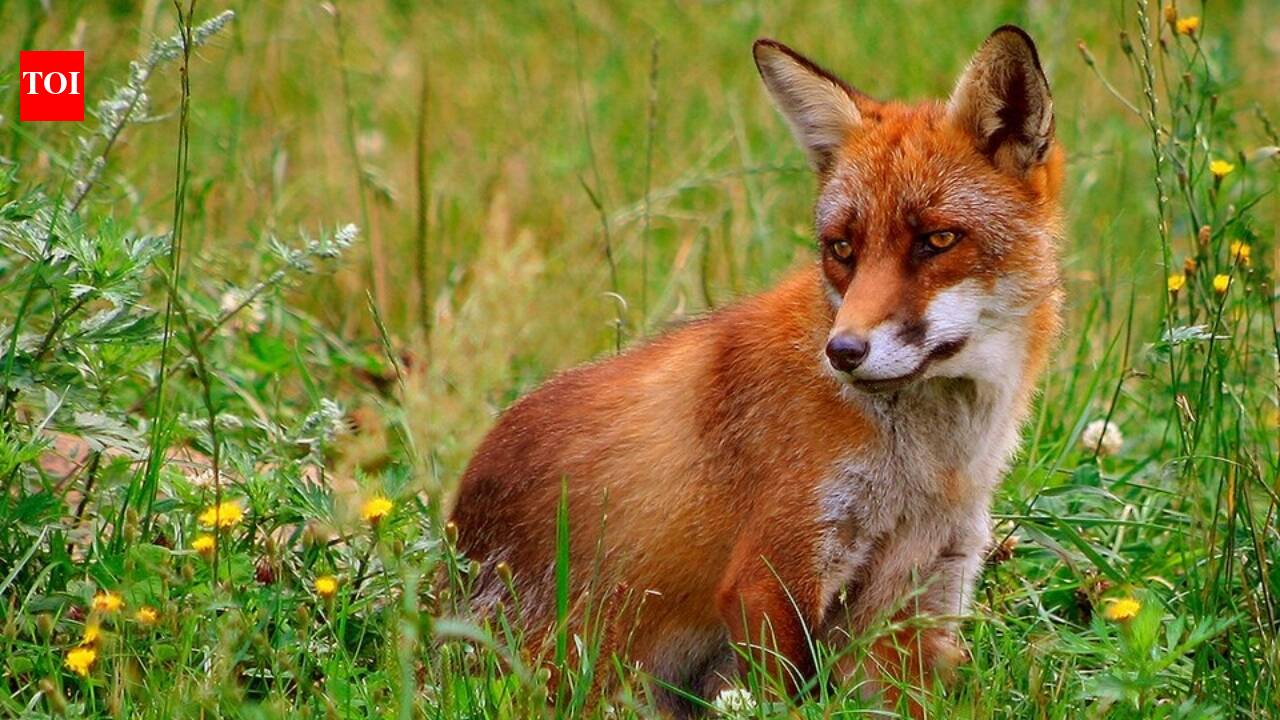
 Red fox, also known as Vulpes vulpes. Image credits: Wikimedia Commons What began as an attempt to recreate traditional European fox hunting in colonial Australia soon turned into one of the most significant ecological mistakes. Introduced during the late 19th century for recreational sports, the red fox, also known as Vulpes vulpes, rapidly grew in much of the Australian continent. However, more than a century later, scientists say that the species remains one of the most dangerous predators, contributing to the decline of native mammals, ground-nesting birds, and reptiles while also causing losses for livestock farmers. Researchers argue that although extensive fox control programs are now in place, the animal’s ability to reproduce and recolonise areas rapidly continues to become a major conservation challenge for Australia. Introduction of sports hunting in the late 1800sThe European settlers deliberately introduced the foxes to Australia during the late 1870s to start fox hunting, which was a popular recreational activity in Britain. However, unlike their native range, Australian wildlife evolved without comparable mammalian predators, leaving many native species poorly adapted to defend themselves against foxes. According to research published in CSIRO’s Wildlife Research, historical records indicate that the fox population increased quickly across southeastern Australia, with the arrival of foxes often coinciding with the disappearance of local native wildlife. Notably, scientists consider the predation by red foxes to be one of the leading causes of the decline among native mammals in Australia. Species like small marsupials, ground-nesting birds, and reptiles have proven to be more vulnerable, as nesting or foraging close to the ground is where foxes hunt most effectively. Following the sharp decline, the Australian Government has identified the European red fox as a key threatening element that affects numerous nationally declining species. Fox control has therefore become an important part of wildlife recovery programs across the country. Interestingly, in several conservation projects, the native mammals have only been successfully reintroduced after fox numbers in the area were significantly reduced. Farmers also feel the impact of red foxesThe ecological damage, as scientists believe, extends beyond native biodiversity, as foxes also cause substantial losses in the sheep industry by hunting newborn lambs. Research suggests predation varies depending on flock management, lambing season and fox density, ranging from relatively low levels to nearly one-third of lambs in some situations.These economic impacts have made fox control a top priority for both wildlife conservation agencies and agricultural communities. It is worth noting that the Australian government have employed several techniques to reduce the number of foxes, including trapping and exclusion fencing, and destroying breeding dens.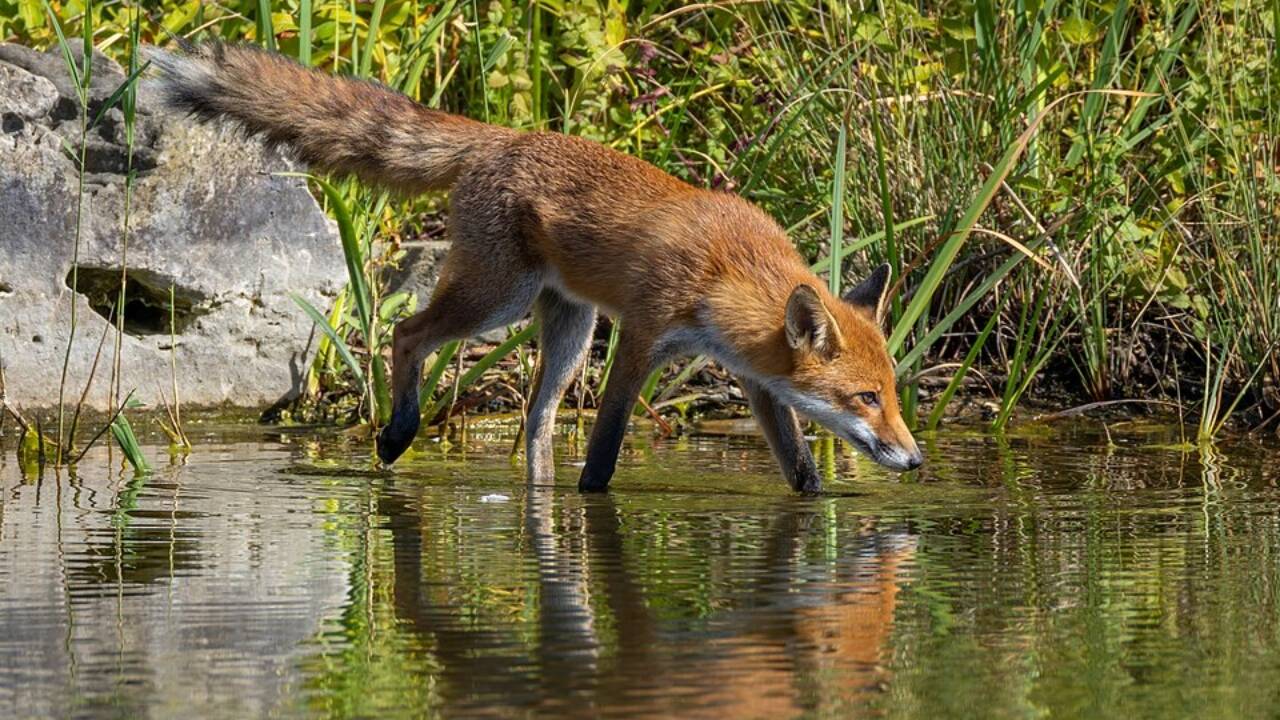
Red Fox spotted drinking water. Image credits: Wikimedia Commons
The most used approach remains poison baiting with 1080, a toxin that has long formed the backbone of broad-scale fox-control programs. According to scientific studies, well-planned baiting can reduce fox activity quite effectively. However, researchers also draw caution to the fact that isolated or poorly coordinated efforts produce temporary results as foxes quickly recolonise treated areas. Despite decades of management, red foxes remain widespread across much of Australia, with conservation experts claiming that continued monitoring, coordinated control and habitat restoration will all be important to protect the vulnerable native species from further decline.The story of the red foxes of Vulpes vulpes serves as a reminder of the unintended consequences that can follow after the introduction of non-native species into a fragile ecosystem. What once was viewed as a recreational addition to the continent has ultimately become one of Australia’s most costly wildlife lessons, with the impacts still being felt centuries later.