
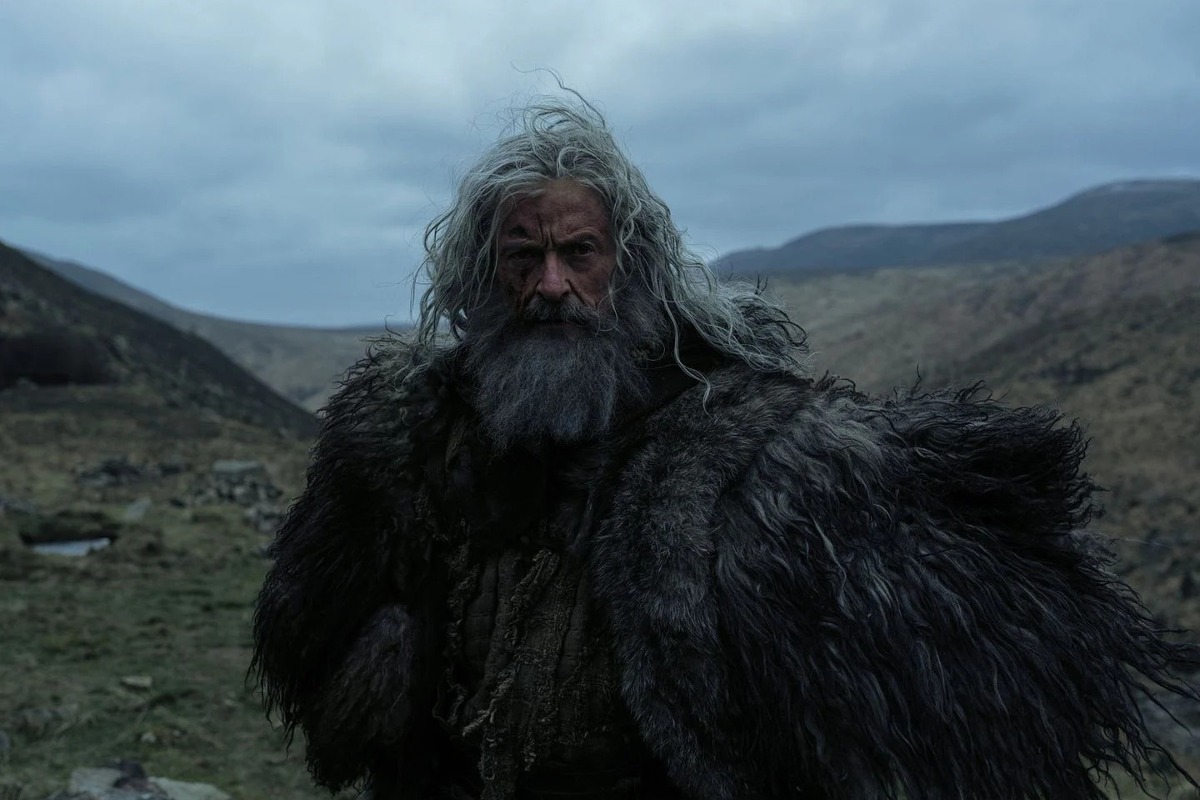
Hugh Jackman plays an older, battle-scarred Robin de Locksley in Michael Sarnoski’s darker take on the legend, due in theaters July 1, 2026. The production leaned on heavy prosthetics instead of digital injury work, dressed Jackman in a 90-kilogram coat, and shot in Northern Ireland on film for a grittier medieval feel.
Each morning on set, Hugh Jackman sat through eight-hour makeup calls until long, graying hair and a white beard turned him into Robin de Locksley, older and visibly worn down. The transformation did not stop in the chair: he trained in archery and primitive combat with Donny Dust to move like a medieval outlaw, not a storybook champion. Director Michael Sarnoski pushes the legend into harsher territory, leaning on prosthetics instead of digital wounds and the raw landscapes of Northern Ireland. The result is a Robin Hood shaped by scars, weight, and a stubborn search for redemption.
A darker Robin Hood takes the stage
Robin Hood keeps returning because each era wants something different from him. This time, the promise is less swashbuckling, more reckoning. In Michael Sarnoski’s upcoming film On l’appelait Robin des Bois (an official US English title has not been confirmed), the outlaw is older, injured, and haunted. A release date is set for July 1, 2026 overseas, while US timing has yet to be announced.
What’s clear is the shape of the story. Hugh Jackman plays Robin de Locksley, left for dead after a fight he thought would be his last, then taken in by a mysterious woman. The cast also includes Jodie Comer as Sister Brigid and Bill Skarsgård as Little John, setting up a tight, character-driven triangle rather than a parade of Merry Men.
Jackman’s long mornings, and a heavy coat
Jackman’s transformation begins before the cameras roll. According to People, he spent 8 hours a day in the makeup chair, building the look piece by piece: graying hair, a white beard, and the kind of facial wear that suggests decades of violence. It’s the sort of time commitment that changes the pace of an entire production day.
The costume work is just as physical. Costume designer Lorna Mugan reportedly put him in a coat weighing close to 200 pounds, using layers to bulk up his silhouette and make Robin feel burdened in every step. Jackman has compared the emotional access point to what he explored in Logan, only now filtered through age and regret.
Training with a survival specialist
To sell a more grounded medieval outlaw, Jackman trained in archery and combat with Donny Dust, a former US Marine known to many TV viewers from Alone. The goal, as described in the production materials, was not trick-shot elegance but repeatable, believable movement, the muscle memory of someone who hunts and fights to stay alive.
This is the case throughout the film’s approach to action: less choreography, more struggle. In an interview cited by Entertainment Weekly, Sarnoski frames the violence as blunt and survival-driven, a deliberate step away from the polished duels audiences often expect from Robin Hood.
Practical wounds, real landscapes
Sarnoski also leaned away from digital enhancements for injuries, favoring prosthetics and detailed makeup effects to keep wounds tangible on camera. Production used natural locations in Northern Ireland, and the filmmaker opted to shoot on film for a rougher, more organic image texture.
It raises one quiet question: if the legend is built on stories people tell about Robin, what happens when the man himself doesn’t believe he deserves them?