
Why a less inflammatory diet could help those at risk of dementia
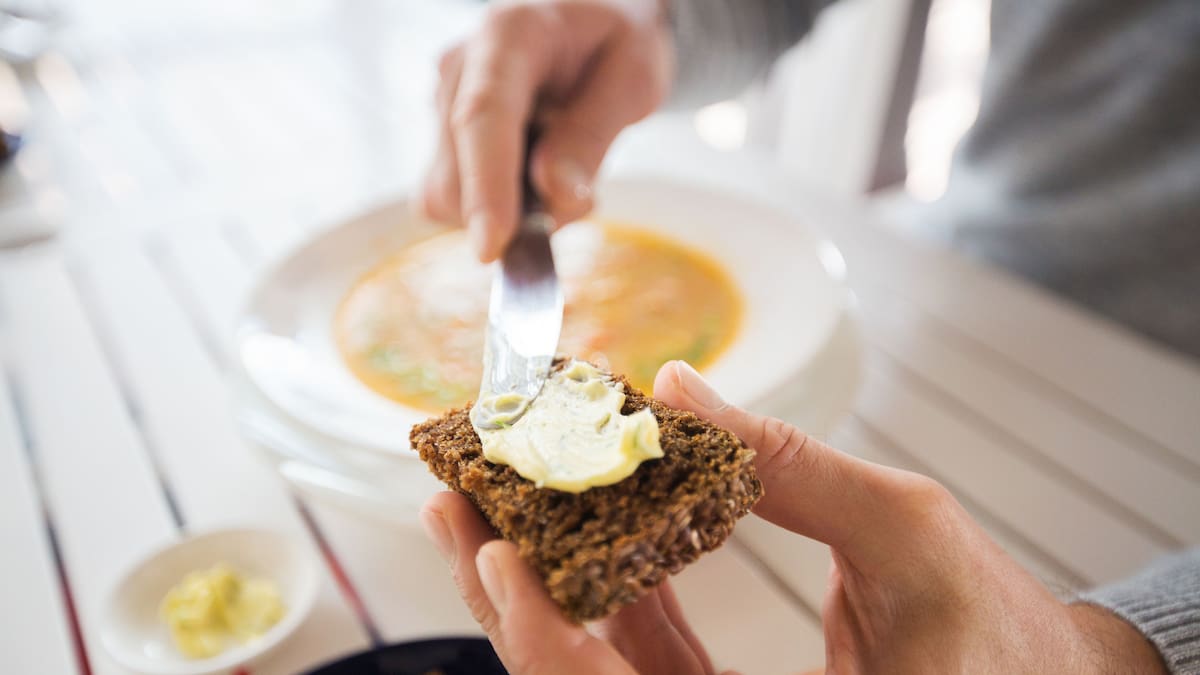
A recent study found that those who carry the APOE4 genetic variation (a risk factor for Alzheimer’s you are born with) may benefit most from adhering to a Mediterranean diet. Photo / Lauren Segal, The New York Times
How to eat for long-term brain health
Eat more fruits and vegetables, in whatever way is easiest or tastiest. Reiss pointed out that fresh or frozen options are both great, and it’s always better to eat them versus not, so feel free to prepare them however you like. Or, she said, use a mum trick on yourself and hide them in other foods you enjoy (e.g. zucchini in baked goods, cooked carrots in tomato sauce).Limit ultra-processed foods to the extent you can. Packaged foods that have endured a long processing journey – ones that don’t resemble anything in nature, like refined grains and sugary drinks – tend to be pro-inflammatory, Raji said, and generally offer fewer healthy nutrients and are less satiating than unprocessed ones. However, they’re also among the cheapest, most convenient foods. “It can feel like the option is to microwave your TV dinner or be a master chef every night,” Reiss said. “You want to try to find the best medium.”