
“People that originally could have a bit of margin in their week-to-week budget … the margin that they used to have is now spent on normal daily living like food.
“All of a sudden they’re fixing the car and now they’ve got no money for food.”
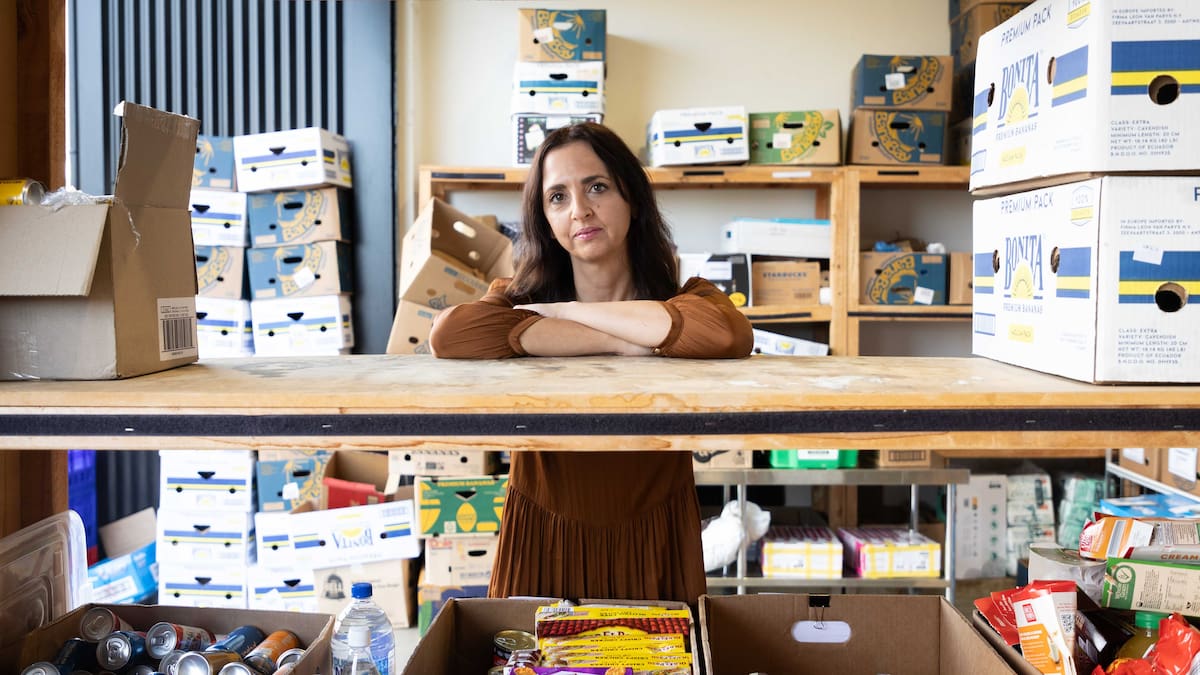
Good Neighbour is a Tauranga not-for-profit that rescues surplus food and redistributes it through shared meals and pantry boxes.
Hanna said the increase in demand was being matched by growing financial pressure on the charities.
Good Neighbour general manager Renee Hanna. Photo / Alex Cairns
Good Neighbour’s biggest challenge was the cost of collecting and distributing food across the region.
“Our trucks are running five days a week on diesel with road user charges all day. It’s big bills.”
Hanna said as fuel prices have remained high, the organisation has reviewed truck routes, staffing and day-to-day operations to reduce costs.
“We’ve worked really hard to get a really efficient baseline of what we do, and that means extra funding can go straight into the food and getting help to people in need.”
Hanna said an unexpected consequence of the cost-of-living crisis had been the quality of food arriving from supermarkets.
“We’re getting more of the more expensive cuts of meat because people are less likely to afford that these days.
“It’s kind of an interesting dynamic so … a sort of a weird win for the community.”
Nicki Goodwin, Tauranga Community Foodbank general manager. Photo / Alex Cairns
Tauranga Foodbank general manager Nicki Goodwin said her biggest concern was the people who may be suffering in silence.
“Maybe they don’t feel comfortable asking for help, maybe they don’t know how to, maybe they are getting through by using credit cards or Afterpay.”
Goodwin said the cost of housing remained the biggest driver of food insecurity, with even dual-income households struggling to cover essential expenses.
“When fixed costs such as power and rent go up, the first thing in a budget to get wiped out is the food budget.”
She said demand for grocery deliveries had increased by 200% in recent months as rising fuel costs had left some people unable to travel.
“We should all be able to afford to buy food in New Zealand. It shouldn’t be considered a luxury to be able to feed yourself or your whānau.”
Goodwin warned that hunger would have wider impacts on communities.
“The long-term effects of hunger and desperation are reflected in decreased mental health, increased crime and low school attendance.”
Under the Stars Charitable Trust operations co-ordinator Rose Kent-Wilson said demand had grown dramatically across almost every service the organisation provided.
A year ago, the organisation prepared about 600 meals each month for the community.
In May, it served 717 meals through its Thursday and Saturday services while preparing another 500 freezer meals for Tauranga Foodbank and the Salvation Army – more than 1200 meals altogether.
Saturday meal services increased from around 85 people to more than 100, with peaks of 120. Demand had also increased for tents, sleeping bags, clothing, toiletries and laundry services.
Kent-Wilson said financial pressure remained the biggest reason people were seeking help.
“Community organisations are increasingly filling those gaps, but demand is exceeding available resources.”
She said Under the Stars had expanded beyond meal services in response to demand, with the support of more than 120 volunteers.
“We have expanded beyond providing meals to include health clinics, laundry and shower facilities, veterinary support, barber services, clothing, bedding and essential hygiene items.
Kent-Wilson said charities could not continue to absorb growing demand indefinitely.
“Without additional funding, facilities and operational capacity, organisations like ours will struggle to meet growing demand.”
Zoe Blake is a multimedia journalist at the Bay of Plenty Times and Rotorua Daily Post.