
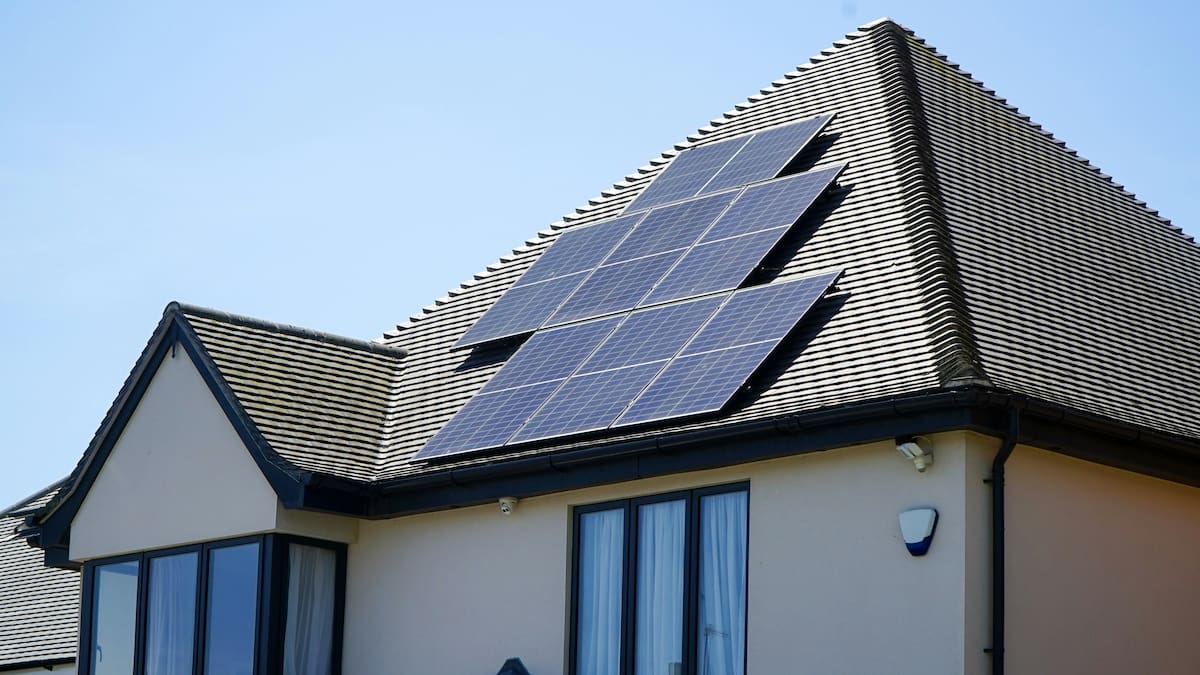
In other words, what you save on your electricity bill can outweigh loan repayments.
Spreading a $20,000 installation over 30 years – at 5.5% interest – would result in principal and interest costs of about $41,000, but Casey says solar can still trump that. “It’ll return you $60,000 by the time those solar panels get to their end of life.”
However, Casey says the maths is different for every household, and getting the sequence of upgrades right matters.
The financial calculations differ for every household, and sometimes the best place to start for savings isn’t with solar panels.
“The number one piece of economic advice would be electrify all the things in your life, and then you’ll have a fantastic return on the solar that goes on your rooftop,” Casey says.
Research from Rewiring Aotearoa suggests the savings for a fully electric household – with electric home heating, hot water, transport, solar and batteries – could now be around $3000 a year better off, even after accounting for upfront costs and interest on finance.
“The more you’re buying from another source … because it’s gas or petrol or diesel, the more you undermine your solar payback.”
Casey, who has fully electrified his cherry orchard, says that as someone who drives 30,000km a year, switching to an electric vehicle was “an economic slam dunk”.
But others might be better off starting elsewhere. “I have a friend who has four teenage daughters. The hot water heat pump is by far the best option … to make sure that they bring down their bills.”
Watch or listen to the full episode of The Prosperity Project for more.
The Prosperity Project is hosted by Nadine Higgins, an experienced broadcaster and financial adviser.
Follow the show at iHeartRadio, Apple Podcasts, Spotify or wherever you get your podcasts. New episodes are released every Monday.