
New Zealand exporters are reporting higher shipments to India ahead of the country’s Free Trade Agreement (FTA) with India entering into force later this year, according to Trade Minister Todd McClay.
“The New Zealand-India FTA has been signed and is now before Parliament. We expect it to enter into force later this year, but we’re already seeing a strong halo effect. Export volumes are up because businesses and customers can see the quality of what New Zealand has to offer,” McClay said.
He added that exports have followed a similar pattern to previous trade agreements. “Exports start growing as soon as people spot the opportunity, and the India FTA is no different. The benefits will only grow once the agreement is up and running.”
Once the agreement takes effect, 57 per cent of New Zealand exports to India will become tariff-free immediately, with additional tariff reductions phased in over time.
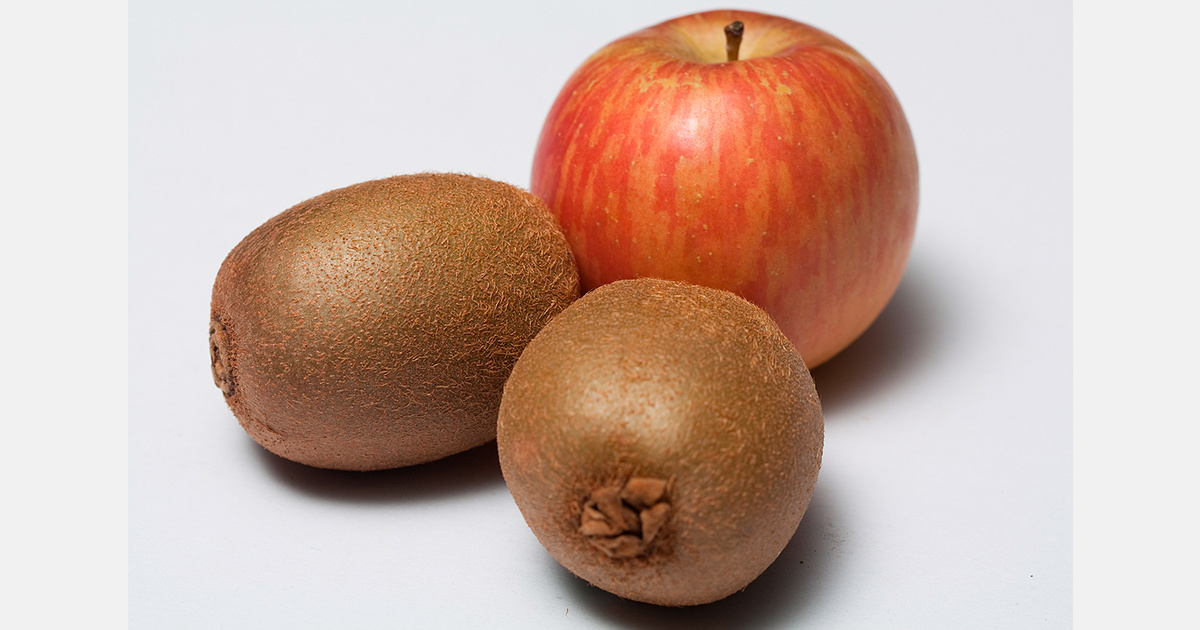
Apple exports have recorded the largest increase. Since negotiations began, exports have risen 63 per cent compared with the 2024 season, increasing from 27,000 tons to 45,000 tons so far this season, with shipments continuing. India has moved from New Zealand’s seventh-largest apple market to its fourth-largest within two years.
McClay said: “Once the FTA takes effect, apple tariffs halve to 25 per cent from day one on an initial quota of 32,500 tons, rising to 45,000 tons by year six. That’s a real financial boost for growers.”
Kiwifruit will also receive improved market access. The agreement provides tariff-free access within a quota starting at 6,250 tons and increasing to 15,000 tons by year six. Tariffs outside the quota will be reduced by half from the start. The industry estimates tariff savings of about US$74 million over five years.
McClay said New Zealand would also benefit from the Most Favoured Nation clause in the agreement, which provides access to improved trade terms agreed between India and the European Union once the New Zealand agreement enters into force.
“This momentum is down to the hard work of New Zealand exporters who got in early, built relationships and positioned themselves to make the most of the FTA when it kicks in. I’m confident we’ll see plenty more success stories in the months ahead,” McClay said.