
A criticism of the proposed ban is that it can be easily circumvented with a VPN. This criticism was made in a select committee inquiry that looked into digital harm and a potential ban. The committee said there was a “well-founded concern” VPNs could be used to evade a ban and recommended further exploration of the issue. Both the Act Party and the Green Party submitted a minority view saying they disagreed with any crackdown on VPN use.
NZ First supports social media restrictions for under-16s but not a VPN ban. Photo / Mark Mitchell
The challenge with banning VPNs is that they are legitimately used by adults and children alike, often for the purpose of improving a user’s cyber security.
Act leader and Deputy Prime Minister David Seymour noted to the Herald that MPs’ laptops use VPNs to improve cyber security.
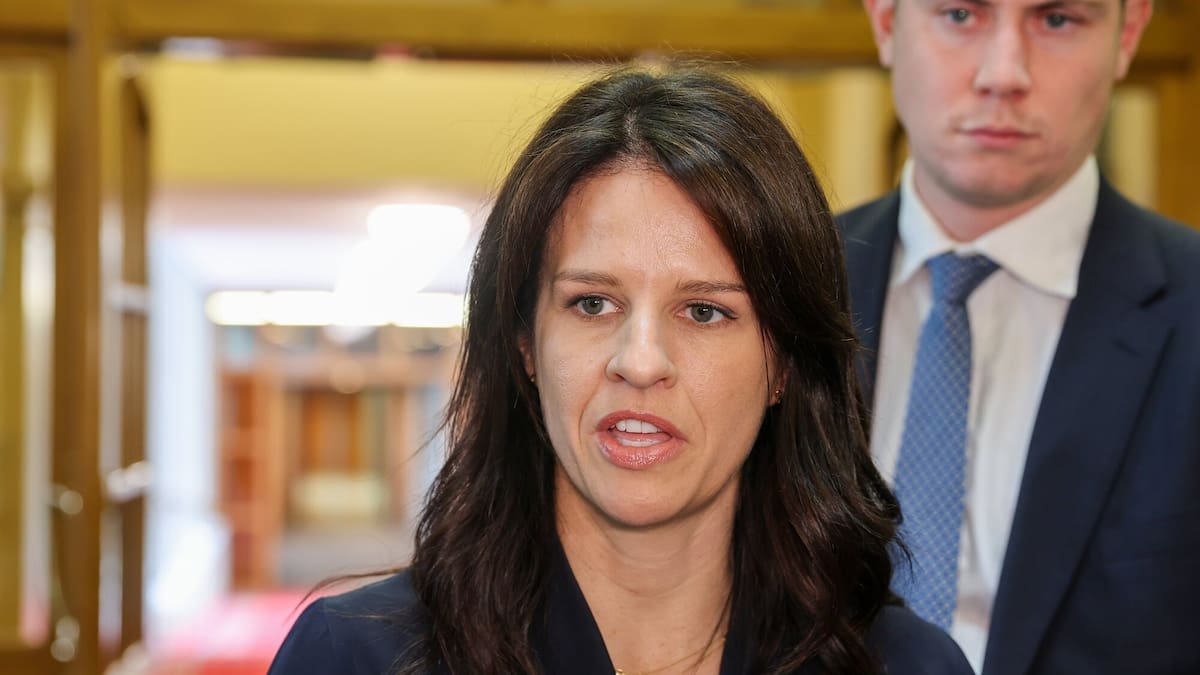
Stanford told the Herald in a statement that she was “not considering mandating the use of Government Digital ID or banning VPNs as part of our work on reducing online harm to children”.
“Out of respect for my Cabinet colleagues, I won’t discuss further details ahead of Cabinet decisions,” she said.
Stanford’s paper was withdrawn before being formally agreed to. Nothing has replaced it.
Act Party leader David Seymour said his party would not back a ban on VPNs. Photo / Dean Purcell
A spokesman for NZ First told the Herald that while “NZ First understands and agrees with the intent of the law change”, the party “would not be supporting the progression of this legislation”.
“We communicated our concerns to National over the past few months and again last week. Our stance has not changed,” the spokesman said.
“We have also questioned the progression of this legislation given the failure of Australia to address under-16s using social media with the use of a similar law,” the spokesman said.
Seymour issued a statement this morning promising his party would “prevent any ban on VPNs”.
“Speculation over a VPN ban exposes the problem with well-intentioned efforts to protect children from harm.
“Any ban strong enough to stop a motivated teenager is strong enough to violate all of our privacy. On the other hand, motivated teenagers will skirt anything weaker in an instant. The Australians have found this, with 80 per cent of teens ignoring the ban.
“If a teenager can bypass a social media ban with a VPN, then the ban isn’t effective. If the Government responds by restricting VPNs, it is no longer regulating children’s access to social media, it is regulating how every New Zealander uses the internet,” he said.