
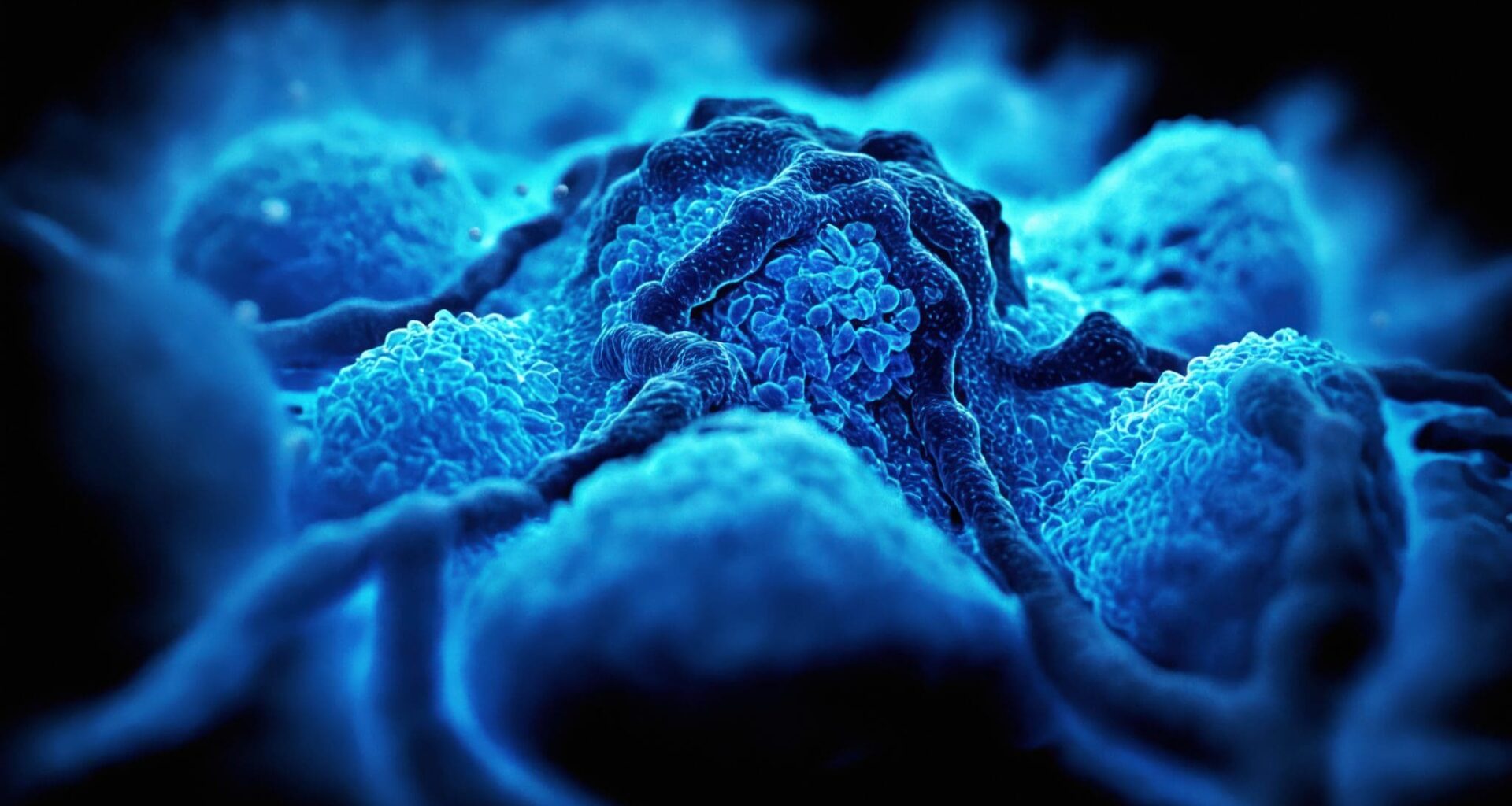
Dr. Priya Hays discusses the mechanisms of treatment resistance in cancer, highlighting their significance for developing better treatment strategies and improving outcomes
Cancer drug resistance: mechanisms and implications
When it was discovered in the clinic that both classes of therapies – targeted therapies and cancer immunotherapies – met with responders in the clinic and clinical efficacy, drug-related resistance soon emerged. The mechanisms of resistance for each class of therapy are distinguished by differing molecular pathways and tumor heterogeneity. There are two categories of resistance: innate resistance occurs when cancer cells are non responsive to a therapy before treatment begins, while acquired resistance develops after an initial period of sensitivity. Both forms limit the effectiveness of cancer drugs and immunotherapies. Innate resistance is built into cancer biology through pre-existing mechanisms, including genetic instability and immune evasion. When T cells cannot recognize cancer cells due to a lack of antigens or altered antigen presentation machinery, immune detection of tumor cell death is prevented.
When resistance develops after an initial period of treatment, it is termed acquired resistance and is usually due to cancer cell evolution through genetic, epigenetic, and microenvironmental modulations. Common to both targeted therapies and immunotherapies, acquired resistance is usually due to mutations in drug targets, activation of signaling pathways that bypass the drug’s mechanism of action, and immune escape. A major cause of relapse, it is central challenge in oncology.
Intrinsic resistance to cancer results from epigenetic, metabolic, transcriptional, and DNA damage response aberrations. Extrinsic resistance arises from the tumor microenvironment, including cancer-associated fibroblasts and other TME cells that contribute to tumor proliferation and progression. In concordant tumor biopsy and liquid biopsy samples, the mutations BRCA1/2, NF1, KRAS, RB1, and ERBB2 have been shown to be associated with drug resistance.
There are also core distinctions between immunotherapy resistance and targeted therapy resistance. Immunotherapy resistance occurs when the immune system fails to recognize or destroy the tumor effectively despite immune activation. This sometimes occurs with immune checkpoint inhibitors in the tumor microenvironment. Tumors evolve ways to avoid immune recognition, suppress immune cells, and create an immunosuppressive microenvironment. For targeted therapy, resistance occurs when the tumor bypasses inhibition of a specific oncogenic pathway wherein the therapy is primarily activating on mutated receptors, kinases, or signaling pathways. Examples are EGFR, BRAF, PARP inhibitors or CDK4/6 inhibitors. Tumors evolve by bypassing signaling pathways and secondary mutations. Understanding the distinction between these types of resistance is crucial for selecting treatment regimens, as first-line therapies can be chosen more effectively. Clinicians may benefit from either targeted or immunotherapies, and combination strategies to delay or prevent resistance may be designed.
Resistance mechanisms include loss of antigen presentation, when the tumor stops presenting antigens; T cell exhaustion, when T cells become dysfunctional after chronic stimulation; an increase in Tregs and suppressive cytokines, creating an immunosuppressive microenvironment; and upregulation of inhibitory checkpoints such as TIM-3, TIGIT, and LAG-3. Other mechanisms include the emergence of secondary mutations, such as the EGFR T790M mutation, after EGFR inhibitor therapy, and when the tumor activates a parallel pathway, such as MET amplification, also known as bypass signaling.
Case studies: mechanisms of resistance in non-small cell lung cancer, chronic myeloid leukemia, and chronic lymphocytic leukemia
Non-small cell lung cancer frequently harbors the EGFR mutation, and several tyrosine kinase inhibitors were developed to treat it, including erlotinib and the third-generation drug Osimertinib. For patients receiving Osimertinib, resistance emerged, and many became non-responders. The secondary mutation underlying this resistance was the MET amplification pathway, for which MET inhibitors were developed, including capmatinib, tepotinib, savolitinib, glumetinib, and vebreltinib. The bispecific antibody amivantamab was also designed to target the dual EGFR-MET mutations in non-small cell lung cancer.
Chronic myeloid leukemia is a malignancy derived from the translocation of chromosomes 9 and 2, leading to the Philadelphia chromosome and resulting in the fusion BCR-ABL protein. Aberrant cellular proliferation results in the malignancy. Imatinib, a tyrosine kinase inhibitor, was developed to inhibit the BCR-ABL fusion protein and reduce proliferation and was one of the first therapies developed in the personalized medicine era. However, with the continued use of imatinib, resistance developed, and second-generation drugs such as nilotinib and dasatinib were developed, as well as the third- generation drugs ponatinib and asciminib. Asciminib differs from the other drugs in this category in that it does not bind ATP but binds allosterically as its mechanism of action.
Targeted therapies for chronic lymphocytic leukemia include the covalent BTK inhibitor ibrutinib and the BCL-2 inhibitor venetoclax. However, secondary mutations and resistance in the clinic were observed against these therapies. The most commonly acquired mutation associated with resistance to covalent BTK inhibitors that resulted in impaired drug binding is in the C481 residue, detected in over 50% of patients through sequencing. The development of third-generation, noncovalent BTK inhibitors (ncBTKi), with a novel binding mechanism at the ATP-binding pocket, arose from the observation that cBTKi led to intolerance and disease progression despite long-term adherence, due to the acquired C481 mutation. G101V is a common mutation associated with BCL-2 resistance. Pirtobrutinib, a non-covalent BTK inhibitor, was evaluated in the BRUIN open-label, multicenter phase 1/2 study, which enrolled a cohort in which efficacy was observed at all dose levels; however, no maximum tolerated dose (MTD) was established. At ASH 2022, updated results were presented, and a PFS of 19.6 months and an ORR of 82% were reported at 13.9 months of median follow-up in 247 evaluable BTKi- pretreated CLL patients who had a median of three lines of previous therapies. In addition, a subgroup of one hundred patients who failed both BTKi and BCL2 inhibitors had a median PFS of 16.8 months and an ORR of 79%, with consistent response. The study authors concluded that pirtobrutinib appears to be very well tolerated.
Overcoming resistance to therapies
There are strategies to overcome resistance to therapies, including the development of novel agents such as pirtobrutinib in CLL and the bispecific antibody amivantamab for NSCLC. Checkpoint inhibitors such as anti-PD-1 and anti-PD-L1 agents have been combined to combat immunotherapy resistance. Liquid biopsy monitoring is also being employed to characterize resistance and develop new therapies, strategies, and combinations for resistance. However, tumor evasion of treatment seems to be a driving factor in oncology treatment design and cancer patient care.
References
Hays P. Personalized Medicine in Oncology: Precision Medicine and Transformative Technologies. (Cham, Switzerland: Springer Nature Publishing). 2026.
Hays P. Beyond BCL2 (B cell lymphoma) and BTK (Bruton tyrosine kinase) inhibitors: novel agents and resistance mechanisms for chronic lymphocytic leukemia. Discover Oncology. 2025;16(1)
Please seek permission from the author before using this content