
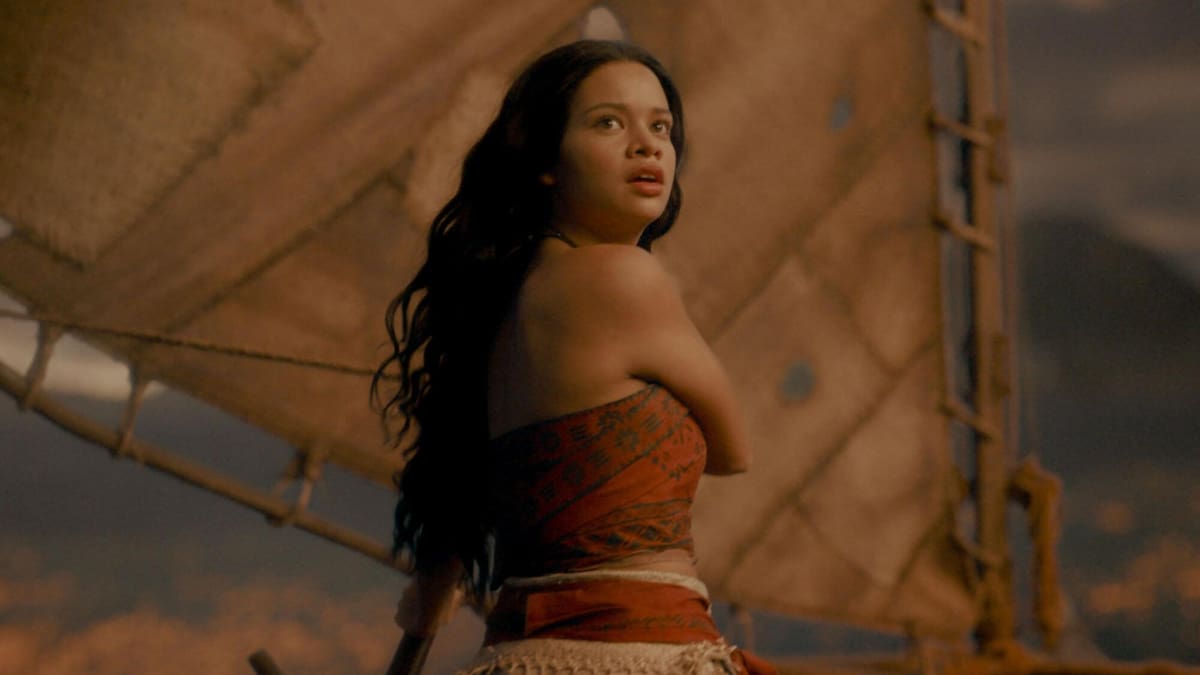
With a budget estimated at US$200 million to $250m ($351m-$438.7m), the film is banking on spectacular special effects to draw in crowds at a time when animated sequels Toy Story 5 and Minions & Monsters are riding high at the box office.
Nostalgia
Remakes and franchises have become a cornerstone of modern Hollywood production, despite criticism that they are a sign of declining creativity and risk-taking by the industry’s big beasts.
Concepts and characters that are already familiar to viewers are seen as bankable profit-makers by under-pressure studios, while offering attractive merchandising, games and other spin-off possibilities.
Disney’s appetite for live-action remakes of its animated hits was whetted by the huge success of 2010’s Alice in Wonderland by Tim Burton, which grossed more than US$1 billion worldwide.
Aladdin, Beauty and the Beast, and Lilo & Stitch have each broken the billion-dollar level at the box office since.
“Overall, they’ve done very well, especially the films based on the Disney Renaissance of the 1980s and 1990s,” Stephane Durand, a pop culture and Disney specialist in France, said.
“The biggest hits are films that recreate the original almost shot for shot,” he explained.
“For people interested in storytelling, it’s pretty poor. But as long as the films make a billion dollars, it will go on.”
Not all have been a hit, however.
The Little Mermaid (2023) earned a lacklustre reception, while Snow White (2025) proved a disappointment.
“Studios need to ensure that the charm of the original is retained and need to be extremely judicious with their creative licence,” Caroline Reid, a journalist at Forbes magazine specialised in the film and entertainment industries, said.
But even those that don’t draw crowds to cinemas can still turn out to be commercial hits thanks to the rise of streaming.
“Many of the live-action remakes that don’t succeed at the box office are hits on streaming. The Little Mermaid is a good example of this,” Reid said.
– AFP