
“That supply is often unpredictable, leading to shortages and limiting the ability of our mussel farmers to fully utilise their consented marine space,” Patterson said.
“This $4.5 million Regional Infrastructure Fund (RIF) loan will help overcome barriers to growth in the sector and make New Zealand’s spat supply more reliable.”
The Te Hiku Aquaculture Mussel Spat Project will be delivered by Akau, a special-purpose body formed by four iwi: Te Aupōuri, Te Rarawa, Ngāi Takoto and Ngāti Kahu. Te Aupōuri Fisheries Management Limited will lead the nursery development on behalf of the collective.
The iwi partners are contributing $1.3 million in co-funding to the project. The nursery will include up to 150 mussel lines, developed in stages. The first stage will establish 90 lines expected to produce about 700 tonnes of spat per year. The nursery will improve survival rates before mussels are transferred to farms nationwide, he said.
The project is expected to deliver long-term returns for the five iwi partners and create about 10 jobs during construction and five permanent roles once operational.
“This investment aligns with the Government’s Aquaculture Development Plan, which aims to grow the industry to $3 billion in annual revenue by 2035,” Patterson said.
The Far North’s green-lipped mussel/kūtai industry is set to grow further through a Government loan to set up a spat nursery in Houhora Bay.
He said the project was progressing through the fast-track consent process as part of the broader Muriwhenua Aquaculture application, and securing consent was required before any loan funding was drawn down.
The wider Muriwhenua Aquaculture proposal was accepted into the fast-track process after being recognised as having significant regional or national benefits.
An initial assessment found it lacked sufficient information for immediate referral to the most accelerated pathway and identified several issues requiring further work.
Questions were identified around environmental effects, fishing impacts and navigation that required further work.
The proposal was originally lodged in 2024 and has since been scaled back significantly, from nearly 25,000ha across nine sites to about 1672ha across four sites including Houhora Bay.
Houhora Bay is on the eastern side of the Aupōuri Peninsula in Northland. It is a sheltered coastal spot near the mouth of Houhora Harbour, about 41km north of Kaitāia.
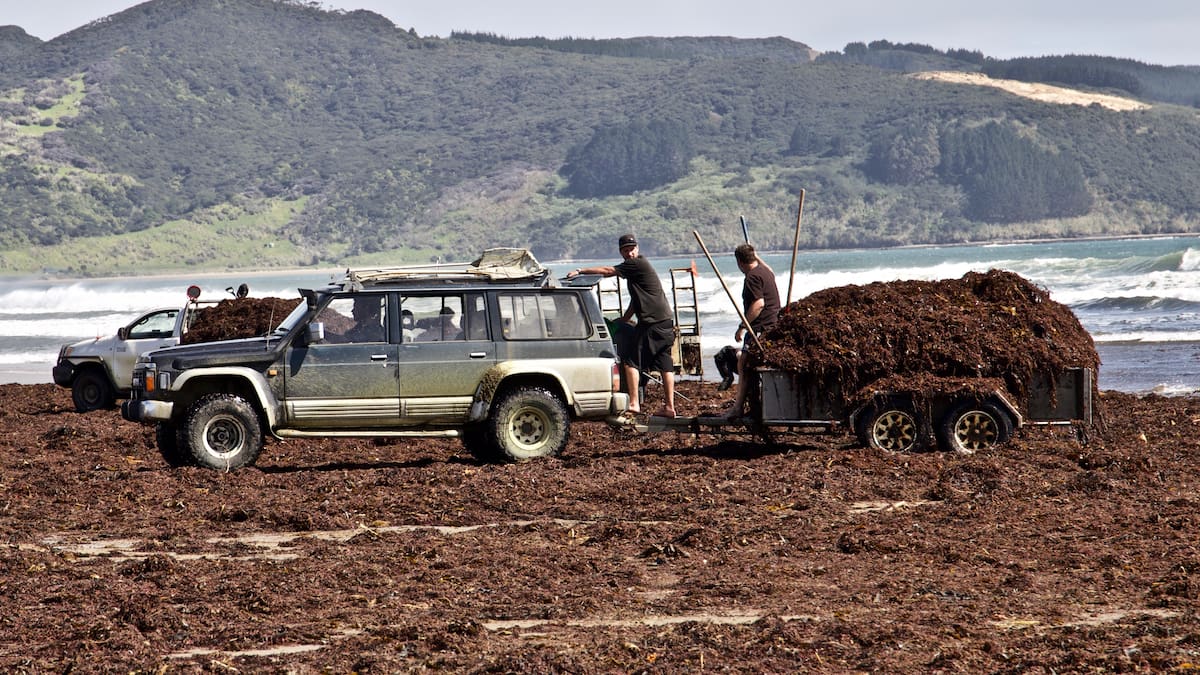
The Far North already plays a critical role in the national mussel industry. In 2024 seven million mussel spat at Ninety Mile Beach Te Oneroa-a-Tohe were harvested as part of a marine rescue mission to reverse decades-long impacts of destructive fishing practices, invasive species, climate change, and acidifying waters in the Hauraki Gulf.
The spat were placed into Kawau Bay by Ngati Manuhiri Settlement Trust, a partner in the Revive Our Gulf project.