
ndonesia’s headline inflation accelerated to 3.34 percent in June from 3.08 percent in May, driven by higher nonsubsidized fuel prices, transportation costs and several food commodities, as economists warned that supply-side pressures could keep price growth elevated through the rest of the year.
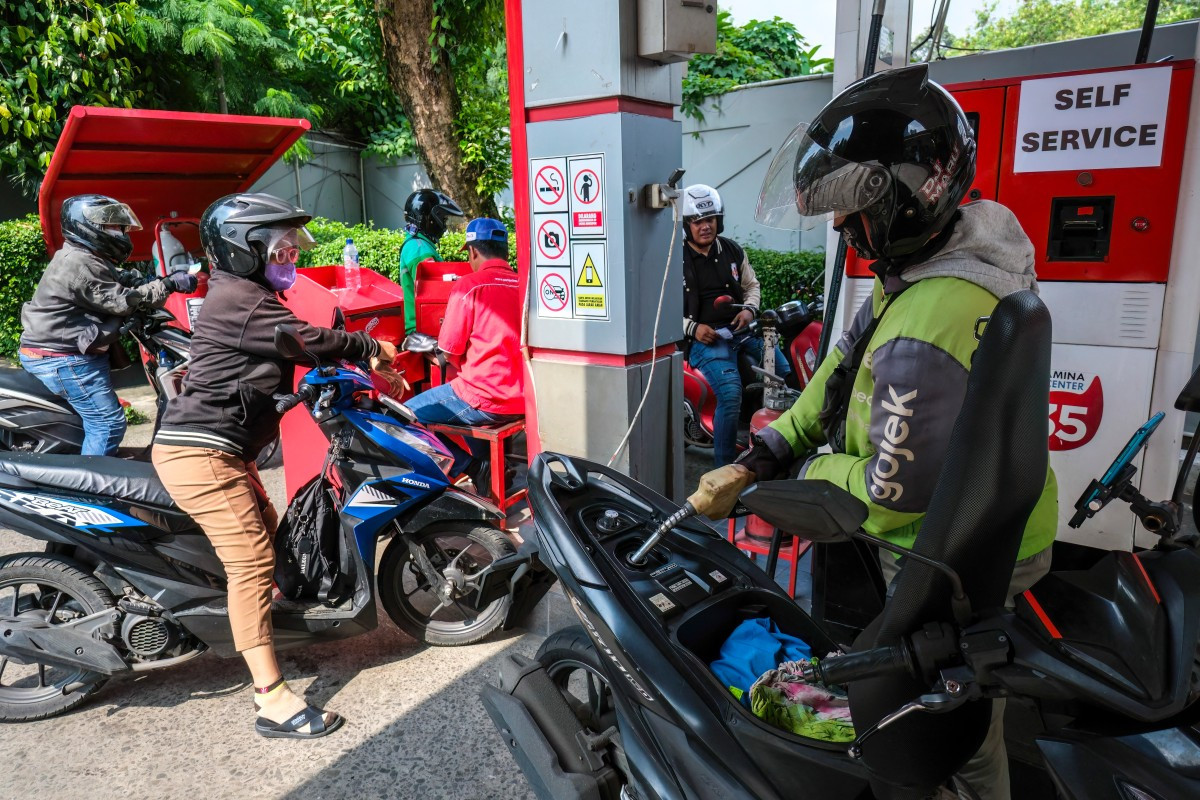
“The first factor is nonsubsidized fuel, which saw its price change twice in June. The first changes took place on June 1 and [the second on] June 10. As we know, on June 1, the price of Pertamax Turbo increased, while the prices of Dexlite and Pertamina Dex declined. Then, on June 10, the price of Pertamax increased,” Statistics Indonesia (BPS) official Ateng Hartono said on Wednesday.
As a result, the transportation group recorded the highest monthly inflation at 2.29 percent, contributing 0.28 percentage points to national inflation. On an annual basis, the group posted inflation of 4.57 percent, contributing 0.55 percentage points to headline inflation.
Ateng said gasoline was the largest contributor to transportation inflation, with a contribution of 0.21 percentage points, with airfares following with a contribution of 0.05 percentage points, while engine lubricants contributed 0.01 percentage points.
In addition to fuel prices, BPS also noted that red shallots were among the biggest contributors to monthly inflation at 0.04 percent, followed by garlic at 0.03 percent and rice at 0.02 percent. Carrots, fresh fish, cooking oil, red chilis, beef and bird’s eye chilis each contributed 0.01 percent.
Read also: Critics slam Prabowo’s praise for TNI, police role in food drive

Every Monday
With exclusive interviews and in-depth coverage of the region’s most pressing business issues, “Prospects” is the go-to source for staying ahead of the curve in Indonesia’s rapidly evolving business landscape.
for signing up our newsletter!
Please check your email for your newsletter subscription.
According to BPS, garlic prices rose because of higher logistics costs and the weakening of the rupiah against the US dollar.