
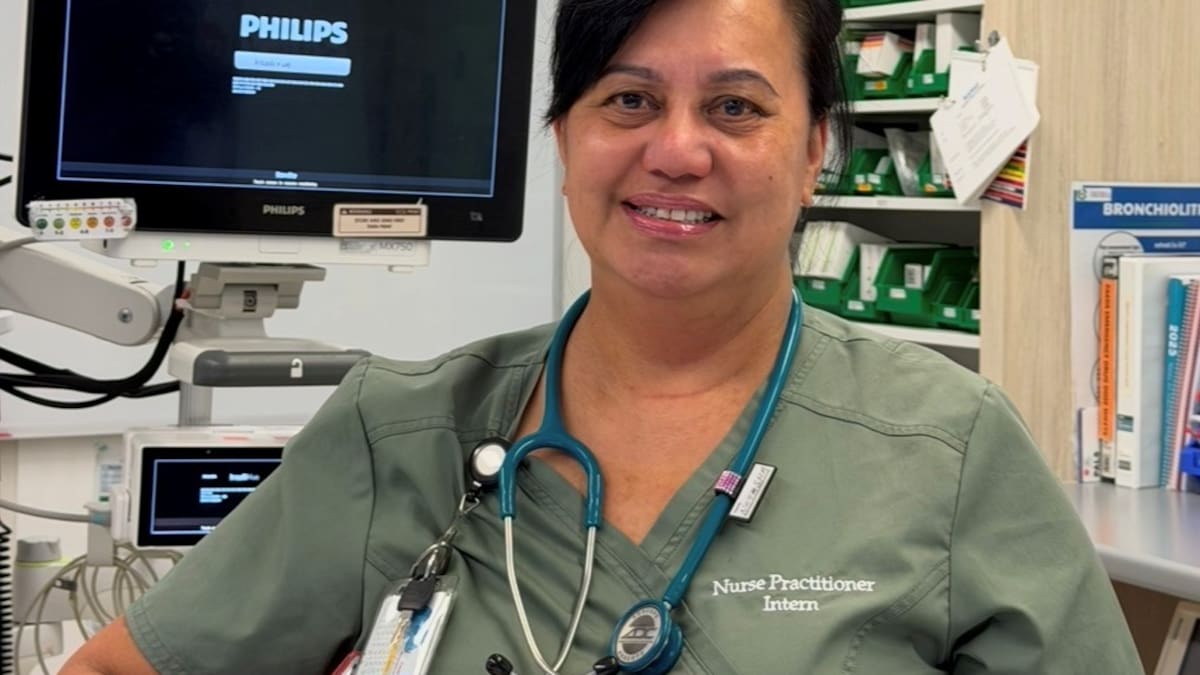
As co-chair of the College of Emergency Nurses, I represent more than 1800 New Zealand Nurses Organisation members working in the 29 emergency departments throughout the country. We hear concerns about short-staffing first-hand from our nurses, who make up almost three-quarters of New Zealand’s total 2500 ED nursing staff.
That has recently included senior nurses from the Waikato ED who have raised concerns about increased workloads which are putting patients and staff at risk. Sadly, there is nothing new about this.
What is evident is that our members are all reporting the same experiences from smaller regional departments to large urban EDs such as Waikato and Christchurch. Their concerns are the same – the workload and pressures are growing.
The surge of patients presenting to EDs in winter will only increase workload pressures and place more patients and whānau at risk. What’s most concerning is that many hospitals are already over full capacity and the peak of winter illnesses, when respiratory infections and disease are at their worst, is yet to arrive.
Despite the narrative from Health New Zealand Te Whatu Ora, nurses are already having real conversations, worried about how their EDs and colleagues will survive another onslaught of heavy workloads, delayed care for patients and delayed transfer to inpatient ward beds because there has been a lack of growth of inpatient beds.
When departments are overloaded and lack staffing and resources, such as hospital beds, this has a ricochet effect on patients waiting to be seen and those waiting to be offloaded from ambulance trolleys. This is known as ramping.
At the other end of emergency departments, bed block (where there are no beds left in the wards) means patients are stuck waiting in the ED and their cubicle cannot be used for those filling the waiting rooms.
Emergency departments are also squeezed at the other end. There is extreme demand for emergency departments because the crisis in primary care means patients can’t get into their GPs when they need to, and so their condition deteriorates. Other patients are using EDs as a default GP, adding to the pressure.
The latest stats show that shorter-stay beds have risen to 74.4% from 74.2%, a shortfall from the Government’s target of having 95% of ED patients seen within six hours. These numbers do little to reflect the real experience of elderly patients lying in corridors and young children with shortness of breath experiencing symptoms of bronchiolitis sitting in overcrowded waiting rooms.
Such negative experiences do little to support staff working long hours; they only add to the burnout rate that leads to early exits. The need for culturally safe nursing care is greater now than ever to survive in a health environment that fails to provide resourcing that matches the demand and health needs of all New Zealanders.
So, the annual gaming, where patients are moved from EDs into shorter-stay beds to try to avoid breaching health targets, continues while emergency staff go above and beyond trying to provide quality care. We are unable to provide culturally sensitive care in the often-unsafe environments we are forced to treat patients in. It is demeaning to treat patients in the overcrowded corridors that are used as default wards.
None of the nurse managers and clinical directors I talk to say they are adequately staffed; instead, they are asking for more. The more that Health Minister Simeon Brown promises is coming is a drop in the ocean of what is required to meet the health needs of our ageing population, which is becoming increasingly sicker.
What is lacking is a proper response and meaningful actions to alleviate workload pressures within EDs and across the entire hospital system, so these incidents do not happen again.
– Natasha Hemopo is the co-chair of the College of Emergency Nurses NZ, and a working emergency nurse.
Catch up on the debates that dominated the week by signing up to our Opinion newsletter – a weekly round-up of our best commentary.