
Photo: Jornal NotíciasMozambican government has announced a 50 million US dollars fund to secure the import and distribution of liquid fuels, following a crisis affecting the sector lately.
For several months, the country has been facing difficulties in fuel supply, with stations closed and widespread lines, as well as limits on the purchase of diesel or gasoline and a reduction in the supply of transport.
The government has also admitted that the fuel crisis in the country is related to shortage of foreign currency (particularly US dollars), which means that “the fuel is not making its way from the ports to the fuel pumps because the companies that own the pumps are facing treasury problems.”
Under normal circumstances, fuel distributors use bank guarantees, denominated in US dollars, to pay for the fuel they order at the ports. Some distributors are unable to acquire these guarantees from the commercial banks.
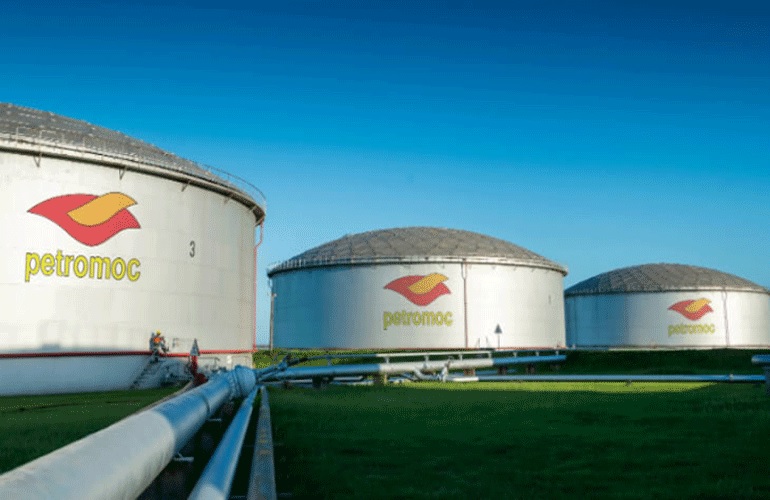
According to the government spokesperson and Minister of State Administration, Inocêncio Impissa, speaking to reporters on Tuesday after a meeting of the Council of Ministers (cabinet), the government approved a resolution establishing a payment facility mechanism for foreign creditors, to be implemented by the publicly-owned fuel company, Petromoc.
“The 50 million dollars fund will guarantee the supply of liquid fuels and ensure continuity across the country, as well as to minimize impacts on consumers and economic activity. Petromoc will have access to a bank account held by the Ministry of Finance at the Bank of Mozambique to make payments to foreign creditors”, the spokesperson said.
The country’s fuel crisis, influenced by the US-Israel aggression war against Iran and the closure of the Strait of Hormuz –which is responsible for the daily flow of almost 20 percent of the world’s oil sales – forced the government to increase last May the prices of the main liquid fuels by up to 45, 5 percent.
About 80 per cent of Mozambique’s fuel imports pass through routes connected to the Strait of Hormuz, which means that the impact of the war in the Middle East is potentially disastrous for the country’s economy.
Source: AIM