
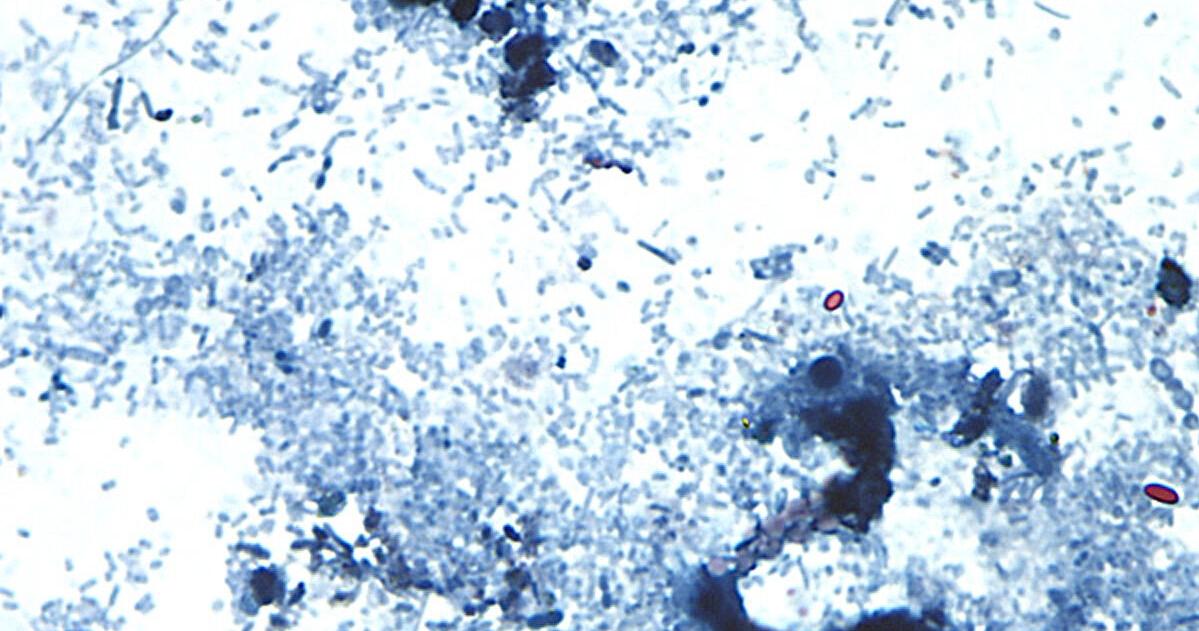
On Wednesday, the Louisiana Department of Health reported that 23 cases, including one hospitalization, are being investigated in connection to cyclosporiasis, a parasitic infection that can cause weeks of watery diarrhea.
“Because many of these cases are still under investigation, this number is preliminary and subject to change,” a representative from LDH said. “For comparison, the state has averaged 20 reported cases over the same time period during the past five years.”
Louisiana is one of 29 states investigating outbreaks of the infection. No deaths have been reported and the source of the cyclospora infections hasn’t been identified.
Cases of cyclosporiasis typically spike in the summer months, with historically active outbreaks in Louisiana between June and August. In the U.S., the cyclosporiasis season is considered May 1 through August 31, according to the Centers for Disease Control and Prevention.
Over the last 20 years, there have been between 1 to 101 cases reported annually in Louisiana, with 73 cases reported in 2023.
Nationally, there have been record-breaking spikes in both Michigan and Ohio. Although Michigan state officials first announced the outbreak last week, they were only aware of 170 cases.
On Wednesday, Michigan reported 992 cases, including 40 hospitalizations. Ohio reported over 177 cases, with 28 hospitalizations, shortly after.
What is cyclospora?
Cyclospora is a microscopic, spherical parasite that commonly causes watery diarrhea “with frequent and sometimes explosive bowel movements,” according to the CDC. The illness, called cyclosporiasis, is not usually life-threatening and is typically treated with antibiotics.
The heat-loving parasite infects the bowels and spreads through feces. In the past, people have been infected by consuming fruits or vegetables that were exposed to feces-contaminated irrigation water.
The following foods have been specifically linked to previous cyclospora outbreaks in the United States and Canada:
Bagged salad mixes and kits (pre-cut lettuce blends with romaine, iceberg, red cabbage, carrots)
Fresh cilantro (coriander leaves)
Fresh basil
Raspberries
Snow peas
Green onions (scallions)
People with diarrhea that hasn’t resolved on its own within a few days should see a health provider and discuss the possibility of cyclospora, officials say.
Investigations can take months to determine where contaminated food came from and sometimes fail to find a clear source of the parasitic infection.
The best way to prevent infection with a parasite is to avoid food or water that may have been contaminated.
Fresh produce should be thoroughly washed before being eaten. But be aware that cyclospora can really stick to some foods, so washing may not eliminate the risk of infection.
They also say to cook vegetables when possible.