
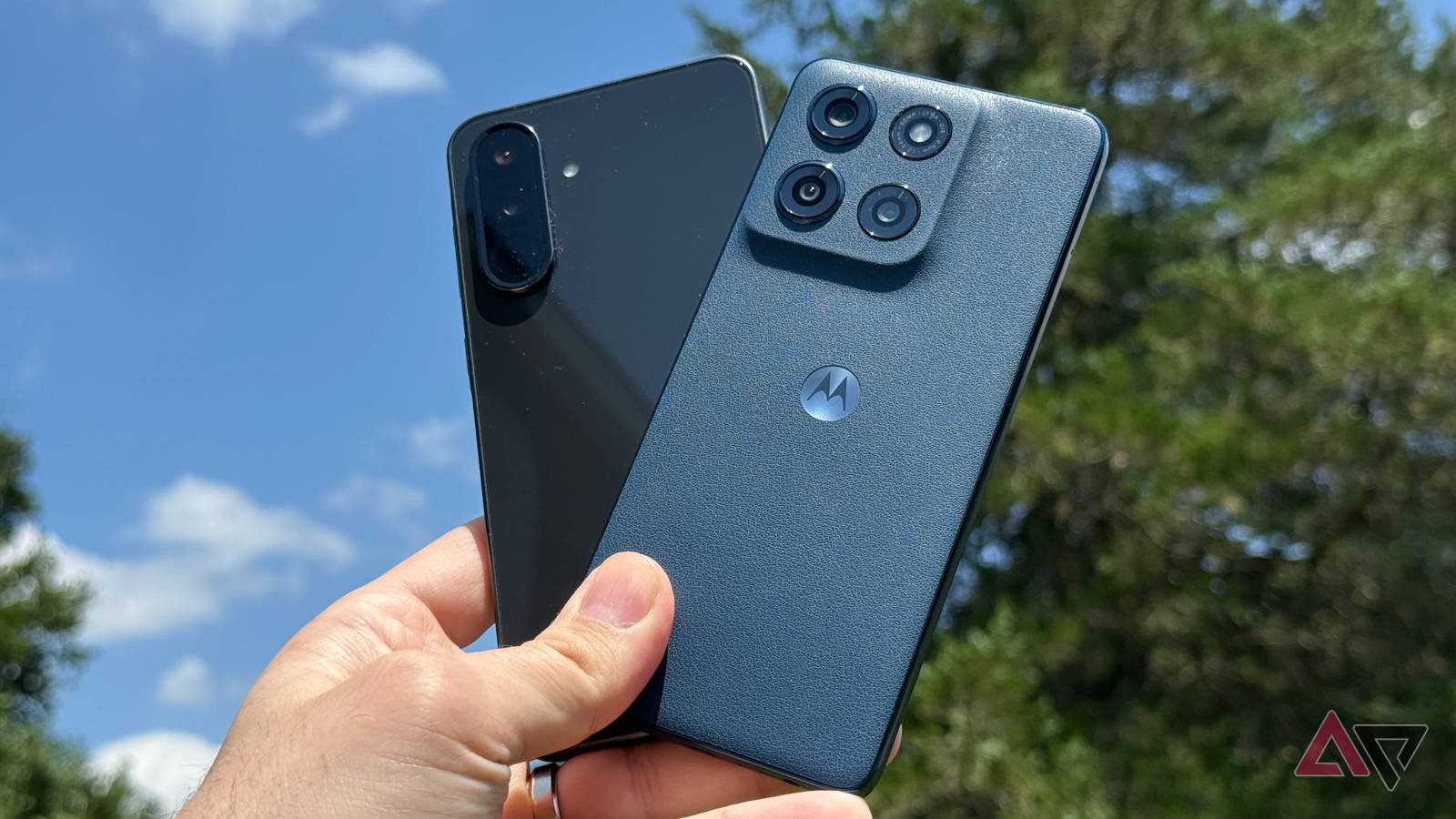
Budget and midrange smartphones will be hit the hardest by the rising costs of components, and could cause enormous problems for manufacturers, according to a new report from Omdia.
This unhappy news seems to exceed previous predictions by a considerable amount, and it raises serious questions about how budget smartphones can possibly weather this storm.
Budget smartphones are hit heavier by rising costs
Credit: Omdia
The smartphone world has been waiting for the other boot to drop from the moment it became clear the AI bubble was hyperinflating the price of common components. And now, unfortunately, the boot is crashing down hard.
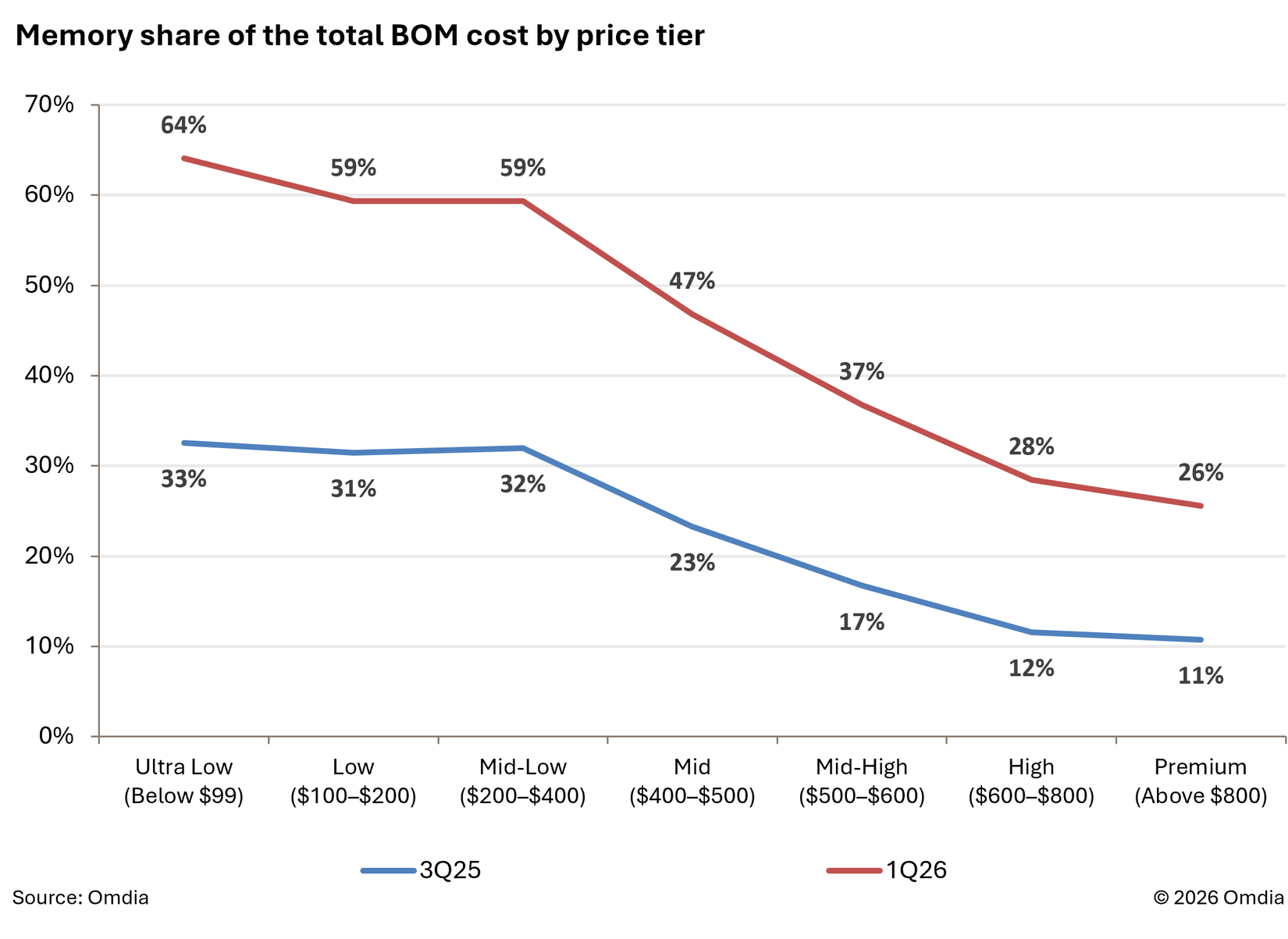
According to this report from Omdia, the combined cost of RAM and memory has risen so much that it now sits between 59% and 64% of a smartphone costing $400 or less.
For context, in the third quarter of 2025 (from July to September), equivalent components were hovering around 31% to 33% — which means prices have almost doubled in less than a year.
It’s also important to note that those prices were
, which means we’re now seeing an increase on top of an increase. In short, it’s
for phone manufacturers
.
However, Omdia still expects sales of phones costing more than $400 more to increase.
That is not the case for phones on the cheaper end of the market, as the $400-and-under crew are more heavily impacted by these more expensive parts.
In more expensive flagship phones, RAM and storage costs equate for a much smaller slice of the pie, so increases in cost can be accounted for a lot easier.
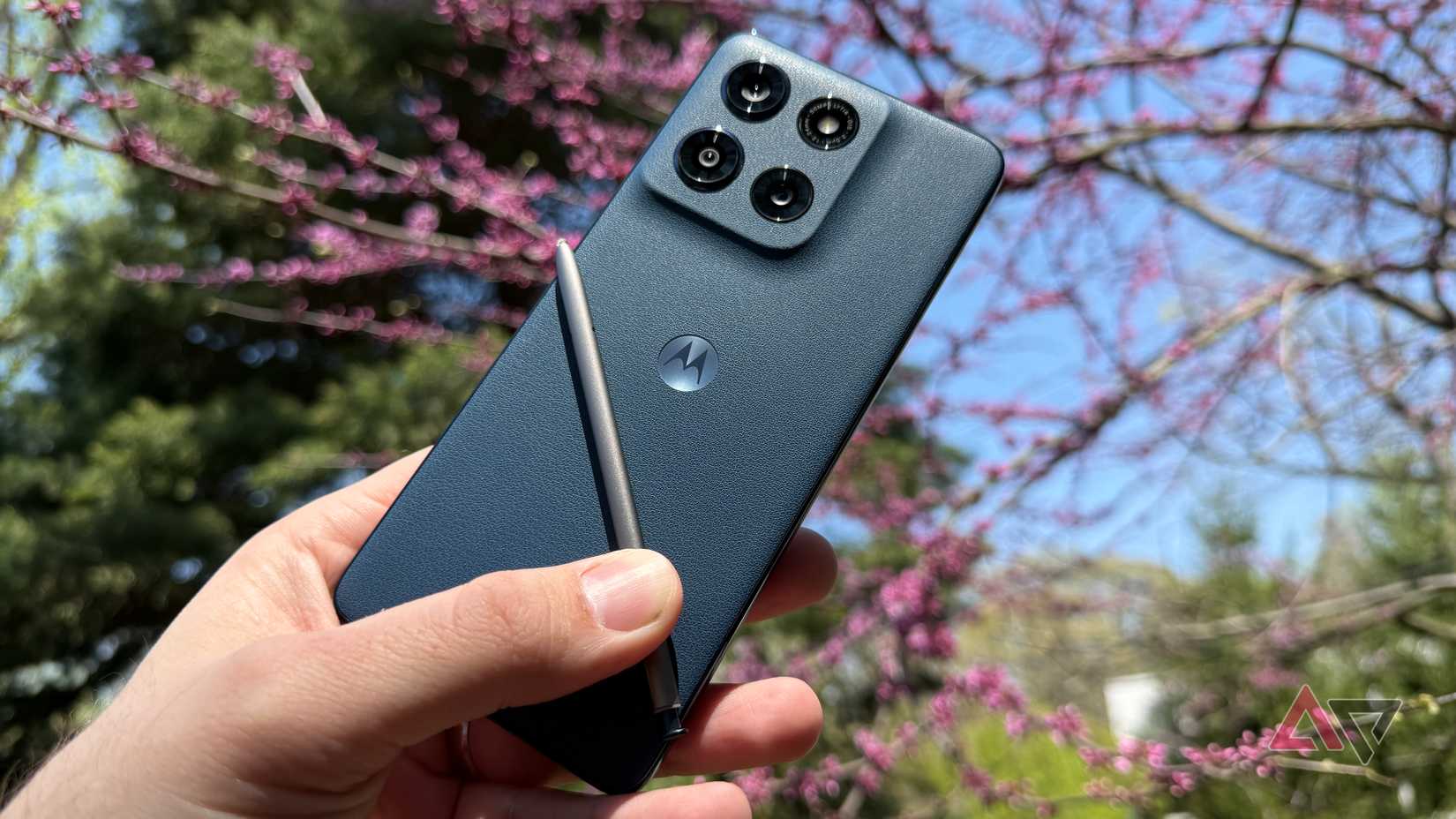
Most manufacturers of budget phones are already operating on razor-thin margins, so the impact of more expensive components is catastrophic. Omdia expects that the market for sub-$400 phones will decline by 22%.
That’s a big chunk of business, and it’s going to be hard for many companies to continue on if they lose that sort of amount. The worst part is there’s currently no good way out of this mess.
We’re seeing a lot of rising prices across the smartphone market, and increases in component cost is a big part of the reason why. But how well can that work for a budget phone? Consumers are often happier to pay more for a flagship, as getting the tip-top phone is always going to cost more.
But for budget phones, saving money is always the goal, so raised prices are likely to put off a lot of potential customers.
The alternative is to pare back device specs, keeping an old processor and the same general specs in order to save as much as possible. Ironically, many manufacturers may be tempted to use AI to justify customers buying the new phone — which is a bit like renting a flat from the guy who burned down your house.
Regardless of how companies choose to handle it, this situation is going to lead to either worse phones, more expensive phones, or a blend of both (like
).
If your phone is running well,
. This year does not seem like the year you’ll want to upgrade. But on the plus side,
.