
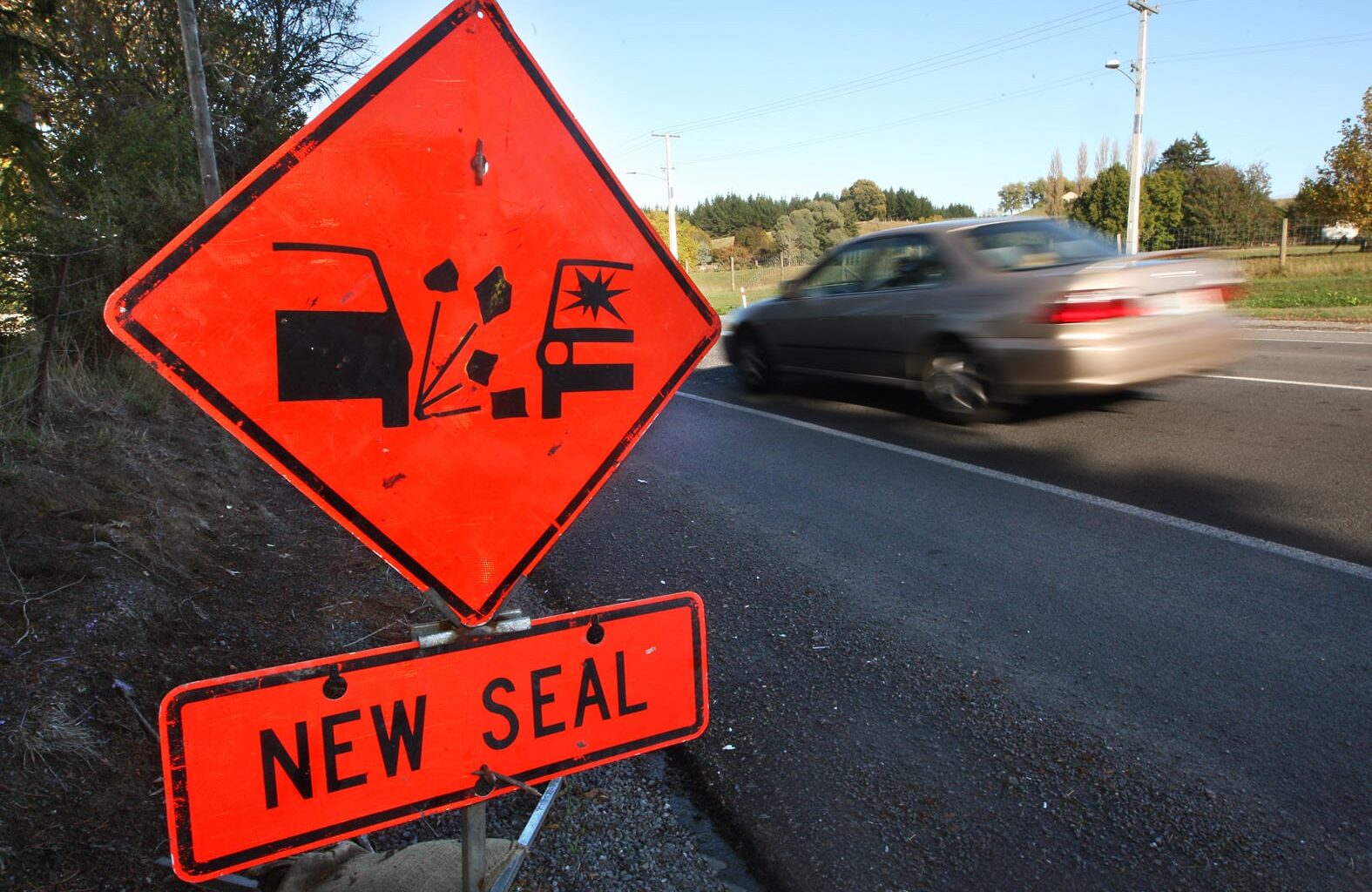
Tauranga City Council is rolling-out its annual road resurfacing programme.
The programme runs from late-September through to the end of March (later for asphalt if warmer temperatures allow).
This season will see around 20,000 tonnes of asphalt used to resurface 7.8km of roads at 79 different locations, as well as chip seal applied to 20km of roads across 103 sites. This includes surfacing trials.
About 24,500 square metres of pre-seal repairs will also be carried out.
Tauranga City Council spends about $9 million a year resurfacing 25-30km (4-5%) of our 630km of local roading network.
This was partly funded by NZ Transport Agency Waka Kotahi (NZTA).
Mayor Mahé Drysdale said meeting NZTA requirements to ensure part-funding (51%) for the resurfacing programme is essential in providing ratepayers with value for money.
“In most cases, this means using chip seal rather than asphalt, because asphalt is about five times more expensive than chip seal,” Drysdale said.
“Some people aren’t keen on chip seal, especially if their road has had an asphalt surface since their subdivision was developed, but the alternative of funding 100% of a surface that costs five times as much doesn’t deliver value for money for ratepayers.
“Like-for-like asphalt replacement typically would not meet NZTA’s requirements, meaning that ratepayers would have to bear the full cost of resealing and unfortunately, given the number of roads involved across the city, that would simply not be affordable.”
Chip seal involved spraying hot bitumen on the existing road surface, with stone sealing chips added and rolled to bed the chips into the bitumen.
Loose chips can be expected after it’s been swept and may it need extra sweeps until it settles.
Asphalt was typically replaced with asphalt on main arterial (high volume of traffic) roads or in areas with a high volume of heavy vehicle turns.
Roading contract manager Garry Oakes said Tauranga City Council was also trialling some new surfacing treatments that look like asphalt but were less costly.
“We’re monitoring the life and performance of these new products over time and in different roading environments in the hope that we will be able to use the star performers more widely in the future,” Oakes said.
He said people often ask why roads were being resurfaced when it doesn’t look like they need any repairs.
“It’s all about prevention – protecting the foundations of our roads and preventing potholes. The seal on a road is like paint on your house – it keeps water out of the structure underneath. Like paint, the seal breaks down over time and starts to let water in.
“When the surface of a road starts to break down, it’s time to resurface. The ideal time to resurface is just before any easily visible damage occurs.”
Tauranga City Council worked with external contractors to reseal the roads.
The contractors engage directly with affected residents and businesses, which usually involves a letterbox drop about a week ahead of the works to let people know what to expect, what to do to help the contractors get in and out quickly, and who to contact with any questions or concerns.
A QR code on the letter provides more information about the surfacing technique.
“This gives us a chance to consider any feedback and make changes if necessary. For example, if you have an event planned on the day we intend to seal, we might be able to change plans at our end,” Oakes said.
“We know people don’t check their letterboxes as often these days, so our contractors will also be putting up temporary signage in neighbourhoods to remind residents to look out for updates about upcoming road works in their area.”
Electronic messaging boards on the side of the road are also used to inform drivers of upcoming works and people can sign up to the council’s weekly e newsletter Weekly Bulletin to see where works are located from week to week to help plan their journeys: www.tauranga.govt.nz/weeklybulletin.
For more information about the resurfacing programme, visit www.tauranga.govt.nz/road-resurfacing.