
New Zealand will play a pre-recorded video at a United Nations workshop on the impacts bottom fishing has on seamounts, in what critics say is an attempt to avoid hard questions.
While a few other pre-recorded videos are on the agenda, New Zealand is one of only a handful of nations still trawling seamounts, and environmental groups say the decision will limit crucial discussion ahead of a United Nations General Assembly on the topic later this year.
Asked about this, Fisheries Minister Shane Jones says he isn’t interested in the country participating in such forums and taking international direction on its fisheries policies.
He reckons New Zealand needs to be able to chart its own course.
“The issue has been raised with me by the Ministry for Primary Industries, and my view is that there are a range of far more pressing issues pertaining to fishing and marine wellbeing than enduring a lot of stuffy presentations from scientists, because our marine environment is actually in very good nick.”
He adds: “I was totally disinterested in sending anyone to any more of these talk fests.”
Whether the marine environment is in good nick is very much up for debate.
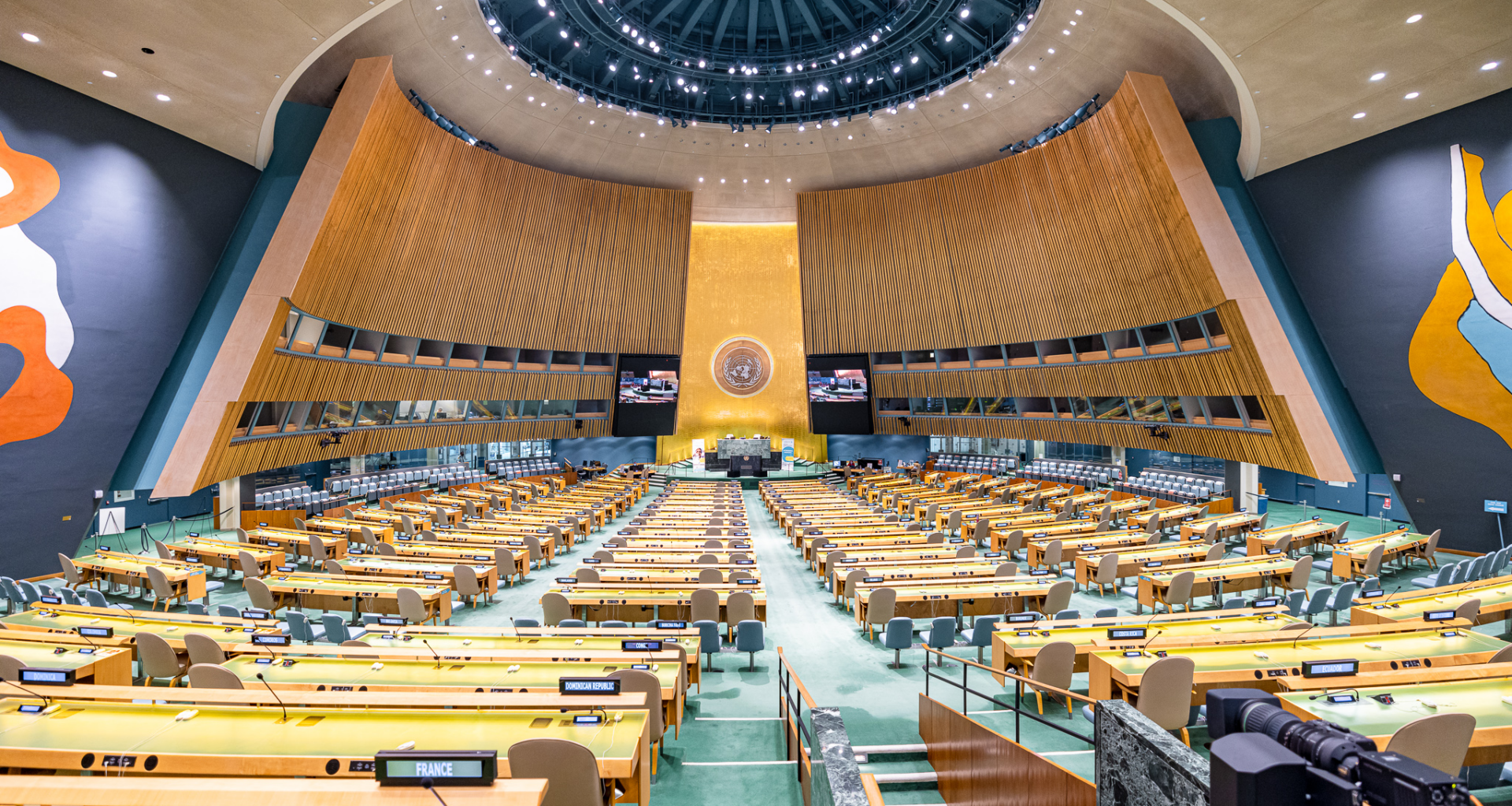
The two-day workshop, beginning Monday, is being held at the United Nation’s New York headquarters and will inform a United Nations General Assembly that marks 20 years since it adopted a resolution calling on countries to “take immediate action to sustainably manage fish stocks and protect vulnerable marine ecosystems including seamounts”.
The meeting will function as a review of what actions have been taken in those two decades.
No Ministry for Primary Industries representatives will be present, though an official from the New Zealand Permanent Mission in New York will attend.
When New Zealand appeared at the workshop’s 2022 equivalent, it presented a slideshow on its reflections on the opportunities and challenges in addressing the impacts of bottom fisheries on vulnerable marine ecosystems, taking questions afterwards.
Deep Sea Conservation Coalition’s Karli Thomas says the Government’s approach is “all talk and no listen” and sidesteps any scrutiny.
The coalition is attending the workshop, and says it is a chance for countries and scientists to discuss issues, which then flows into the report that will be taken to the United Nations General Assembly later in the year.
“It’s a missed opportunity when there isn’t so much chance for discussion from a pre-recorded video presentation.”
ECO co-chair Barry Weeber says the decision is “amazingly disappointing” and treats the United Nations process with disrespect.
He says New Zealand has played a strong role in oceans and fisheries resolutions in the past and has even chaired such processes. “Given we try to claim that we’ve got our head above the water, as it were, in regard to fisheries management, it seems a bit odd that New Zealand wouldn’t be represented at the meeting if we’ve got something to defend.
“Instead New Zealand realises that it’s in a bad position and hasn’t got a position that it can defend on the global stage.”
Fisheries NZ deputy director-general Dan Bolger says alongside the pre-recorded video, the country submitted a comprehensive report to the UN as members of the South Pacific Regional Fisheries Management Organisation and the Commission for the Conservation of Antarctic Marine Living Resources.
“This workshop will feed into the review of the bottom fishing provisions of the United Nations General Assembly resolution on sustainable fisheries in November. The Ministry for Primary Industries will also be involved in that process.”
Since his appointment as Fisheries Minister in 2023, Jones has shot down attempts to limit bottom trawling on seamounts in the South Pacific.
Correspondence obtained through the Official Information Act shows he wrote to Conservation Minister Tama Potaka ahead of a meeting of the Convention on the Conservation of Migratory Species of Wild Animals earlier this year, telling Potaka his preference would be for New Zealand to oppose a resolution calling for increased seamount protection.
Jones says he doesn’t support such international intervention on how the fishing industry conducts business, believing locally derived solutions should overrule those created at “global vanity puff fests”.
He says such solutions include a recent change he made relating to orange roughy fishing on the East and South Chatham Rise, which will close the fishery’s northwest spawning area during the peak spawning period between early June and mid-July.
Orange roughy congregate when spawning, meaning it is easy to net them en masse at these times.
This decision followed earlier catch limit reductions and would ensure the sustainability of the fishery, he says.
“I think a Green-Labour government would probably be more receptive to overseas influences. I just recoil from the notion that overseas jurisdictions should impose their luxury beliefs on New Zealand.
“I don’t think these United Nations indulgences should be imposed upon us whilst the architects of such beliefs are insulated from the costs, which are born locally.”
He acknowledges more research could be done, such as investing in underwater cameras and machinery to collect better evidence around the effects of bottom trawling on the seafloor and how seamounts could still be harvested without damaging the ecosystem “to the extent that is happening in any way”.