
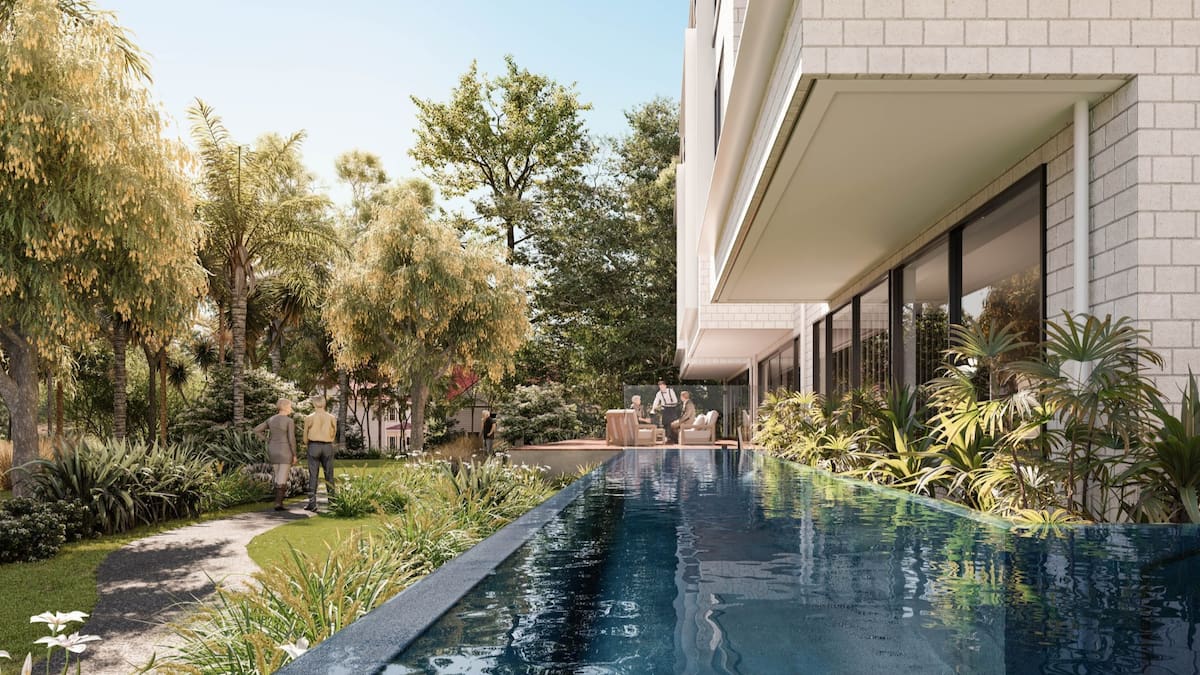
STC, founded in 2012 by former executive director John Jackson, advertised itself as a dependable investment where capital raised from shareholders would be advanced to retirement home developers and operators to generate consistent returns of 7.5%.
While these returns had been consistently delivered until this quarter, the company’s accounts for the year to March 2025 show regulators had recently become concerned about the origin of payments to investors.
The accounts said the FMA has been investigating STC since the end of 2024.
In May 2025 the company suspended new loans and investments – after raising $10m from new investors that year – as its board elected to clear the table.
“The directors have considered and reviewed the company’s business model and determined an orderly wind down of STC with progressive repayments of investor capital will provide the best outcome for the shareholders,” the accounts said.
In June 2025 the FMA required STC to issue a communication to shareholders saying the regulator was concerned dividend payments made in the 2023 and 2024 financial years may have been made out of capital.
The dividends “considerably exceeded the interest payments that STC received that were attributable to the borrowers’ operating activities (i.e. from trading revenue rather than from additional borrowing)”, the communication said.
The communication said STC had been “accepting new investor money, loaning that money to borrowers, and receiving those funds back as interest payments” and also relied on borrowing from related-parties linked to Jackson to make dividend payments.
Jackson resigned from the STC board in October. He is still involved with other Senior Trust entities.
STC reported a $1.3m profit for 2025 but removing $10.3m gained from new share sales would have resulted in negative cashflow of $2.3m. During the period $4.4m was paid out to shareholding investors as dividends.
The accounts show STC’s $67m loan book is heavily concentrated, with 96% accounted for by just two Ōrewa retirement villages: Ōrewa Sands and The Grove. STC has second- or third-ranked security in the developments behind related parties.
Half of the company’s interest income is flagged as being from related parties.
The 2025 accounts record a $5.5m loan for a townhouse development at Lake Wānaka which was fully impaired in 2024.
Maturity analysis shows STC is expecting to recover two-thirds of its loan book in the next five years, but the final third may take up to a decade to work out and for investors to see the final return of their capital.
The structure of investments in STC, through the issues of shares for which there is only a shallow and illiquid market, poses challenges for investors seeking redemption.
STC’s 2023 product disclosure statement – since withdrawn – warned: “Senior Trust Capital does not intend to quote these shares on a licensed market in New Zealand and there is no other established market for trading them. This means that you may not be able to sell your shares. You also cannot require us to buy back (“redeem”) your shares”.
The FMA said its investigation was ongoing.
A request for comment to STC, and former executive director Jackson, were not responded to by publication.
Neill said she wanted answers. “I’d like to know where Jackson lives in Auckland, so I can get a bloody truckload of manure delivered to him,” she said.
Stay ahead with the latest market moves, corporate updates, and economic insights by subscribing to our Business newsletter – your essential weekly round-up of all the business news you need.