
“I think probably the key thing is how long is this going to last for?”
Smith said Brent crude was around US$83 ($143.6) a barrel, well down from the US$110-$120 seen in April.
But he said recent developments in the Middle East were an “unwelcome distraction” for consumers, households and firms looking to put the crisis behind them.
“We had expected [petrol prices] to go into the low $2.70s per litre. If anything, this has put a floor behind it and we’re probably looking at $2.90 now,” Smith said.
“Again, it’s going to depend on how long this lasts for.”
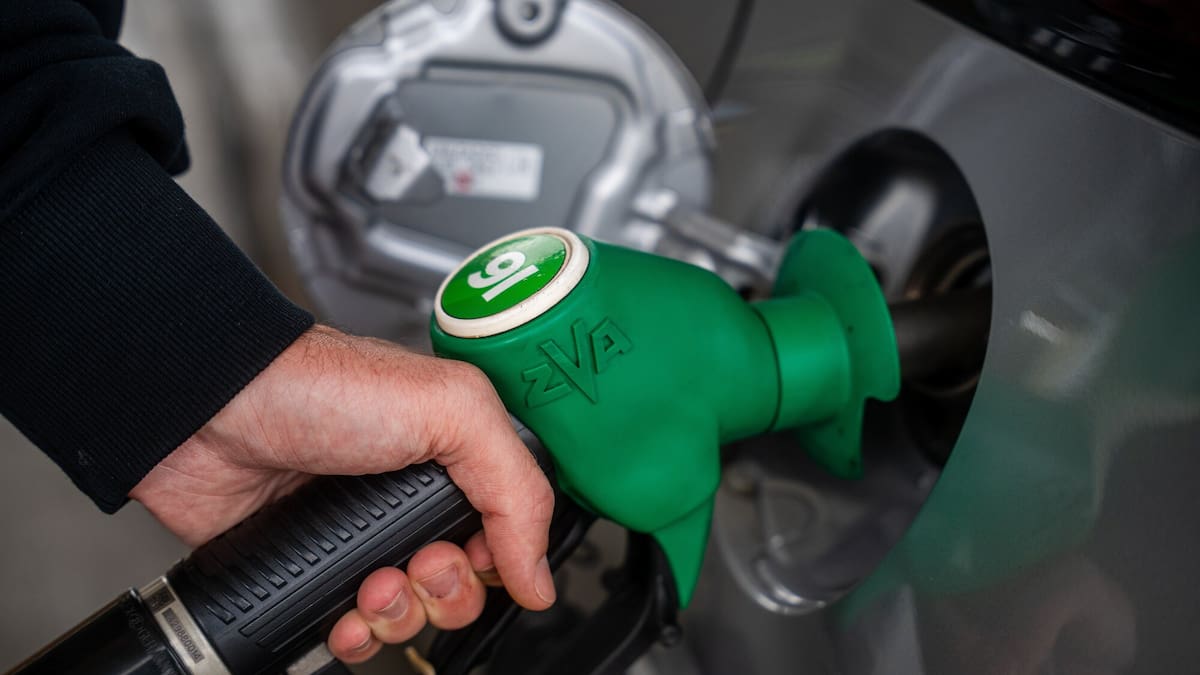
According to fuel tracking app Gaspy, the price of 91 octane on average is $2.93 a litre, up more than 17% compared with early March’s $2.49.
However, petrol has fallen from around $3.48 in mid-April.
Smith said given where inflation is, there was a risk that if it remains high, the Reserve Bank (RBNZ) will have to respond.
“The key thing for this is the persistence of the shock. That’s what really matters. From a Reserve Bank point of view, that’s what they’re worried about,” he said.
“They put out some interim forecasts for CPI [consumers price index] inflation, so they had 3.9% in Q2 and 3.3% for Q3.
“There’s clear upside risk to their 3.3% CPI pick for Q3 and obviously the longer this stuff goes on the harder it will be to get inflation below 3%.”
Kiwibank economists said the ongoing instability in the Middle East has driven sharp swings in oil prices.
“These fluctuations continue to weigh on global sentiment and introduce volatility into the NZ dollar,” they said.
“The last few months have left us battered. As the escalations and de-escalations continue, the price of oil follows, and our heads spin.”
Last week the RBNZ lifted the Official Cash Rate (OCR) from 2.25% to 2.5%.
It indicated we should expect the OCR to rise further as the Reserve Bank begins the process of returning the rate to neutral – around 3% – from the current stimulatory settings.