
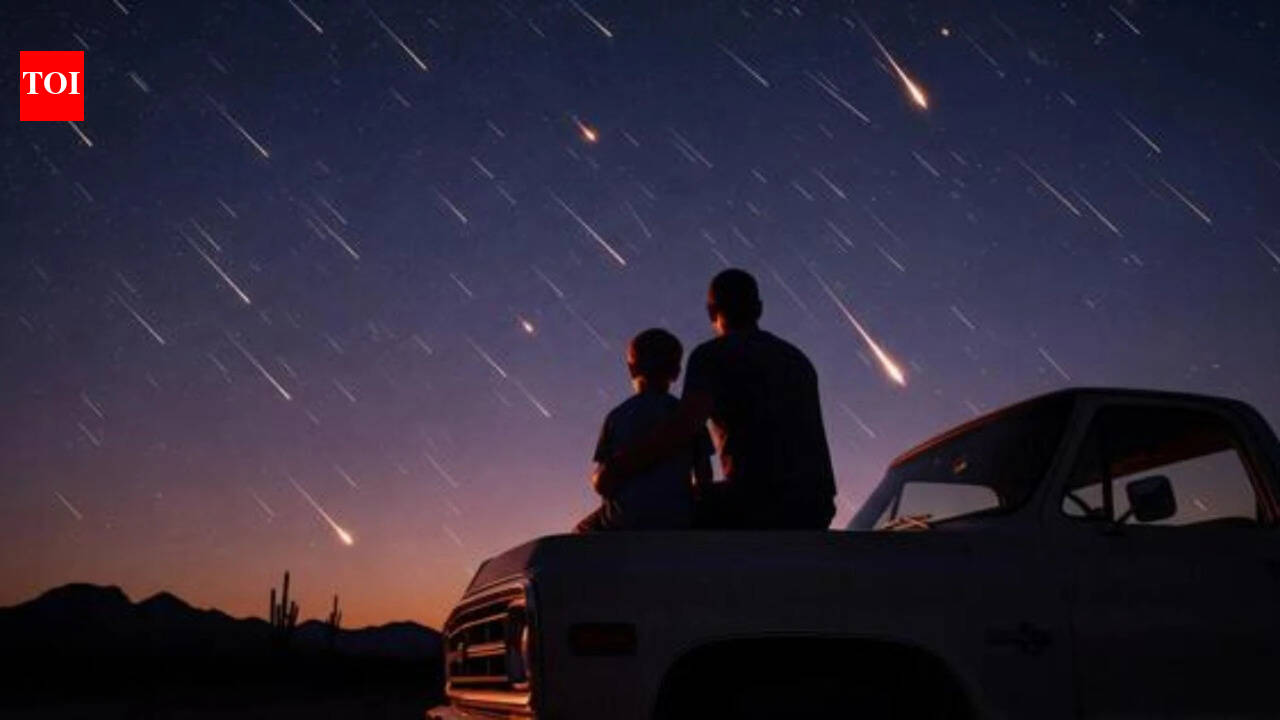
 Get ready for one of the best sky shows of the year. The Perseid meteor shower is back, and if you’re lucky, you’ll catch a few shooting stars under a Moon glowing faintly with “Earthshine.” For the unversed, astronomers call it the Da Vinci Glow. To be honest, the view this week might be even better than usual!
So, what’s happening?
Earth is just starting to cross the trail of dust and rocks left by Comet 109P/Swift-Tuttle. The Perseid meteor shower won’t reach its wildest peak until mid-August, but the early Perseids will start showing up now, and you don’t need a telescope or any fancy gear. Really, all you need is a clear night and a spot far from city lights.
What is the Perseid meteor shower?
The Perseids happen like clockwork every year when our planet plows through leftover bits from Comet Swift-Tuttle, which takes a long, lazy 133 years to circle the Sun. Most of the particles are just motes of dust, but when they slam into Earth’s atmosphere at 59 km per second, which is 37 miles per second, they burn up in bright flashes we call meteors, or what we call “shooting stars.”They’re called “the Perseids” because they seem to spray from the constellation Perseus. But the show isn’t limited to one patch of sky; these things can blaze across almost anywhere overhead.You might see “fireballs,” too, especially bright meteors that stick around for a second or two after they zip past. If you’re under really dark skies at peak time, you could see 50-100 meteors every single hour. That makes the Perseids one of the richest annual meteor showers visible from the Northern Hemisphere. No wonder people call the Perseids the best meteor shower in the North!
Why is this Perseid meteor shower special?
Even though the shower’s just getting started, this year’s display has something extra: the Moon is a super thin crescent and glows gently with Earthshine. No full Moon glare to wash things out this time — just the faint da Vinci Glow, making the sky darker and the meteors easier to spot. If you’re really lucky, you’ll also see the Milky Way: a streak of silver running above. It’s a killer night for stargazers and anyone with a camera.
When and where can you watch it?
The Perseids run from July 17 to August 24, peaking on the night of August 12-13. This year, the peak lands right with the new Moon, so the sky’s as dark as it gets. Right now, you’ll only spot a handful of Perseids, but the early ones are usually bright and worth the lost sleep.As for the best place to watch the fireballs from, anywhere in the Northern Hemisphere — think North America, Europe, Asia, India. Your backyard works if you can ditch the city glow, but a field or park away from buildings and streetlights is unbeatable. So basically, the less light, the more meteors for you.
The best time to catch the shooting stars?
What’s the best thing about witnessing the Perseids? You can easily skip the binoculars and telescopes! Meteors can show up anywhere, so make sure to use your eyes and scan as much sky as you can. Set your alarm for after midnight; that’s when Earth is spinning into the oncoming debris.Once you’re out there, put away your phone so your eyes can adjust to the darkness (give them at least 20 minutes), then lie back and relax. A lounge chair or a blanket makes it way better. Don’t fixate on Perseus, as some of the best shooting stars cross from way outside the “radiant.”
The brownie points that come along
While you focus on the Perseids, don’t forget the rest of the cosmos. Because there are more than meteors out there. The faint Moon makes it easier to see the Milky Way and some cool summer constellations: Cygnus, Lyra, and Aquila make the famous Summer Triangle, which will be overhead. Folks who are into photography, this combo of shooting stars, Earthshine, and the Milky Way is a rare treat.