
The decision follows an extensive process to identify a buyer or alternative arrangement that would allow the mill to continue operating in a financially sustainable way.
“Over recent months, we explored a range of options, including a sale process and other potential business arrangements. Despite those efforts, we were unable to identify a viable pathway forward.”
Before the decision was made, the company undertook a formal consultation process with employees and union representatives.
“We recognise the significance of this announcement for our employees, their whānau and the wider Northland community. Many people have dedicated years of service to Northland Mill, and we acknowledge the impact this decision will have.”
The company’s focus is now to support affected employees through the next stage of the process, including redeployment opportunities across JNL, access to services including financial advice, wellbeing support and employment training opportunities.
Tsuchiya said the company remains open to conversations with potential buyers and continues to explore opportunities relating to the land and assets.
“This decision relates only to the Northland Mill, which produces veneer. The Triboard and Strandboard produced at Triboard Mill and J-frame, J-ply and solid wood produced at Wairarapa Mill are not impacted by this announcement.”
The mill employs around 60 people, while 140 are employed at the Triboard Mill, which Tsuchiya said was still under a process for a buyer.
“The process to explore a potential sale of Triboard as a going concern remains ongoing.”
Coverdale said workers were feeling a mix of anger, disappointment and exhaustion following months of uncertainty about the mill’s future.
“You had people saying, ‘why are you stringing this out?’ One guy said, ‘I want to volunteer to be made redundant right now’ and the company said he would have to wait and work through the process.
“There’s just fatigue there from consultation periods and people are well aware that it was always going to lead to a closure of the mill. So they feel like it’s the process is too lengthy.”
He said the company would have individual consultations with employees before redundancy letters are handed out.
“They [the company] have said they won’t stand in the way of anybody who has a job offer. There are redeployment options for next door, but we’re talking three to five jobs. So, the members feel if they get a job offer, they want to be able to take it.”
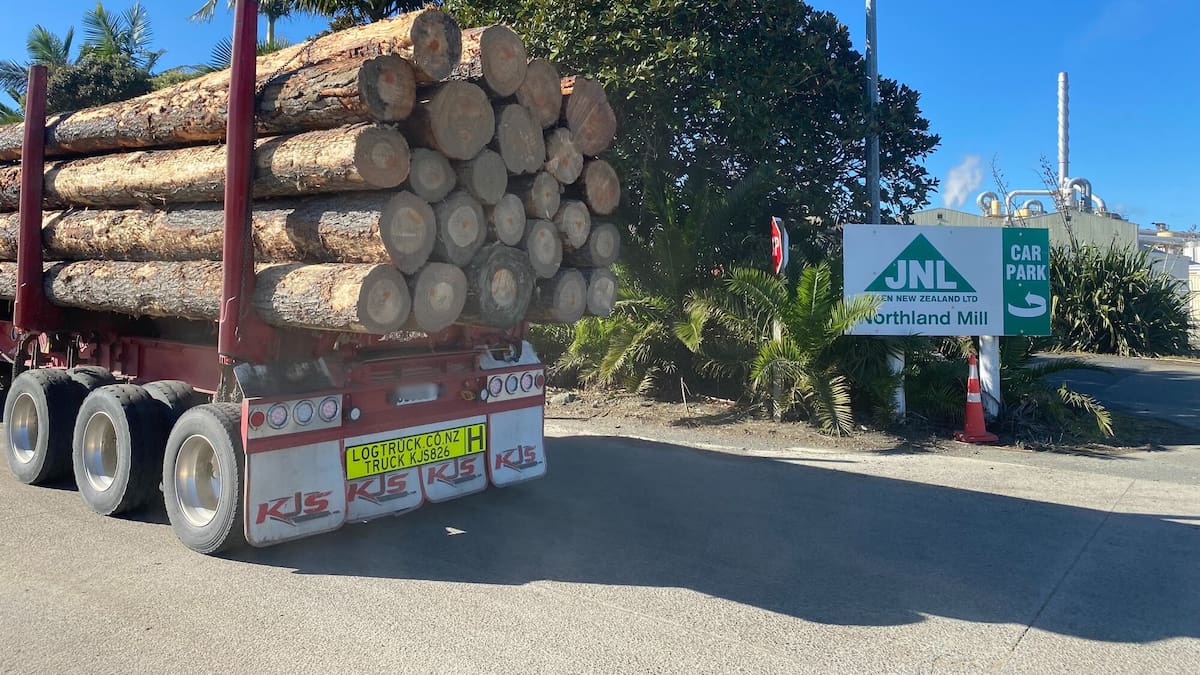
Japanese owned Juken New Zealand began consulting earlier this year on the future of its Far North mills. Photo / Yolisa Tswanya
He said that following the meeting at the mill things were still looking positive for the Triboard operation.
“There’s still positives in terms of a few interested parties who have put offers forward and they still have to work through a few things to get to the due diligence stage. It’s obviously a lengthy process buying a sawmill and it’s quite expensive.
“So, they’ve put offers forward, but the company has yet to sort of progress through to the next stage for the due diligence.”
Workers are now working through the news with their families, he said, and it was a tough time for them.
“There’s a father, a son and a partner from the same family that are all going to be affected by the closure of this mill. There are cousins, brothers, uncles and nieces and nephews, a whole range of family members that work there.
“It’s a sad day for the town. It’s not just the loss of those jobs, it’s all the contractors. People won’t be able to spend money at the local pubs and the local businesses. So, it’s a sad day for Kaitāia.”
Yolisa Tswanya is Deputy News Director at The Northland Age. An experienced journalist and newsroom leader, she holds a bachelor’s degree in journalism and reports on a broad range of issues across the Far North and Northland, with particular interest in health, education and community affairs.