
He was sentenced for operating an aircraft in a careless manner and two charges of operating an aircraft in a manner that caused unnecessary danger.
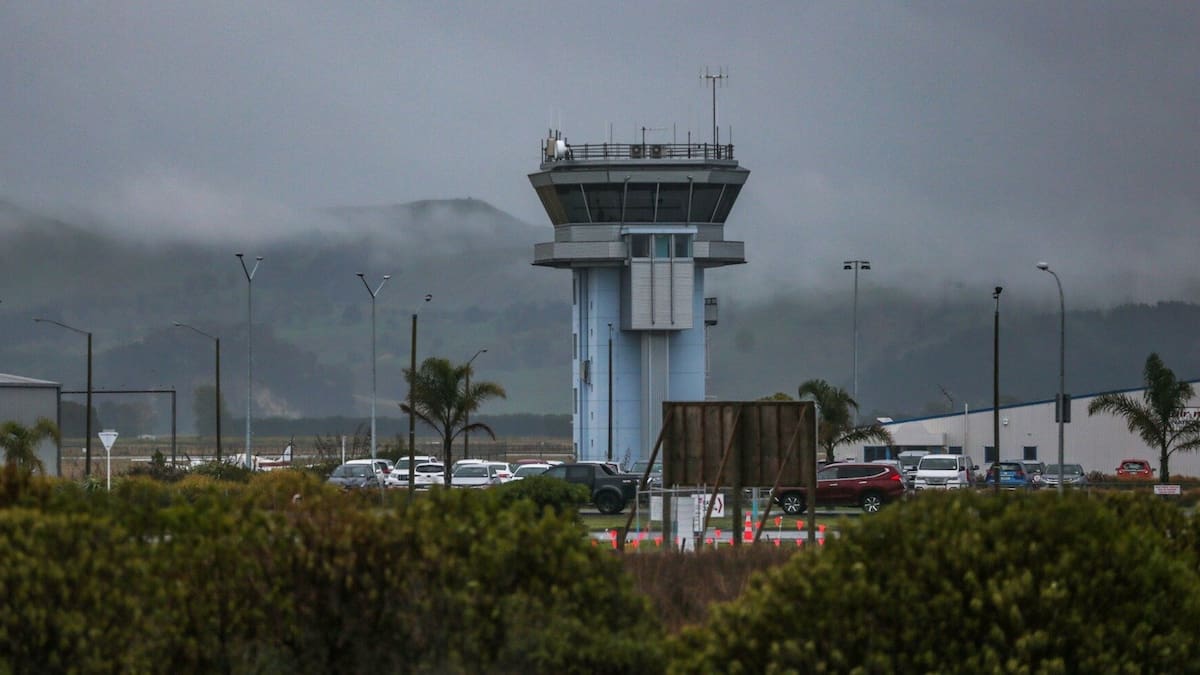
He was convicted and discharged for operating an unmanned aircraft in controlled airspace without prior authorisation from the Napier air traffic control, where the operation was not a shielded operation.
Gayle Holmes, Civil Aviation Authority (CAA) deputy chief executive of regulatory enablement and response, said the case highlighted the risks unsafe drone use can create in an increasingly busy and shared airspace environment.
“It reinforces why drone rules exist and why every drone operator has a responsibility to understand the rules and operate safely.”
This was not a case involving recreational drone use in a park or another low-risk environment.
The offending involved repeated flights in airspace used by passenger aircraft, training aircraft, medical flights and other aviation operators.
Holmes said the aviation system relied on people to understand and follow the rules that keep everyone safe.
“Controlled airspace is carefully managed to protect aircraft, passengers and people on the ground, and unauthorised drone activity in these areas creates real risk.”
Holmes said a collision between a drone and an aircraft had the potential to cause “catastrophic harm”.
She said drone operators, whether flying recreationally or commercially, should familiarise themselves with the rules before every flight.