
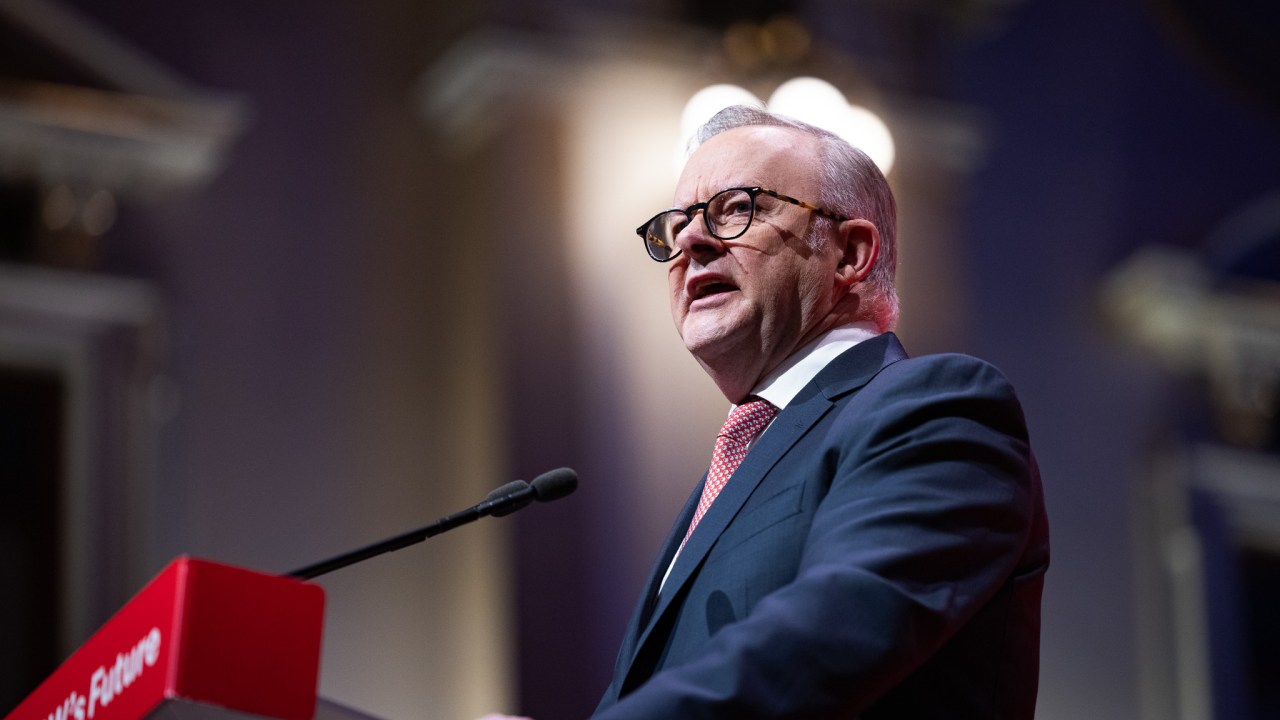
The boss of one of Australia’s largest banks has told Prime Minister Anthony Albanese not to direct superannuation funds where to invest.
The Prime Minister praised the superannuation sector for boosting the nation’s growth at the AFR’s superannuation lending roundtable on Tuesday.
“There is a real potential to see these funds as a national asset that can be used more appropriately and get better returns as well, not just for individuals and for retirees, but for the nation,” Mr Albanese said.
This triggered a rebuke from Westpac chief executive Anthony Miller who urged Labor to allow super funds to entirely manage their own investments within the confines of suitable government oversight.
“One thing I would call out is: don’t touch the super complex, don’t direct it, don’t tell it where to go,” Mr Miller told the AFR roundtable.
“Focus on the member obligations we have and, therefore, focus on the portfolio we must construct for them as they move from (the accumulation) phase to the next phase (retirement).”
Former Victorian premier Daniel Andrews called on the super sector to use government investment vehicles such as the Clean Energy Finance Corporation or the National Reconstruction Fund.
“(Investment in) productivity challenges like housing, infrastructure, energy transition, water, or dare I say, pandemic preparedness – that’s a wholly efficient and good repurposing of a portion of that national savings pool,” Mr Andrews said.
Labor has come under fire for attempting to influence super funds to invest in projects suited to the Albanese government’s agenda, including green energy and housing.
In 2024, Treasurer Jim Chalmers made changes to the $230 billion Future Fund to direct money into renewable energy, housing and infrastructure.
It sparked backlash from a wide variety of figures, including Mr Costello who was the treasurer when the fund was established, who said it was “never set up to be a political slush fund”.
David Murray, the Future Fund’s inaugural chairman, said the government’s shift veered away from the original intention and “undoes all the work” which had been put into it since its inception.
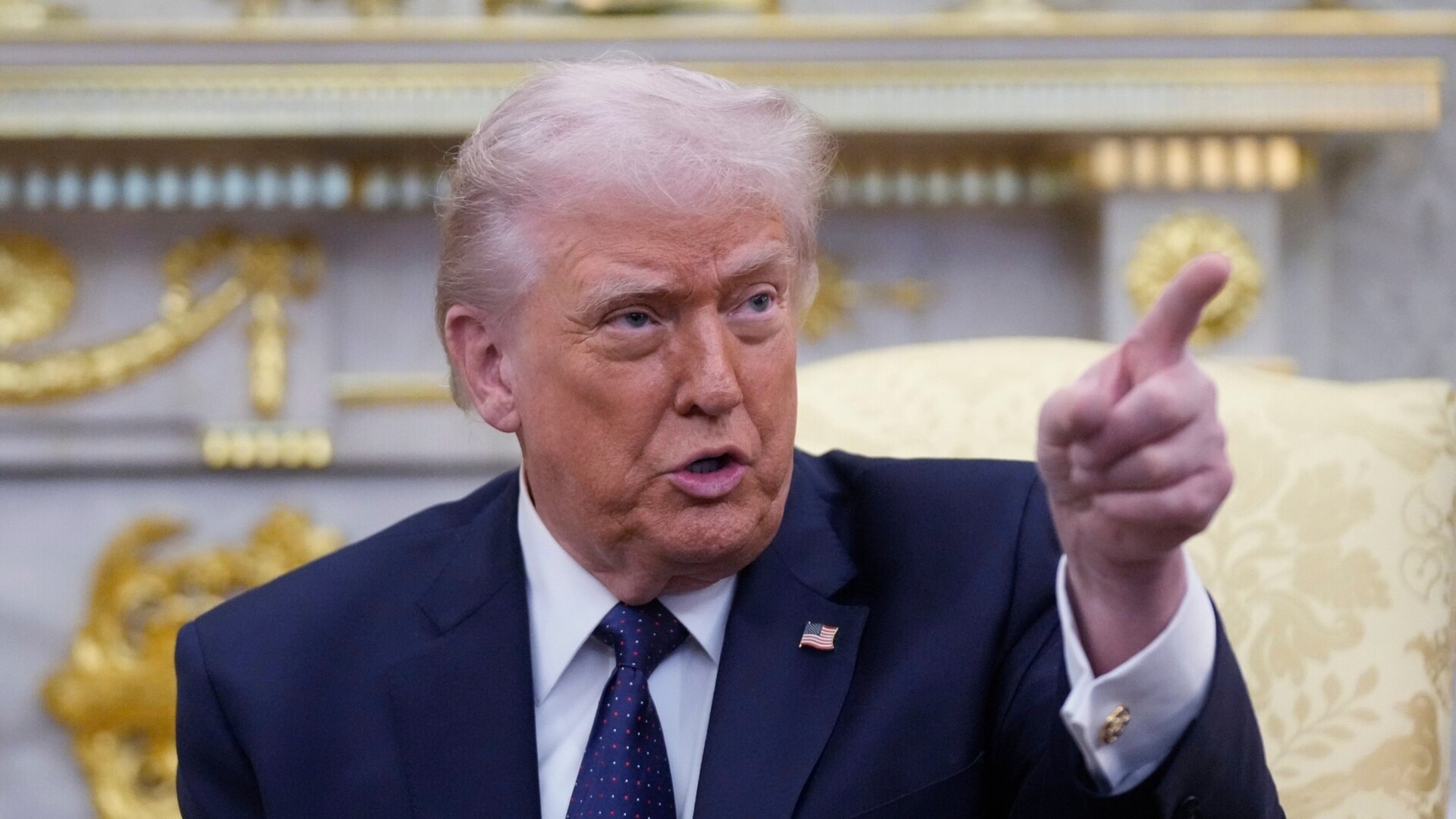
“It was never the subject of politicisation of its investments,” Mr Murray told Sky News in 2024.
Mr Chalmers also altered the objective of super “to preserve savings to deliver income for a dignified retirement, alongside government support, in an equitable and sustainable way”.
AustralianSuper boss Paul Schroder last year said government intervention into super was an “utter disaster”.
Meanwhile, Mr Schroder said there was “nothing worse than the prospect of government intervening in investment decision-making”.
“In the Australian system, individual members carry the investment risk. You can’t then impose decisions about investments on them,” Mr Schroder told Business Weekend in March 2025.
Backlash to the government attempts at influencing the sector’s investment direction comes as almost half of the nation do not trust the government to change super policy in their best interest.
Research from trading platform eToro, conducted in 2025, showed 49 per cent of Australians lack trust in the government on super policy.
Older Australians were more likely to lack faith than younger generations.
Robert Francis, the managing director of eToro Australia, said older Australians were put off by the government “tinkering” with superannuation.
“Whether it be tax changes, eligibility changes (or) some other retrospective changes that have occurred,” Mr Francis told SkyNews.com.au in August.
“Then, of course, you’ve had comments from Treasurer Chalmers who have suggested that maybe performance benchmarks should be looked at because superannuation funds aren’t investing in infrastructure projects because (they’re) illiquid assets.”