
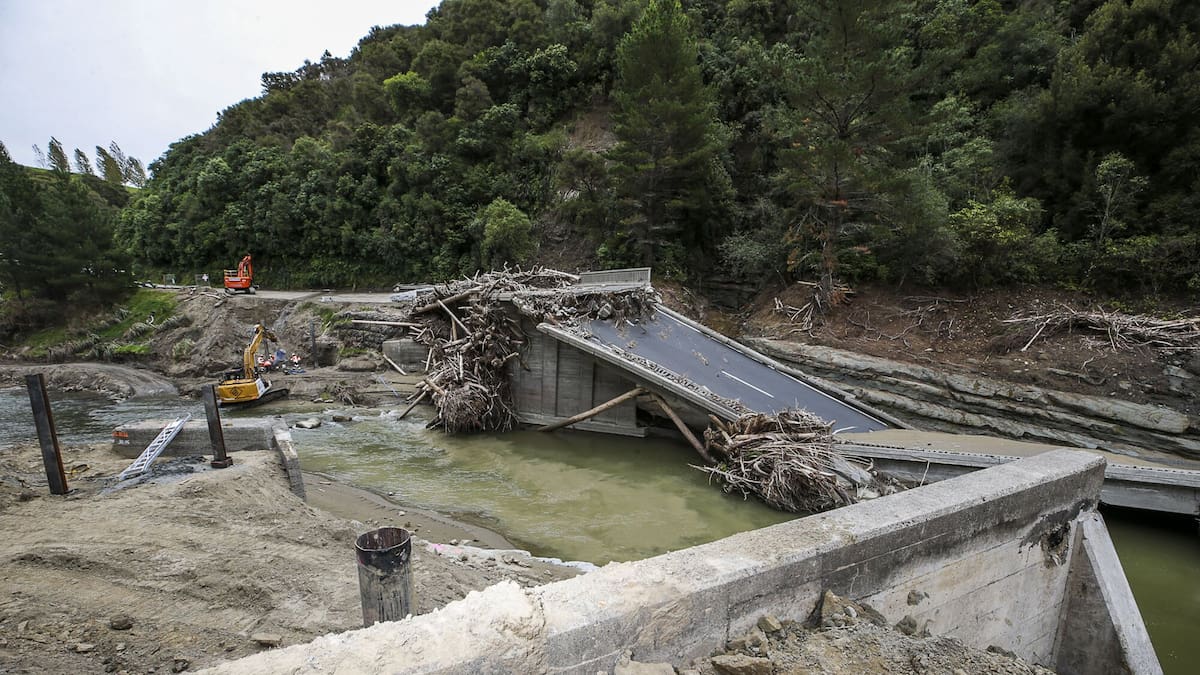
Consultants noted that investing in risk reduction, in the long run, was far more cost-effective than paying for damage repairs after a disaster has happened.
Despite this, the paper said natural hazard spending in the past 15 years had been “disproportionately concentrated on the reactive domains of response and recovery” rather than in risk reduction, prevention and readiness.
Nema said the report would help to inform the agency’s strategic projects around risk and resilience “that will save lives and damage to infrastructure, buildings and communities”.
“It also provides a tool for appraising and prioritising any other long-term public sector investments that are targeted at enhancing system-level resilience to natural hazards and other risks, as well as broader national infrastructure investments,” the agency said.
Budget 2026 included funding to Nema to deliver modern technology systems, including a single, shared picture of information and data on hazard and evacuation maps, population and infrastructure.
The Government also confirmed an upgrade to the National Warning System, which Emergency Management Minister Mark Mitchell said would lead to “timely, accessible alerts for the public”.
“New Zealand faces some of the greatest natural hazard risks of any country in the world and this investment in modern technology is a key step in improving our resilience to those hazards,” Mitchell said when the Budget investment was announced.
Azaria Howell is a multimedia reporter working from Parliament’s press gallery. She joined NZME in 2022 and became a Newstalk ZB political reporter in late 2024, with a keen interest in public service agency reform and government spending.