
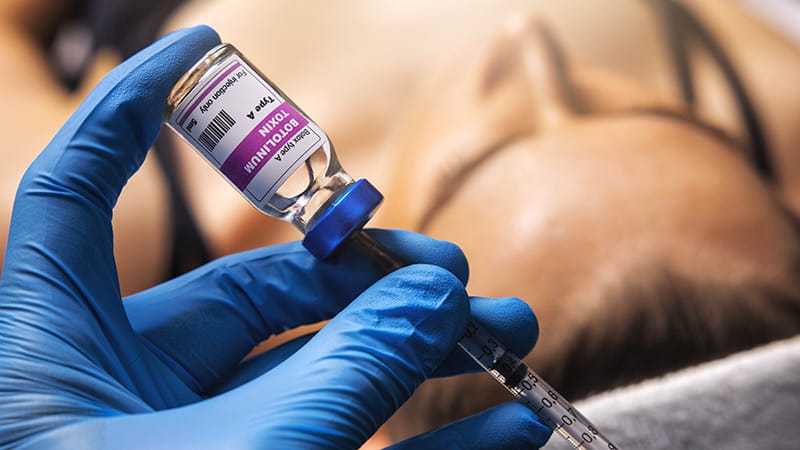
The Medicines and Healthcare products Regulatory Agency (MHRA) has issued an updated safety warning for all botulinum toxin type A products, following new reports of cases of botulism linked to their use.
The agency said that cases were rare, but patients should be advised to seek immediate medical attention if they experience symptoms after treatment. These may include difficulty swallowing, slurred speech, breathing difficulties, weak facial muscles, drooping eyelids, and blurred or double vision. Symptom onset may be within days or delayed up to 4 weeks after botulinum toxin treatment.
According to the NHS, if not treated quickly, botulism can lead to paralysis, which spreads down from the head to the rest of the body and can affect respiratory muscles. Patients who suspect they are affected within 4 weeks of a botulinum toxin injection are advised to dial 999 and should not attempt to drive themselves to A&E.
Most people make a full recovery, but some require respiratory support. The recovery period can take many months and the disease is fatal in 5%-10% of cases, according to the UK Health Security Agency (UKHSA).
Medical Emergency
Dr Alison Cave, MHRA chief safety officer, said healthcare professionals and patients should be aware of the symptoms of botulism and act quickly. Doctors should be ready to provide appropriate treatments, which can include giving antitoxin.
Botulinum toxin products are prescription-only medicines that are widely used and effective in both medical treatments, for conditions such as muscle spasms, hyperhidrosis, and overactive bladder, and in cosmetic procedures. In very rare cases, the toxin’s effect may spread beyond the injection site, causing botulism.
The risk of adverse reactions to botulinum toxin may be increased in certain patients, including those with underlying conditions such as neurological disorders or a history of dysphagia or aspiration. The risk is also increased with higher doses and when products are used outside their licensed indications or at an unapproved injection site.
Unlicensed Products
The UKHSA issued a similar warning over the cosmetic use of botulinum toxin (often known by the trade name ‘Botox‘) in July 2025, urging the public to be aware of the signs and symptoms of botulism. This followed reports of adverse reactions to cosmetic procedures involving botulinum toxin and a spike in hospital admissions.
Between 4 June and 6 August last year, there were 41 clinically confirmed cases of iatrogenic botulism reported in five regions of England. The UKHSA linked that outbreak to use of an unlicensed product, and subsequently the MHRA’s Criminal Enforcement Unit launched a number of criminal investigations into the supply of unlicensed botulinum toxin products.
The MHRA’s latest alert warned about the dangers of unlicensed and counterfeit botulinum toxin products. “We also strongly urge the public to avoid unlicensed products and seek treatment only from appropriately qualified practitioners,” Cave said.
The agency said that products obtained outside regulated supply chains “do not meet UK safety and quality standards and can significantly increase the risk of serious side effects”. The agency also said that anyone considering treatment should ensure their practitioner is appropriately qualified, and confirm that the product being used is authorised for UK use.
The MHRA said it had worked with manufacturers to update product information, including patient leaflets, so that the risk of iatrogenic botulism is more clearly highlighted. It urged the public to report suspected side effects through the MHRA’s Yellow Card scheme.
Dr Sheena Meredith is an established medical writer, editor, and consultant in healthcare communications, with extensive experience writing for medical professionals and the general public. She is qualified in medicine and in law and medical ethics.