
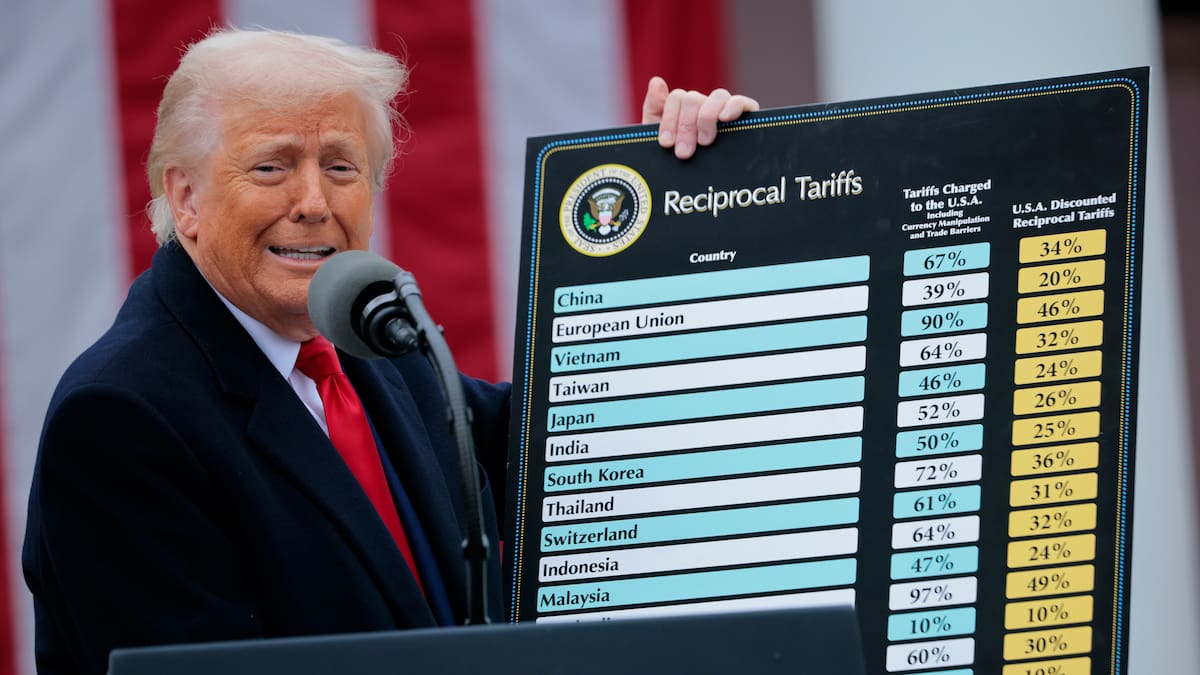
“Instead, it’s because New Zealand does not have yet a bilateral trade deal with the United States, so it by default goes into the 12.5% category.”
The imposition of tariffs under section 301 was expected after the US Supreme Court ruled in March that tariffs imposed under the International Emergency Economic Powers Act exceeded executive authority and must be reversed.
Elms said the results of the US decision on 301 tariffs were expected to be announced last week, but will certainly be announced imminently.
“It could be this week. It actually could be on Friday / on Friday night, because the Trump administration likes to drop particularly bad news late on a Friday in Washington.”
Elms said the tariff would apply to everything New Zealand exports to the US, though that might change.
“I assume there will be some furious negotiations. Maybe there have already been some exceptions that have been carved out, but there will be a lot of discussions about whether or not this blanket tariff level should remain a blanket tariff level, or whether there should be exceptions for products the United States doesn’t make in sufficient quantities or strategically important goods or whatever it happens to be.”
However, she said New Zealand might come out of this ahead of some of its major trading partners.
“There’s another big case coming, which fortunately New Zealand is not in the firing line for, but it’s another 301 case against 16 trading partners for the United States, including the European Union, the Japanese, the Australians, who have high trade deficits,” Elms said.
“I think is going to be quite surprising for many and very upsetting to many US trading partners from China and the European Union, Japan, etc. They will all be hit with additional tariffs that could be beneficial to New Zealand … which means that your tariffs could be lower than many of your competitors for similarly priced goods going into the United States.”