
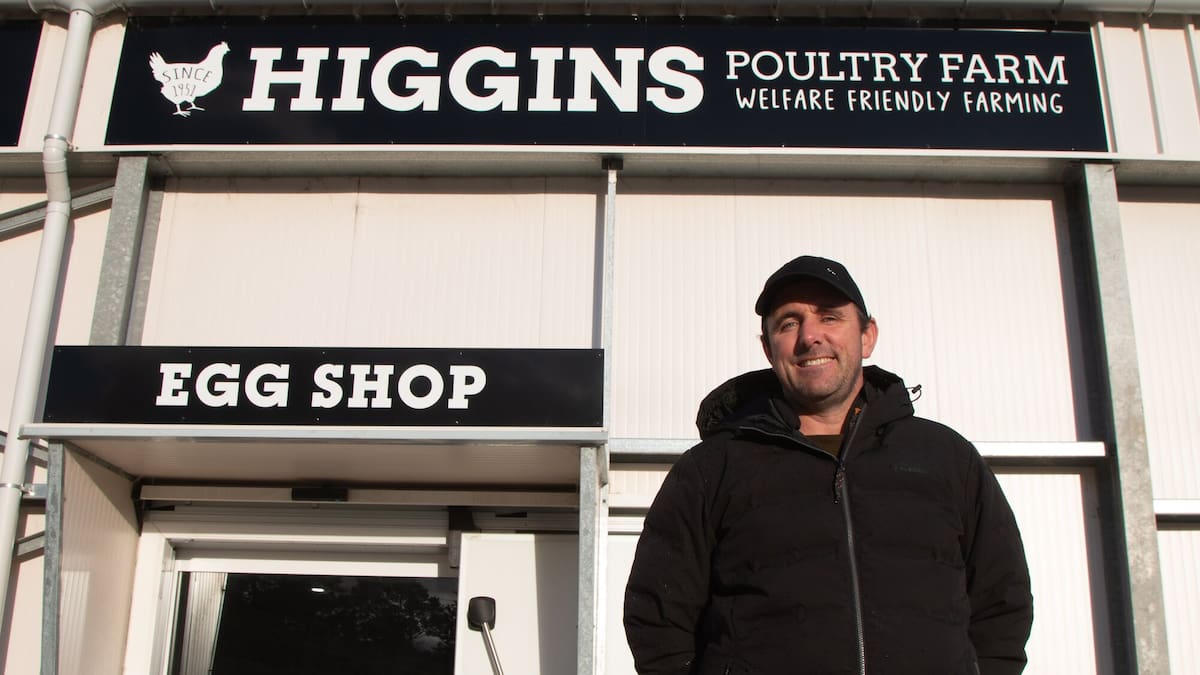
“Worst-case scenario would be having to dispose of all birds, deep-cleaning the entire farm and repopulating.”
For his busy poultry farm, which supplies about 60,000 dozen eggs to supermarkets a week and has about 1000 weekly visitors to its on-site shop, the effects could be devastating, he said.
“It would be catastrophic. Financially, it would really hurt.”
Monetary support for farms combating an outbreak was close to non-existent, he said.
“There’s limited compensation from the Government and no insurance company would touch it, so it’s all on individual farmers to try and keep it out.”
Higgins Poultry Farm operates strict biosecurity, with disinfecting stations for trucks and workers before entering the bird sheds. Photo / Erin Smith
His farm had been preparing for the virus’ potential arrival for the past couple of years.
“We’ve upped our biosecurity, training staff on procedures around entering sheds, finding sick birds, and just to be prepared.”
The farm has automatic truck sanitisers and disinfecting stations for workers and has fenced off its shop, customer, truck loading and poultry areas with automatic gates to minimise contact.
“Other countries are dealing with [the H5N1 strain] and learning to live with it. It’s just a matter of everyone getting their heads around it and everyone being vigilant.”
Whanganui’s Bushy Park predator-free sanctuary, managed by the Bushy Park Trust in collaboration with Forest & Bird, has also been preparing.
Bushy Park (Tarapuruhi) sanctuary manager Rosi Merz said she had hoped the H5N1 strain would never reach New Zealand.
Sanctuary manager Rosi Merz said it was ready to respond.
She planned to set up a sanitising station at the park’s entrance for visitors to disinfect gear and boots before entering the park.
The virus can be carried on outdoor gear and shoes.
Coastal birds are currently the greatest concern for spreading the virus.
Merz said she advised against people coming to the reserve after recently being at the beach or while wearing unsanitised shoes after visiting a coastal area.
Public awareness of the threat was vital to protecting the reserve.
“[Sick birds] look unwell, so they might be coughing, they might be panting, they might be sneezing. They might be lethargic and trembling, or just being unco-ordinated in some unusual way.
“It’s terrible news. I was really hoping that this wouldn’t happen, but it now has happened, so we need to respond accordingly.”
Bird Rescue Taranaki manager and founder Leonie Kirwan said people with pet birds should consider bringing them inside, covering the tops of outdoor aviaries to protect against contaminated droppings, keeping cages clean and practising good personal hygiene.
MPI said people and pets should stay away from any sick or dead wildlife, and people should wash their hands and gear after being outside.
MPI encourages anyone who sees three or more sick or dead animals to report the sighting to the exotic pest and disease hotline at 0800 809 966.
Erin Smith is a multimedia journalist based in Whanganui.