
AA Northland District Council chairwoman Tracey Rissetto urged the Government to keep the 100km highway connecting Auckland and Whangārei front of mind.
“Everyone understands there are financing constraints, but we don’t want it to disappear off the list altogether.
“We want progress to continue on getting those routes designed and ready to go when the funding becomes available.”
NZTA’s projects pipeline, announced by Transport Minister Chris Bishop on July 9, set out phasing for major public transport projects, Roads of National Significance, and Roads of Regional Significance.
It states the first section – Warkworth to Te Hana – is in the final stages of procurement and on track to start construction before the end of the year.
The 26km road will likely be tolled and is expected to be finished by 2034.
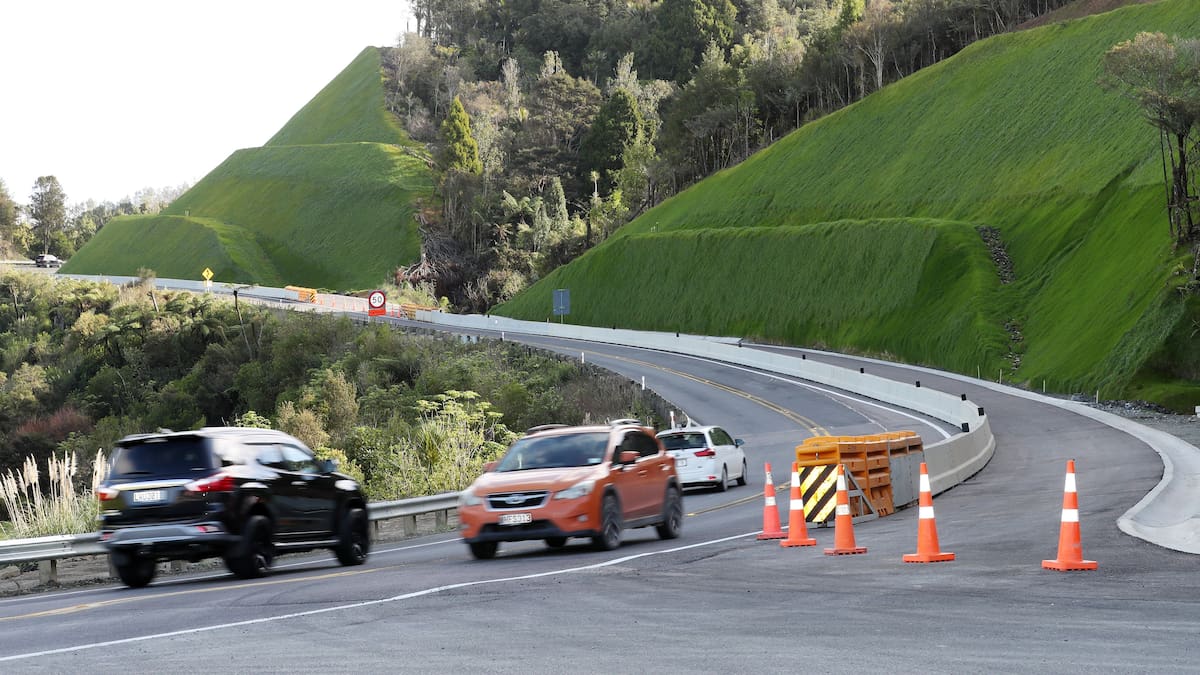
Route protection work is also progressing for the alternative to the Brynderwyn Hills, which is highly vulnerable to slips, causing frequent closures that sever Northland from Auckland.
Rissetto said she was pleased with the progress from Warkworth to Te Hana.
The AA was looking forward to seeing “more certainty” around the timeframe for the Brynderwyns, especially since experts warned that the current alignment only had a maximum life of five to 10 years, she said.
Rissetto pointed out that planning work had already begun on finding an alternative bypass route before it was scrapped by the Labour Government in 2018.
Back then, NZTA sought public feedback on two alternative route options to the west of the Brynderwyns, but the Labour government put the project on hold.
“NZTA has been aware for a long time the Brynderwyns are a weak point on the network,” Rissetto said.
“We want progress to continue on design and designating the land so that when it’s ready to go … we’re not starting from scratch.”
Northland MP Grant McCallum said he was “really pleased we’ve got this project [Warkworth to Te Hana] over the line”.
But major roading projects had to be phased, he said.
“It’s going to take seven years to build Warkworth to Te Hana, so that gives us plenty of time to work through the rest of the project.
“It’s all about having a pipeline of work.
“If the Labour Government hadn’t cancelled the Te Hana route in 2017 we’d be cutting the ribbon now, not turning the sod – and working on the next bit.”
Route protection work is progressing for the Brynderwyns replacement, but the rest of the Northland Expressway heading north has been put on a slow burner.
Labour transport spokesman Tangi Utikere said any suggestion the canning of previous Brynderwyns work was Labour’s fault “was hogwash”.
“When Labour took office in 2017, many projects were poorly costed and unfunded – much like they are today.
“The Brynderwyn Hills work was reprioritised with safety improvements, public transport and regional road resilience at the fore.
“The current Government is now grappling with the very same funding gap it had last time it was in office when it comes to roading promises.”
Bishop insisted the Government remained committed to its roading projects but accepted National’s 2023 election promises were “very ambitious”.
Not all projects could start immediately, with route protection, detailed design and property acquisition needing to be completed before main construction works could begin, he said.
“Phasing the Rons programme means we can keep investing across the wider transport network, including in projects that improve reliability, strengthen resilience, and meet local and regional transport needs.”
Whangārei Mayor Ken Couper said he understood the Government “faces difficult funding decisions”.
“But our position in Northland is very clear.
“A number of points make it very compelling; improving safety is a big one, strengthening resilience and supporting economic growth.
“We desperately need that resilience around the Brynderwyns solution.”
In May, NZTA confirmed it had lodged applications for statutory approvals for the Brynderwyn Hills section under the Fast-track Approvals Act (FTAA).
The 17km Brynderwyn Hills section between Kaiwaka and Waipū was being prioritised for route protection and regional resource consents to address critical resilience issues, NZTA said.
Jenny Ling is a senior journalist at the Northern Advocate. She has a special interest in covering human interest stories, along with finance, roading, and social issues.