
Daryl McPhee
I think it’s a very isolated event. If I was in Tasmania, I wouldn’t be particularly concerned about any increase in bites from sevengill sharks. This isn’t the only bite that’s known, there have been three in the last 13 years in New Zealand, and I’m also aware of another one in Victoria as well.
David Reilly
And with the sevengill shark, how do these bites typically happen?
Daryl McPhee
It’s generally been on a usual array of water users, so there’s been a couple on divers, one on a surfer in New Zealand from memory, and a swimmer.
David Reilly
Right. Okay. So they’re typically found in Tasmanian waters, or is it unusual to see them?
Daryl McPhee
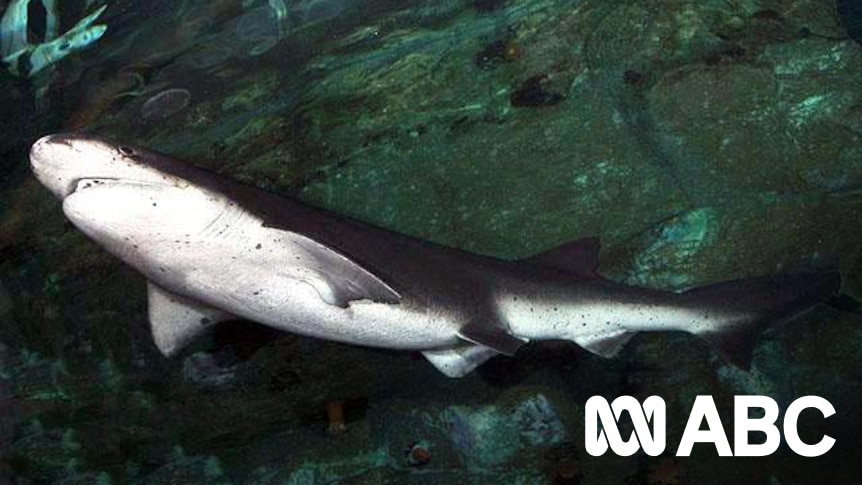
No, they’re typically found in Tasmanian waters. They’re a temperate water species, so they can be quite abundant at times in Tasmania. But my understanding, what’s a bit unusual in this instance was they’re generally more prevalent in the warmer months, in summer. So it was a bit of a surprise to hear of this bite at this time of the year.
David Reilly
Right. Unusual things happening in Tasmanian waters. The swimmer, I think they were spearing, so they had a sort of a fish spear. Is it possible that that could have attracted the shark?
Daryl McPhee
Yeah, it is possible. It always changes the risk profile when someone’s spearfishing. But spearfishing is a popular activity, it’s occurred over a long period of time in Tasmania. So again, that risk of a bite of a sevengill is low, and they’re not responsible for any known fatal bites either. They’re still a large shark. They can get to three metres, but there hasn’t been a bite that’s caused fatality, so they don’t pose that level of risk compared to a white shark.
David Reilly
All right. So where do they sort of sit in the ecosystem then?
Daryl McPhee
They’re opportunistic foragers. They can forage in relatively large schools at times. So they’re not particularly choosy in what they eat. They’ll eat other sharks. They’ll eat lobsters, seabirds, anything that washes into the water.