
In the 12 months to June 2025, the Ministry of Foreign Affairs (MFAT) had 151 new cases of Kiwis needing help in relation to breaking laws, up from 149 the previous year. Most of these were lodged in Australia, which had 38 cases. China followed with 19 cases, and Britain, the United States and Thailand were third equal with eight cases each.
While differences in legal proceedings and penalties for some local laws can seem strict by New Zealand standards, Kiwis are still subject to the laws of the country they travel to.
Countries aren’t trying to “catch” tourists out with criminal offending, says Dr Thomas Harre, a University of Canterbury adjunct senior research fellow and criminal defence lawyer.
“It pays to be culturally aware of the destination one is travelling to, as misunderstandings could in some cases end up being something that is prosecutable,” he says.
Just like in New Zealand, if it’s a law, it is enforceable. So one of the biggest mistakes a traveller can make when in legal trouble overseas, Harre says, is approaching the ordeal as something they can talk themselves out of.
“You might end up saying some things that you then later regret or which are later used against you as evidence in the trial you end up facing,” he warns.
If young travellers find themselves caught up with the law overseas, he says the most important first step is getting a lawyer as soon as possible. “Within hours, not days.”
While NZ has a “high-functioning legal aid system regime”, Harre says, that may not be the case in other parts of the world, which can make it difficult to get access to a publicly funded lawyer for those tight on money.
“Travel insurance doesn’t necessarily cover the cost of it,” he says. “Some policies might, but you’d have to look carefully at the wording of your travel insurance.”
Kiwi travellers in trouble abroad should also ask for the NZ embassy to be notified as this can be a point of contact between the person under arrest and their family.
“They need to make sure that they can understand what’s going on, so that might require an interpreter … don’t sign anything that is written in a language you don’t understand.”.
Harre says some people may not realise that, if convicted and sentenced to a term of imprisonment, there is no guarantee of a transfer back to New Zealand to serve out the sentence.
“That kind of prisoner transfer regime isn’t something that exists,” he says, “although it might be able to be negotiated on a case-by-case basis. But there are no rules about it.”
Here are other unfamilar laws to note before they catch a relative or you out while travelling on an OE.
Wearing swimming togs when not near a body of water would result in a fine in Barcelona. Photo / Getty Images
Spain
Amid the heatwaves across Europe, it may be tempting for some travellers to go shirtless in the Spanish streets. But stripping off could land them with a hefty fine.
In the municipalities of Alicante and Palma, fines can be up to €750 ($1460), while Barcelona caps it at a maximum of €300 ($583).
In Barcelona, it’s also illegal to wear swimming togs when you’re not close to a body of water.
Thailand
Aside from harsh penalties for theft at the airport, saying something offensive towards the Thai royal family is another criminal offence that may surprise New Zealanders. Penalties for breaking the law, known as lese-majeste, carry a maximum sentence of 15 years.
MFAT-managed Safe Travel also advises travellers to behave respectfully around all images of the royal family, including on money.
It is against the law to possess a vape, e-cigarette, pod, e-liquid, or heat-not-burn device in Thailand. The offence can lead to detention and hefty fines. Smoking in public also carries a fine of up to 5000 baht ($255).
If you like to play cards, you should also be aware that Thailand has firm laws on gambling. It is illegal to carry more than 120 playing cards.
Owning a vape and playing cards could both land you in trouble in Thailand.
Switzerland, Austria, Denmark, Belgium, the Netherlands, and Bulgaria
There are rules regarding wearing clothing that fully hides your face while in a public place. There are varying degrees of enforcement and penalties for this, depending on the country.
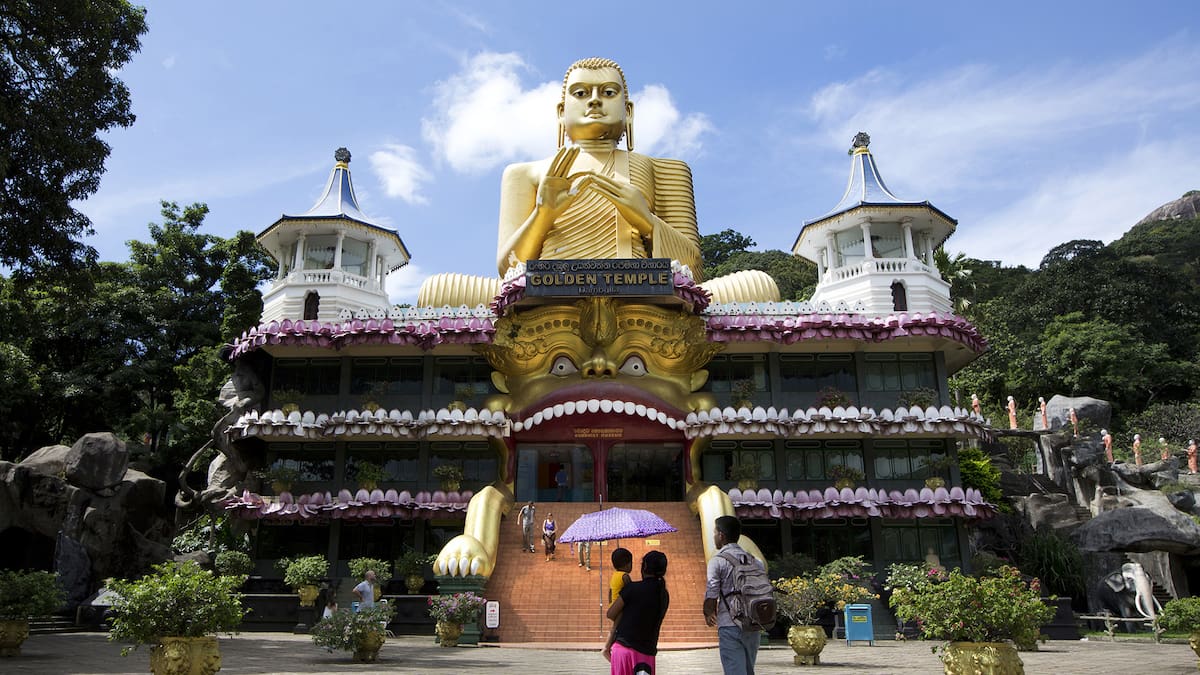
Sri Lanka
Safe Travel warns travellers to be “very careful” when talking about religion in Sri Lanka. “Public comments about religion can be controversial and even result in arrest and imprisonment,” it states on its website.
“Posing for a photograph next to a statue of Buddha is illegal in Sri Lanka, as can be displaying jewellery, tattoos or clothing with pictures of the Buddha.”
UAE
There are harsh penalties in the United Arab Emirates (UAE) for some actions that are part of everyday life for New Zealanders.
For instance, same-sex relationships are forbidden, and same-sex marriage is not recognised. It is against the law to criticise an ethnic or religious group, the UAE, the royal families, government officials or the country’s flag. It is also illegal to photograph certain infrastructure, such as government buildings and palaces.
While posting travel photos on social media may be tempting, exercise caution. It’s illegal to take a photo of anyone or post photos of people or their personal belongings (including vehicles) without their consent.
“This includes people in the background of photos,” Safe Travel notes. “It’s illegal to publish, share, or repost rumours or unverified information online.”
The UAE also has a zero-tolerance approach to drug-related offences. The consequences for breaking these laws may lead to the death penalty or life imprisonment.