
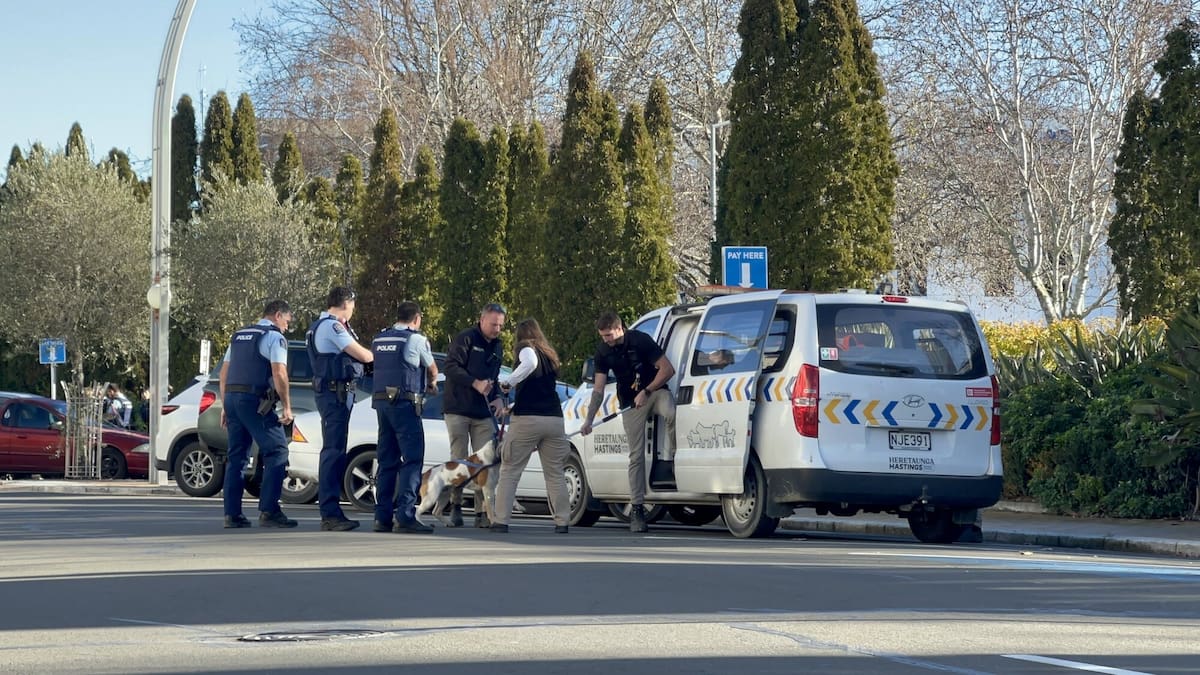
Animal control officers, Local Government New Zealand and the local government professional network Taituarā have helped develop the guidelines, which will be a “practical resource” councils can use when carrying out dog control functions.
“Officials are now progressing the next phase of the review and providing advice on scope, timing and stakeholder engagement, with a view to moving quickly in the next term of government,” Watts said.
New polling of more than 1100 New Zealanders with pets, released to Newstalk ZB, has found 58.8% of respondents believe responsible ownership is the most important aspect of preventing dangerous behaviour in dogs.
The PD Insurance Pet Trends Survey found that 17.9% identify early socialisation as being most important, while 11.9% consider consistent training to be most crucial.
The remaining respondents are split between daily exercise and stimulation (3.5%), desexing (3.3%), responsible breeding practices (2.4%) or other things like making dog registrations cheaper, free desexing, teaching dog safety in schools and muzzling aggressive dogs (2.1%).
Four people have been killed in dog attacks in the past four years, reported attacks have almost doubled and Auckland’s most populated suburbs have some of the highest rates of dog attacks.
Last month, the Herald reported a dog that inflicted “deep puncture wounds” on a 6-year-old child was allowed to remain with its owners and an 83-year-old man said he felt lucky to be alive after being attacked by two dogs in Huapai.
The SPCA has been calling for changes to the Dog Control Act for more than a decade and Auckland Council has warned further fatal attacks are likely if the law isn’t changed.
PD Insurance chief operating officer Michelle Le Long said New Zealanders overwhelmingly believed responsible pet ownership was the foundation for preventing dangerous behaviour in dogs.
“While early socialisation, consistent training and regular exercise all play an important role, the results suggest people recognise that a dog’s behaviour starts with the commitment and decisions of its owner.”
Watts has said the current review may look at council resourcing, penalties and consequences for non-compliant dog owners, desexing obligations and stronger powers for council officers.
“People are reporting that they are avoiding areas in their neighbourhood because they have been attacked or have reason to believe they will be.
“Kiwis should be able to walk, run or take their kids to the park without worrying about being harmed. Dog owners must take responsibility and keep their animals under control.”
Police Minister Mark Mitchell said the police would also accompany dog control officers dealing with “dangerous and high-risk dogs … where police-only powers are required or there are significant safety risks”.
Michael Sergel is Newstalk ZB’s business reporter. He’s been covering business, politics, local government and consumer affairs for over a decade.