
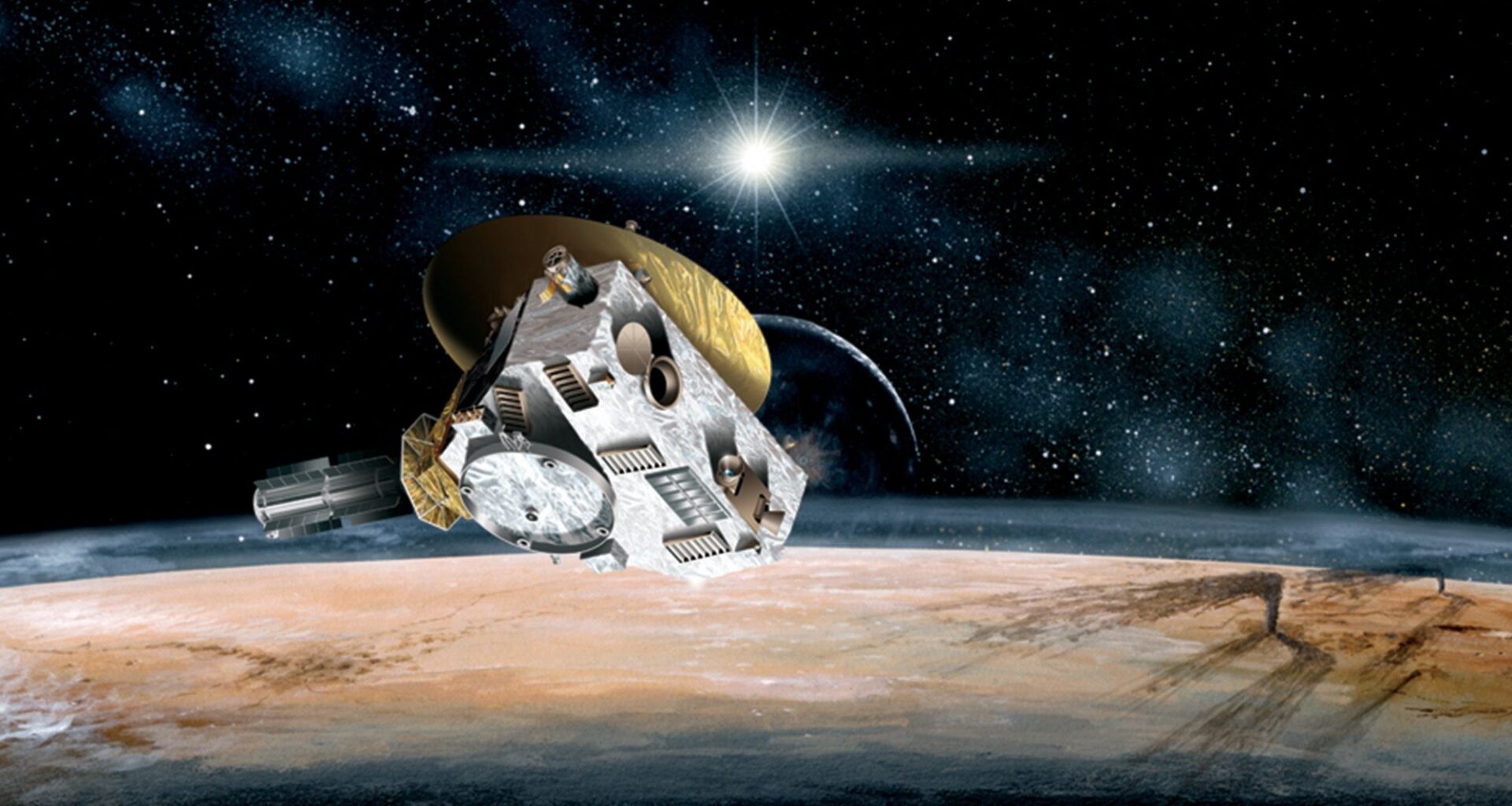
There’s nothing more disorienting than falling asleep in transit only to wake up and find you’ve somehow drifted billions of miles beyond the orbit of Pluto.
Fortunately for NASA‘s New Horizon spacecraft, which scientists just awakened from a nearly yearlong hibernation at the solar system‘s edge, all systems are in “good health,” according to a NASA statement. Now, with the probe recovered from its 321-day sleep and beginning to transmit science data again, New Horizons appears ready to continue its mission of studying the mysterious boundary where the sun’s realm ends and interstellar space begins.
Latest Videos From
You may like
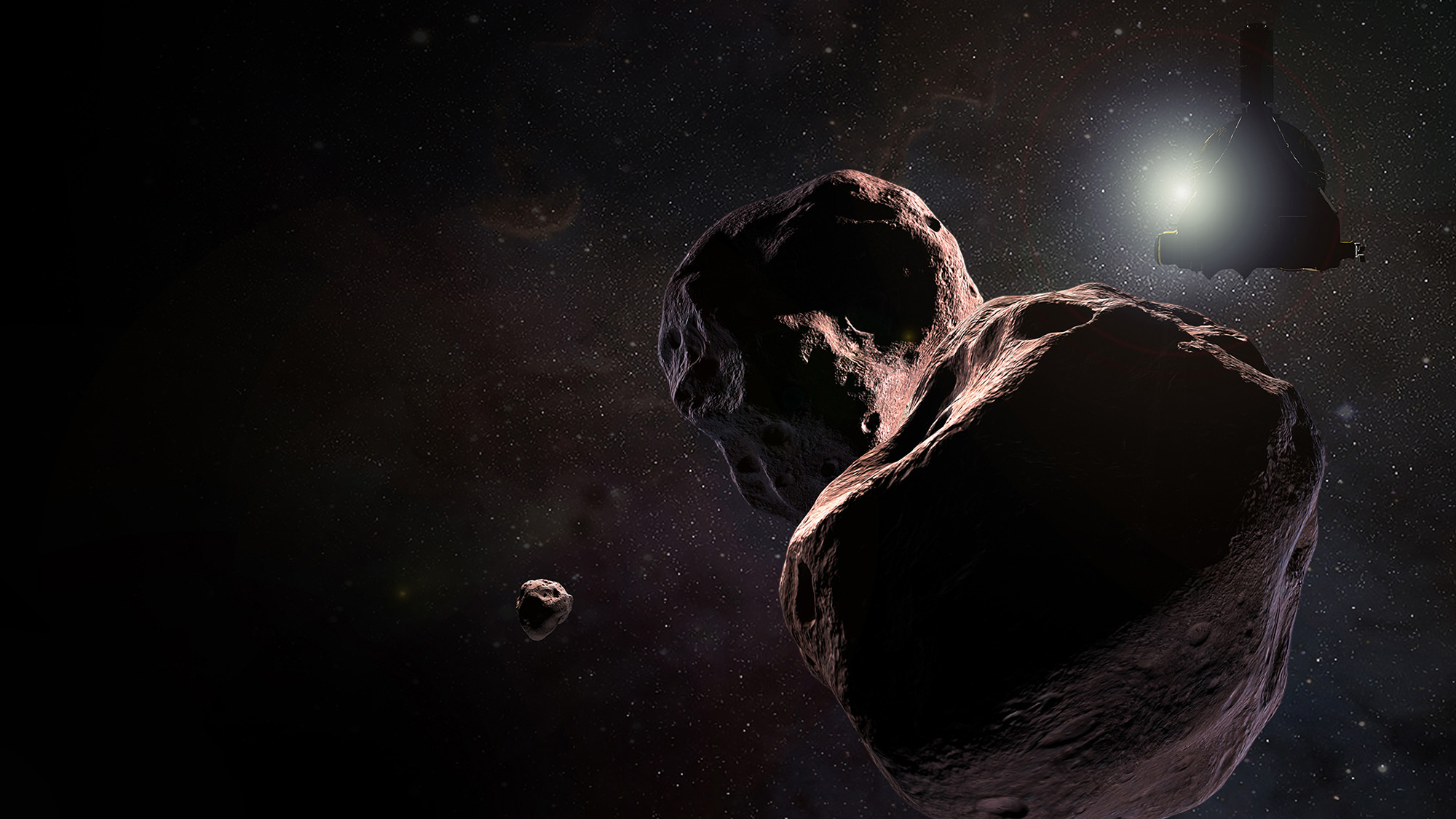
An illustration of the Kuiper Belt object Arrokoth, the farthest-ever solar system object to receive a close flyby. New Horizons whizzed past it in 2019.
(Image credit: NASA/Johns Hopkins University Applied Physics Laboratory/Southwest Research Institute/Steve Gribben)