
“People know it is happening and know there is nothing we can do about it, so they are getting on with what needs to be done.”
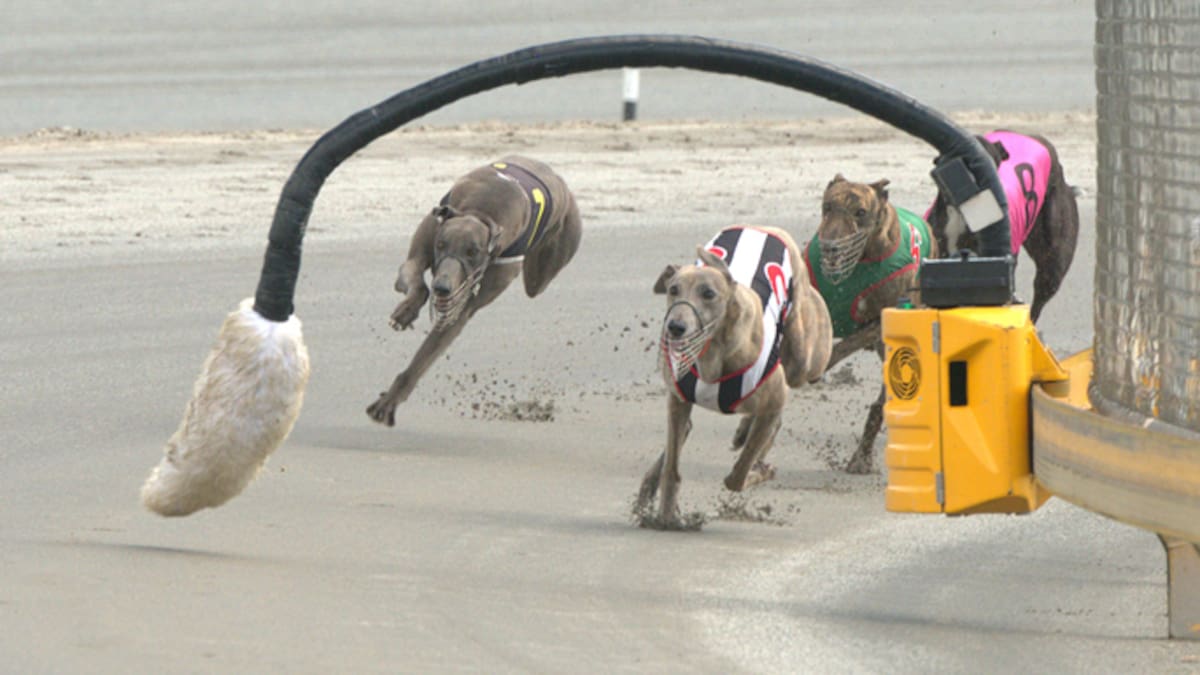
That means tracks which have been part of New Zealand racing folklore are holding their last greyhound meetings one by one, most at facilities shared with other codes.
It was Palmerston North’s turn last Sunday as the code held its last greyhound meeting, admittedly with some nice touches, but the long goodbye now gets far more sombre.
The final-ever Auckland meeting will be held at the Manukau Sports Bowl this Sunday, with hospitality bookings for tables popular as some come out to support, show defiance or just from a morbid sense of curiosity.
Invercargill holds its last dog meeting on Monday and then Cambridge stages its finale next Thursday during the day, with the final major meeting for the code at Addington that Thursday night, with three major races to be held.
Addington backs that up with a day meeting on Friday week, before Whanganui has the honour, dubious as it may be, of holding the final-ever meeting on the last night of the season.
“As sad as this all is, I am told they are selling plenty of hospitality tables at Manukau, Addington and Whanganui as people want to come say goodbye to the sport,” Rennell said.
Once racing dogs is banned from August 1, many of the trainers still left in the country will effectively run, in Rennell’s words, a “boarding kennel” for their dogs until they are rehomed.
“We have somewhere between 1300 and 1400 dogs who will still be in training or with a trainer and waiting to be rehomed,” he said.
“We think that could take at least two years and during that time their trainers, if they choose to, will get paid a daily rate to look after each dog until it is adopted out and rehomed.”
That will be overseen by the Greyhound Transition Agency, which could receive up to $60 million of funding from TAB NZ to cover its work, with $36m of that funding for next season, when the rehoming will be at its busiest.
“But we can see problems with that too,” Rennell said.
“If a trainer has, say, 20 dogs on their books and is looking after them basically like a boarding kennel and making that their job, is that still going to be feasible for them once they get down to only having eight or even six dogs still boarding with them, waiting for a home?
“These people have to make a living, after all.”
Greyhound Racing New Zealand’s small number of staff will disperse soon after the code closes, with some moving to the Transition Agency and others left unemployed, while Rennell and one other staff member will stay on until October to tidy up the loose ends, but only part-time for the last two months.
The death of the greyhound racing code will leave some large gaps to fill in the domestic racing calendar and will affect horse racing clubs at venues like Addington, Manawatū and the already financially struggling Cambridge, which have all been paid rent by the greyhound clubs who raced there.
Greyhound racing from Australia, where the code is also under threat or set to be banned in some states, will still be broadcast in New Zealand and available for New Zealand-based punters to bet on.
Greyhound racing’s long goodbye
The announcement of the coming ban on greyhound racing in New Zealand was made in December 2024.The code will be banned from Saturday week, August 1.Tracks are already starting to hold their final meetings, with the last-ever greyhound meeting in this country to be at Whanganui on the night of July 31.
Michael Guerin wrote his first nationally published racing articles while still in school and started writing about horse racing and the gambling industry for the Herald as a 20-year-old in 1990. He became the Herald’s Racing Editor in 1995 and covers the world’s biggest horse racing carnivals.