
Your support helps us to tell the story
From reproductive rights to climate change to Big Tech, The Independent is on the ground when the story is developing. Whether it’s investigating the financials of Elon Musk’s pro-Trump PAC or producing our latest documentary, ‘The A Word’, which shines a light on the American women fighting for reproductive rights, we know how important it is to parse out the facts from the messaging.
At such a critical moment in US history, we need reporters on the ground. Your donation allows us to keep sending journalists to speak to both sides of the story.
The Independent is trusted by Americans across the entire political spectrum. And unlike many other quality news outlets, we choose not to lock Americans out of our reporting and analysis with paywalls. We believe quality journalism should be available to everyone, paid for by those who can afford it.
Your support makes all the difference.Read more
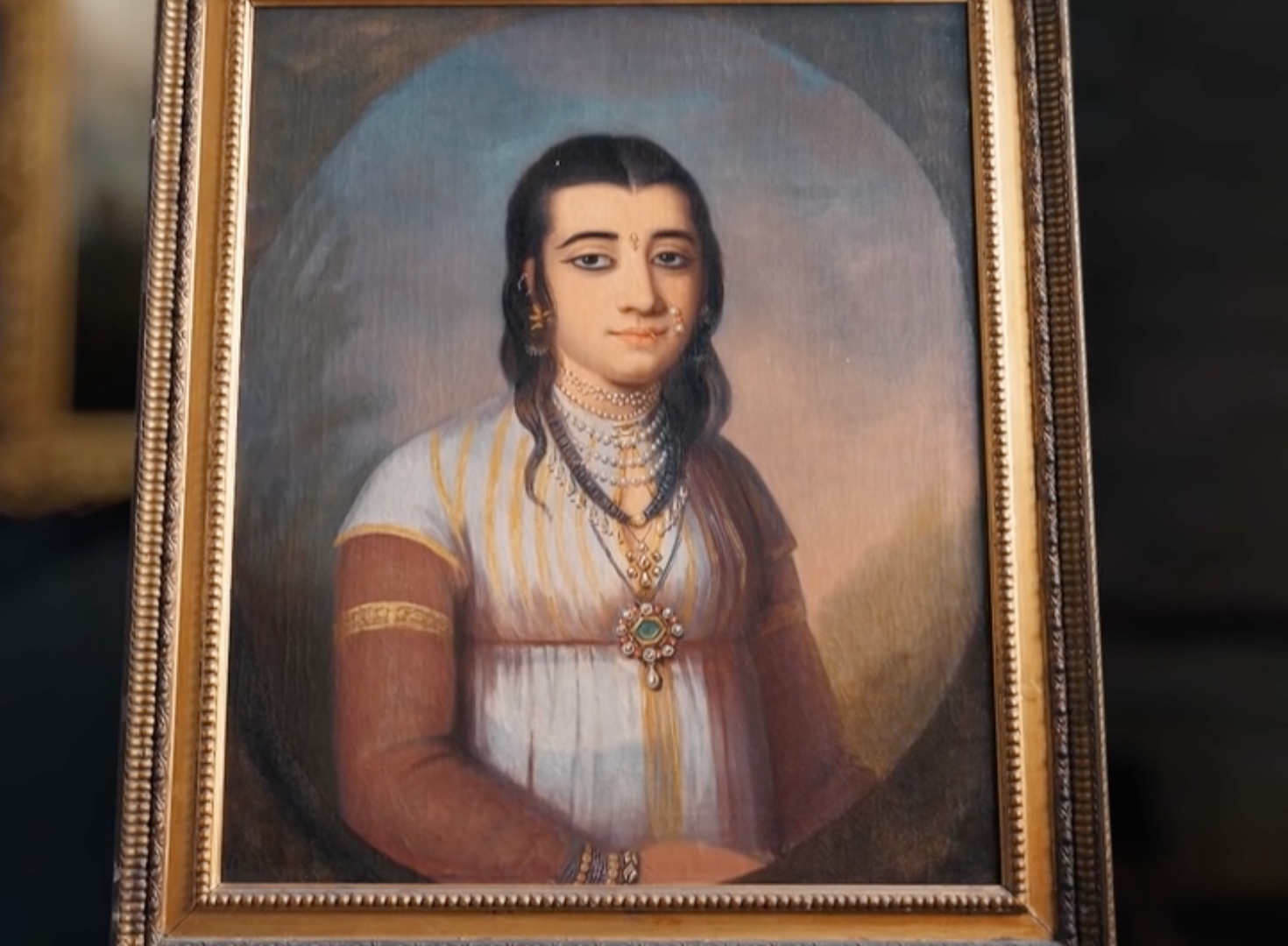
An “enormously important” 18th-century painting worth £100,000 was discovered on BBC series Fake or Fortune?, much to the surprise of the show’s experts.
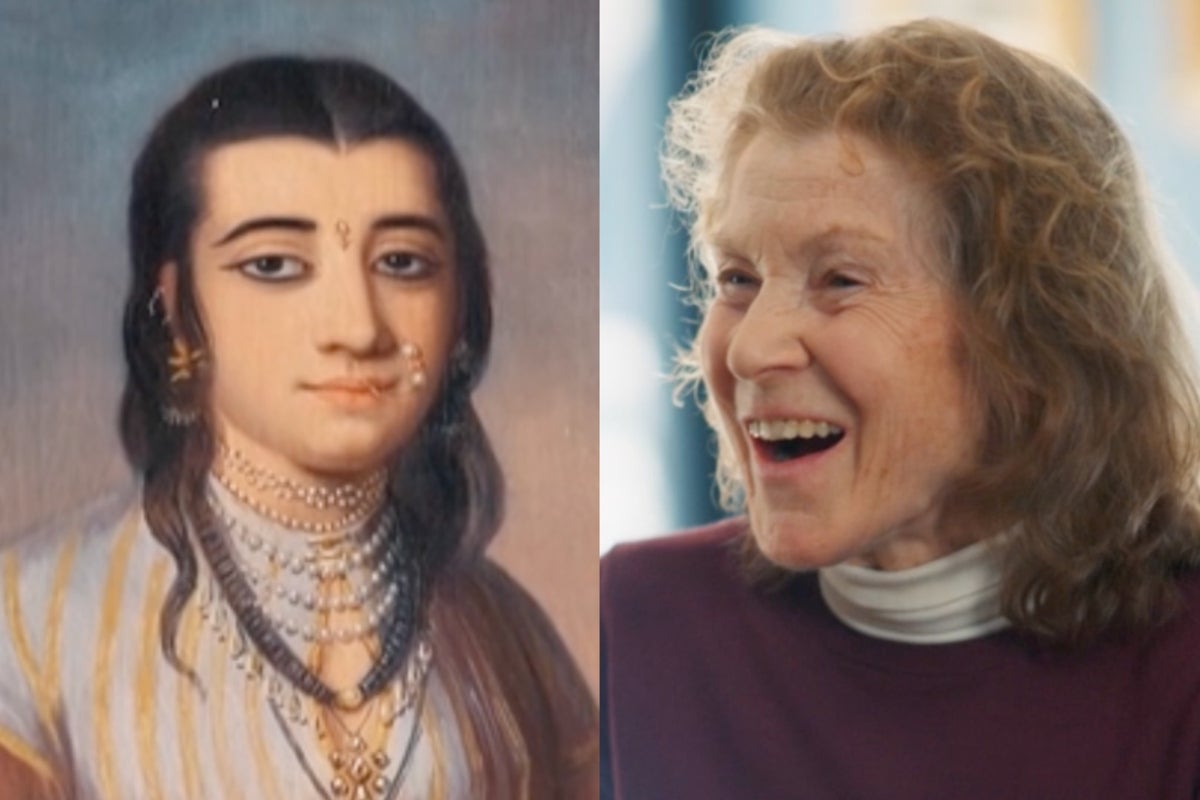
The work was brought onto the series wrapped in a sleeping bag by retired accountant Mary-Louise Wedderburn, who revealed she thought it was a work of Scottish artist Katherine Read.
Wedderburn said she had inherited the painting from her uncle, who died 20 years ago, and believed that acclaimed portraitist Read might have been a distant relative.
Art historian Charles Greig described the portrait on Thursday’s episode (23 July) as “one of the trickiest paintings I’ve ever had to consider”.
 Katherine Read painting valued at £100,000 on ‘Fake or Fortune?’ (BBC)
However, he concluded that, “on the basis of all the evidence put together”, he was “entirely certain” it was a Read painting. Wedderburn was overwhelmed to have the portrait’s authenticity confirmed, stating: “It’s wonderful, it’s unbelievable. Thank you so much.
“It’s just so important to me that it’s by Katherine Read, because of the family connection, but also because of who she was.”
She added: “The more that we find out about Katherine Read, the more I think she was just a wonderful woman, she was just super.”
The painting depicted an Indian woman wearing a nose ring, a pearl necklace, and an emerald pendant. Of the discovery, art dealer and presenter Philip Mould said they had “just witnessed a significant baptism in art historical terms”, adding: “Now that we have a very significant artist – and we also have a highly likely subject – this is a hugely hot area in the art market. We’re looking at £100,000 upwards. What a wonderful result.”
He predicted that “more works by this pioneering woman artist in India” will be “coming out of the woodwork” as a result.
Read, a well-known portraitist at the time, studied in Europe, moved professionally in elite circles and was so successful that she was paid more handsomely than her better-known contemporaries, including Thomas Gainsborough.
The acclaimed artist worked in oils, crayons and miniature and centred on depictions of ladies and children of the aristocracy.
 Mary-Louise Weddernburn was overwhelmed after learning painting was a work by Katherine Read (BBC)
She exhibited her works with the Incorporated Society of Artists, but was expelled after joining the Royal Academy. When new pastel artists rose to prominence, Read moved to India, where she painted portraits of young English officers living there.
The painting that appeared on Fake or Fortune? is believed to be the earliest recorded portrait of an Indian sitter by a female artist from Europe.
“One of the most interesting things about this painting is that I’m pretty certain that [the sitter] is a member of the Nawab’s family in Madras,” Greig explained.
“That is extremely unusual because most of the other portraits of Indian ladies are a companion, or sometimes a wife, of a European.
“But I can’t think of another portrait of an Indian lady of this period that is actually part of a royal court rather than a European’s household. That makes it enormously important.”
With the help of experts Professor Catriona Seth, Ashvin Rajagopalan and artist Lachlan Goudie, the art detectives discovered more about Read’s “intrepid, bold and eccentric character” and how she travelled across Europe to Chennai in India, then known as Madras.
Read died at sea near Madras in December 1778, aged 55.
Additional reporting by Agencies