
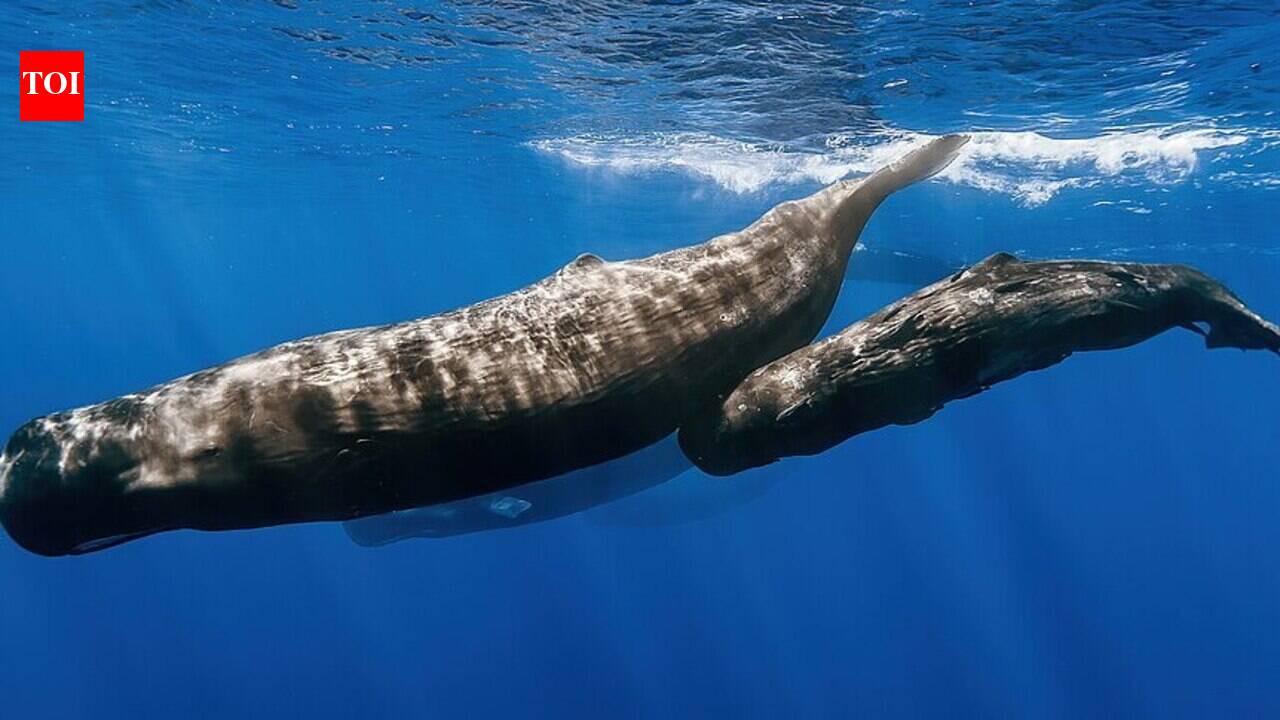
 Scientists find sperm whales blow bubbles to stay upright while sleeping, a tiny buoyancy trick that keeps the ocean’s biggest predators resting just below the surface. Image Credits: Wikimedia Commons. Sperm whales may be among the largest predators in the ocean, but even these enormous hunters face a surprisingly simple problem when they rest: staying underwater. According to a study published in Current Biology, researchers have now found that the whales appear to release bubbles as they sleep, reducing their buoyancy just enough to remain suspended beneath the surface instead of drifting upwards. The discovery offers an insightful glimpse into how these deep-diving giants may fine-tune their bodies to maintain their position in the water even while resting.Sperm whales have also been observed resting in an unusual vertical posture. Unlike the horizontal position associated with sleep in many land mammals, the whales have been seen remaining almost motionless in the water with their heads pointing towards the surface and their bodies suspended below it. CJP Jantar Mantar Protest UpdatesScientists have suggested that this behaviour may represent sleep, although observations alone cannot establish exactly how deeply asleep the animals are.The problem of sleeping while naturally buoyantThe key to this problem might be connected to how the sperm whale controls the gases in its body. The sperm whale has positive natural buoyancy, meaning it naturally tends to float upward in seawater. In addition to that, the large head of the sperm whale has the spermaceti organ, which contains some waxy substance, and the air in its lungs influences the general density of the whale.According to the study published in the Journal of Experimental Biology, researchers combined data from suction-cup tags with hydrodynamic modelling to examine how resting sperm whales manage their buoyancy. The study found that the whales’ resting dives were associated with a reduction in onboard gas volume, which could help counteract their natural tendency to become more buoyant as they ascend. The study also states that the researchers analysed data from sperm whales observed during resting periods. They combined movement and acoustic data with simulations that considered factors such as tissue density, drag through the water and the volume of gas in the whales’ bodies. The results indicated that releasing bubbles could reduce the whales’ positive buoyancy, helping them remain submerged while resting.How sperm whales control their position while restingFor an animal as large as a sperm whale, even a small change in the amount of gas inside its body could affect its position in the water. Sperm whales can grow to more than 15 metres long and weigh many tonnes, yet the release of a relatively small amount of gas may help alter their buoyancy as they rest beneath the surface.The researchers suggest that some of the released gas could be carbon dioxide or nitrogen that has moved from the whales’ tissues into their lungs before being expelled. This means the bubbles may not serve only one purpose. They could be linked to the whales’ buoyancy, while also reflecting the way their bodies manage gases after deep dives.The behaviour is particularly interesting because sperm whales rest in short periods. According to National Geographic, these animals are thought to sleep for around 10 to 15 minutes at a time. Unlike land mammals, they cannot remain asleep indefinitely because they must return to the surface to breathe. Their brief, near-surface resting periods therefore require the whales to remain in a position from which they can easily breathe when necessary.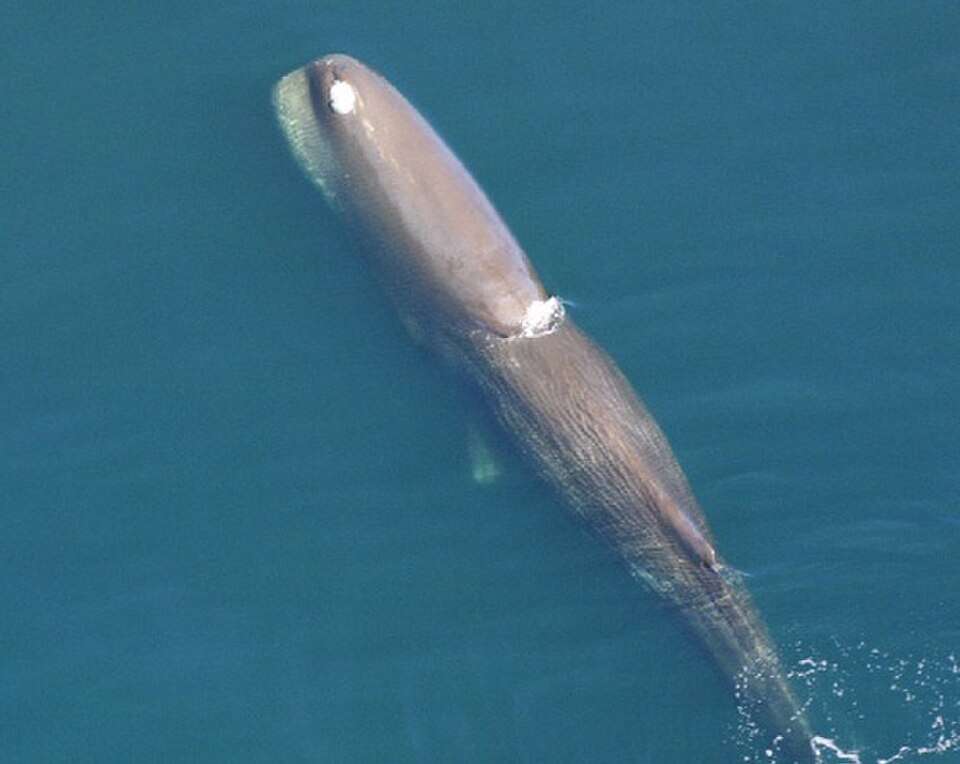
Sperm whales may be among the largest predators in the ocean, but even these enormous hunters face a surprisingly simple problem when they rest: staying underwater. Image Credits: Wikimedia Commons.
Why sleeping sperm whales release bubblesScientists do not yet know whether sperm whales are fully unconscious when they release bubbles or retain some level of awareness. The study therefore does not show that the animals deliberately blow bubbles while asleep. Instead, the findings indicate that resting whales release gas during shallow drift dives, a process that may influence their buoyancy and help them maintain their position beneath the surface.The bubbles may not serve a single purpose. Researchers suggest that they could be connected to buoyancy regulation, but they also cannot rule out the possibility that the gas consists partly of carbon dioxide or nitrogen released from the whales’ tissues after deep dives. The finding therefore offers a glimpse into the complex physiological processes that may help sperm whales manage their position and gases while resting.