
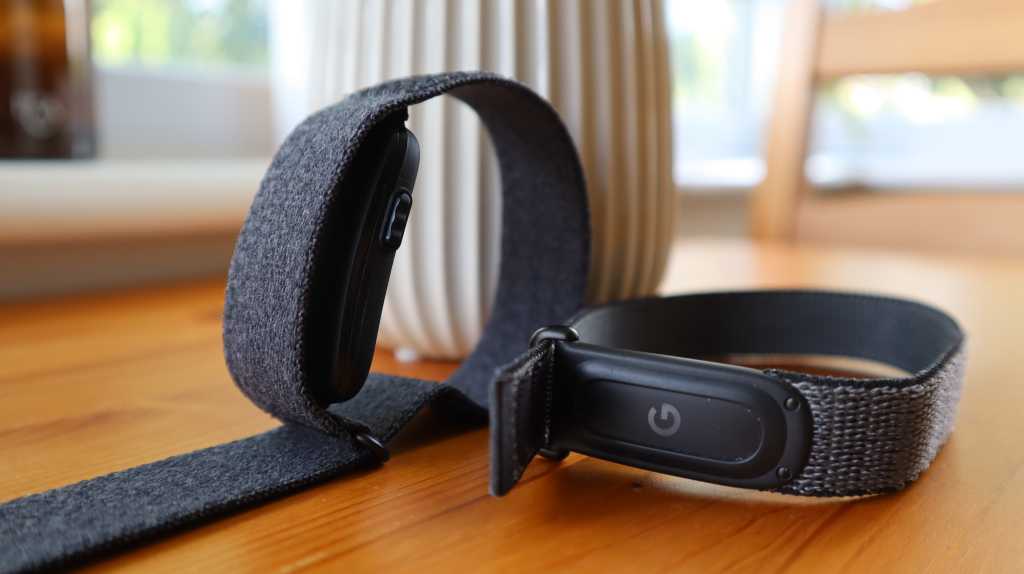
The first big-brand competitor to hit the market was the Fitbit Air, which arrived just a few months ago, bringing along a completely revamped Google Health app along for the ride. I absolutely loved my time with the Air, and I’ve been using it since that review period to help stay on top of my overall fitness, which, at a time when I’m working freelance hours and caring for a baby, has been tough.
As a big fan of Garmin smartwatches, however (I currently love the Garmin Venu X1), I’ve been very eager to see what Garmin’s interpretation of the concept would look like, and after my short time with it, here are three reasons why the Cirqa is replacing the Fitbit Air on my wrist.
Thomas Deehan / Foundry
It makes good on the “no subscription” promise
As much as I love the Whoop Strap, the fact that the device becomes about as useful as a paperweight if you stop paying for the subscription is absurd, and it’s exactly why the Fitbit Air, without such terms attached and a very reasonable £84/$99 asking price, is such a tempting prospect to a lot of people.
The problem, however, is that while you do get a decent fitness tracking experience right out of the box, the true power of the Fitbit Air doesn’t really come into focus unless you fork out for the additional Google Health Coach service, which carries a monthly cost of £7.99/$9.99 (or an annual fee).
By comparison, the Garmin Cirqa offers a far more robust fitness tracking experience with all of the bells and whistles you could possibly want.
Just like with having a Garmin watch in tow, you’re getting access to all of the workout details that are perfect for those who want to make gains wherever possible, with insights into everything from the estimated sweat loss to whether or not the exercise pushed your body to its highest threshold.