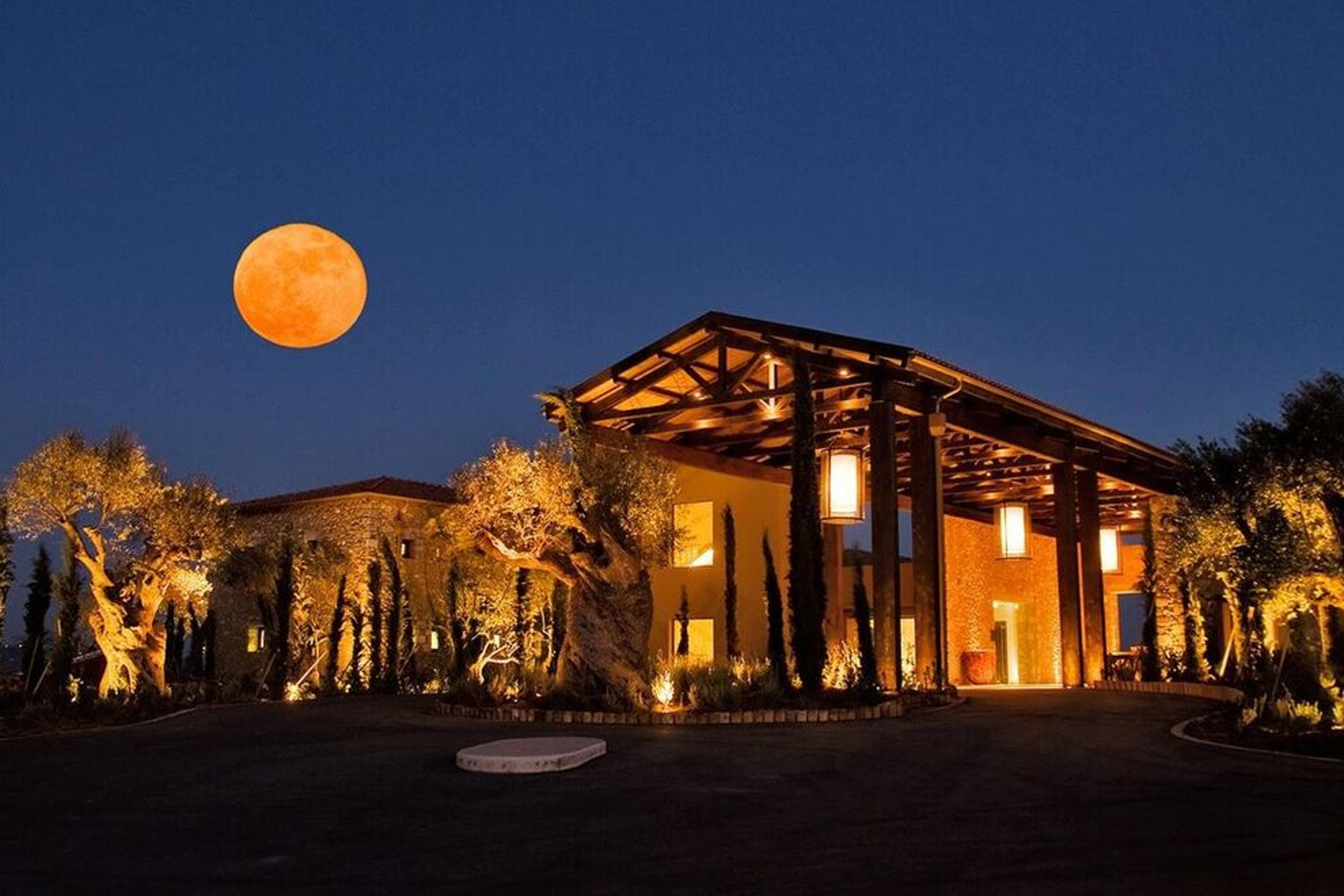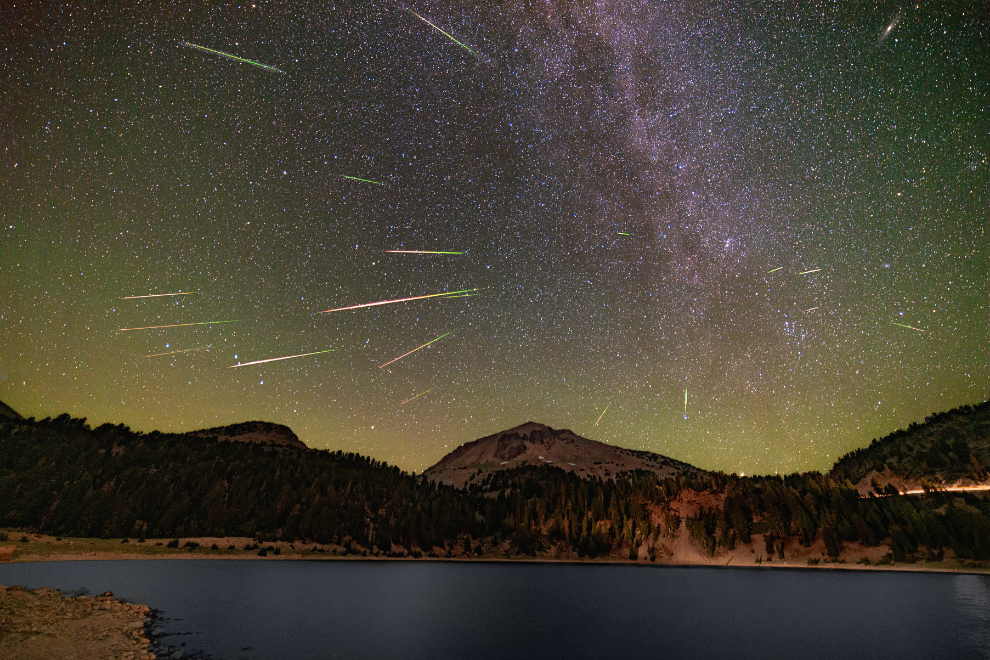
 Photo courtesy of Getty/Jerry Hamblen
The Perseid meteor shower is officially here, and — much to the delight of stargazers (like myself) — 2026 is shaping up to deliver one of its best displays in years.
Every summer the night sky puts on a dazzling spectacle when Earth passes through the Comet Swift-Tuttle debris field. The resulting Perseid Meteor Shower happens when pieces of rock enter the atmosphere, heating up until they vaporize, causing them to glow brightly in the sky — and creating the most popular meteor shower of the year, in the process.
Unlike some meteor showers, the Perseids often produce especially bright and vibrant meteors that are commonly known as fireballs; this occurs when big comet fragments leave glowing trails in their wake.
Typically beginning in late July and running through August, the meteor shower displays dozens of shooting stars per hour during peak conditions. This year, the Perseid meteor shower is expected to peak on August 12th, with somewhere between 50 and 90 shooting stars lighting up the sky per hour.
The meteors will be visible in many places across the country, but choosing the right viewing location is crucial, as it can reduce artificial light interference and allow shooting star-lovers to capitalize on their stargazing experience.
Artificial light from cities can reduce visibility in the sky while factors like high elevations, dry air, and expansive horizons can set the stage for the perfect viewing experience.
Fortunately, the United States is home to more than 150 dark-sky designations due to its remote deserts, alpine mountain passes, and coastal parks — making it a prime viewing location for the 2026 Perseids.
Whether you’re a long-time dark sky lover or you’re planning a remote trip to witness the Perseid meteor show for the first time, these destinations are among my favorites, as they could offer some of the country’s best viewing experiences this year.
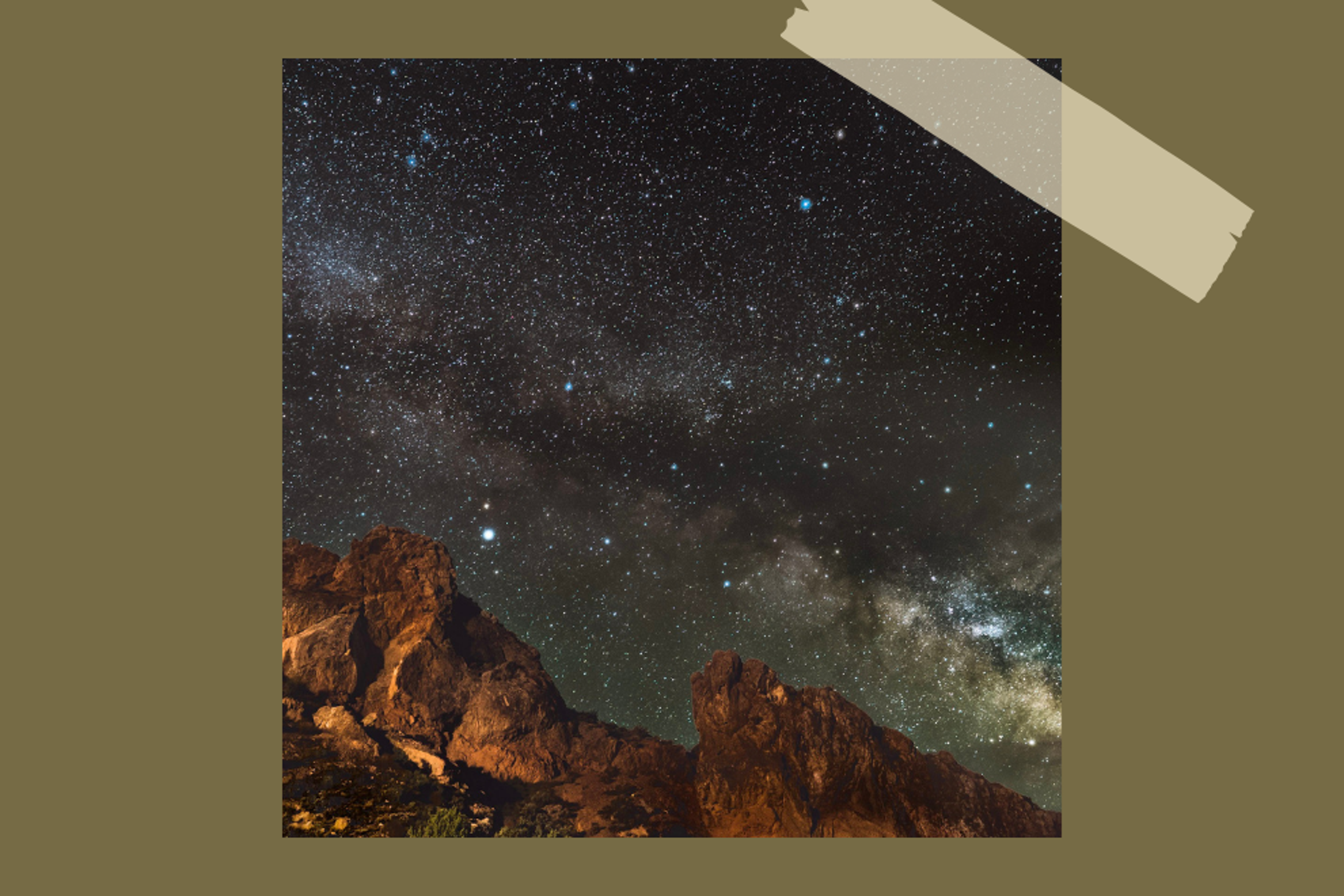 Photo courtesy of Getty/Elizabeth M. Ruggiero
Great Basin National Park, Nevada
If there was a single place in the country that was built for stargazing, it’d be Great Basin National Park. Located in eastern Nevada, Great Basin National Park is more than 200 miles away from major cities like Salt Lake City and Las Vegas. Widely regarded as one of the darkest national parks in the contiguous United States, the park and the surrounding area is uniquely positioned to offer one of the best stargazing opportunities in the country.
With elevations that range from desert valleys to 13,000 feet, the park often boasts of clear skies and dry air, which enhances visibility. The park even goes so far as to reduce light by using red exterior lights at night. Popular viewing locations include Mather Overlook, Wheeler Peak pullouts, and open meadows near the Lehman Caves Visitor Center.
The park also hosts a number of astronomy programs throughout the year, solidifying its reputation as one of America’s best dark-sky destinations.
Recommendations are independently chosen by the editors of 10BEST. Purchases you make through our links may earn us a commission.
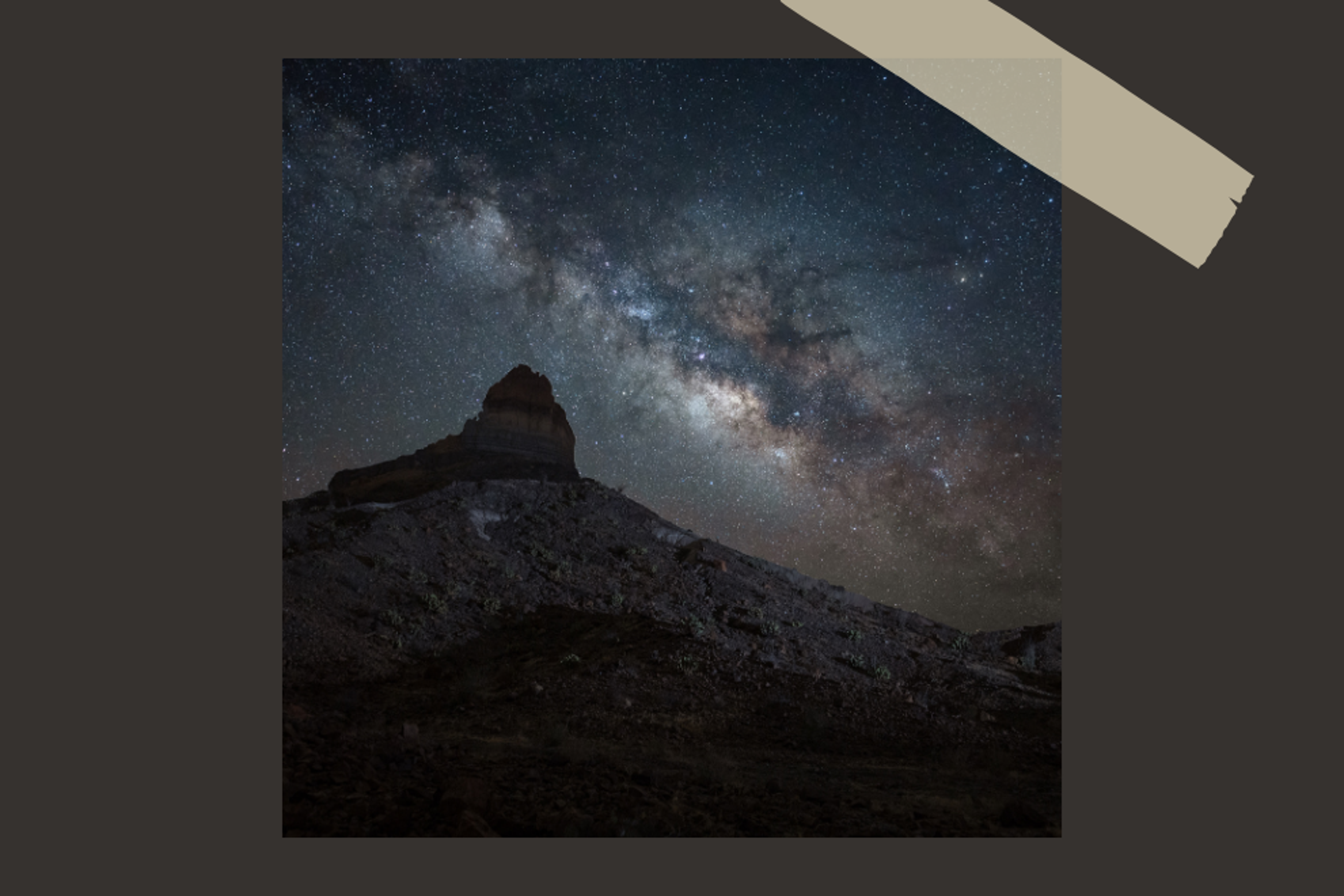 Photo courtesy of Getty/Kate Ciembronowicz
Big Bend National Park, Texas
Located along the Rio Grand in western Texas, Big Bend National Park protects one of the biggest expanses of natural darkness in North America. The park itself is more than 800,000 acres in size, but it’s also part of the 9-million acre Greater Big Bend International Dark Sky Reserve, which makes it part of the biggest dark sky reserve in the entire world.
Known for its dramatic desert landscapes, sharp outcroppings, and crystal-clear skies, Big Bend National Park is full of ample places where visitors to the park can watch the meteors, including Chisos Basin, Panther Junction, or at the park’s overlooks.
Recommendations are independently chosen by the editors of 10BEST. Purchases you make through our links may earn us a commission.
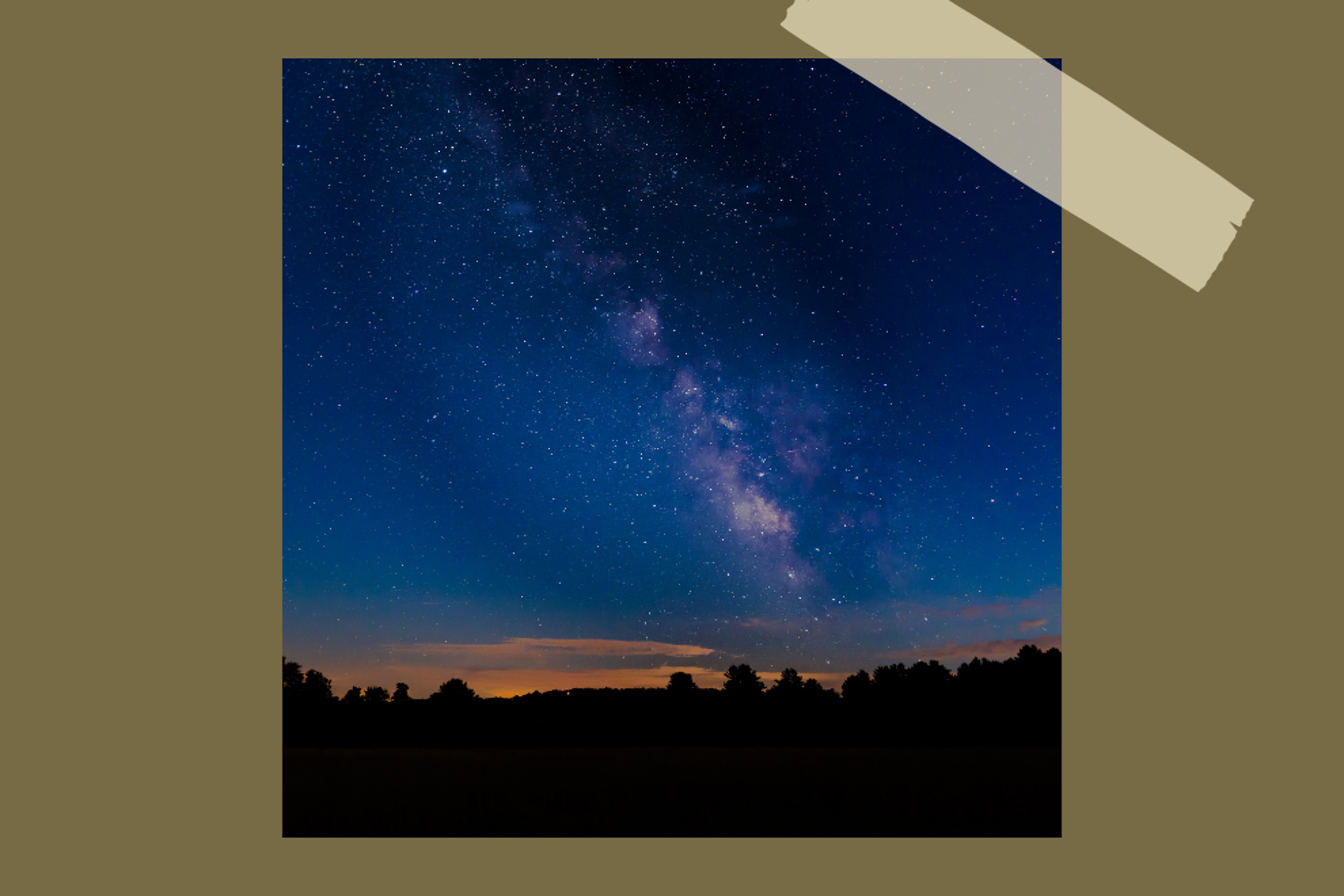 Photo courtesy of Getty/Jack R. Perry
Cherry Springs State Park, Pennsylvania
Widely considered the darkest stargazing destination on the east coast, Cherry Springs State Park attracts astronomers and star-lovers all year round. The park received an International Dark Sky Park designation in 2007, due to its clear, unpolluted night skies.
It’s also surrounded by the 262,000-acre Susquehannock State Forest, which is partially responsible for supporting unobstructed views. The Astronomy Observation Field gives guests a wide-open location for meteor viewing, while nearby campgrounds give outdoor-lovers a comfortable place to spend the entire night beneath the stars.
Recommendations are independently chosen by the editors of 10BEST. Purchases you make through our links may earn us a commission.
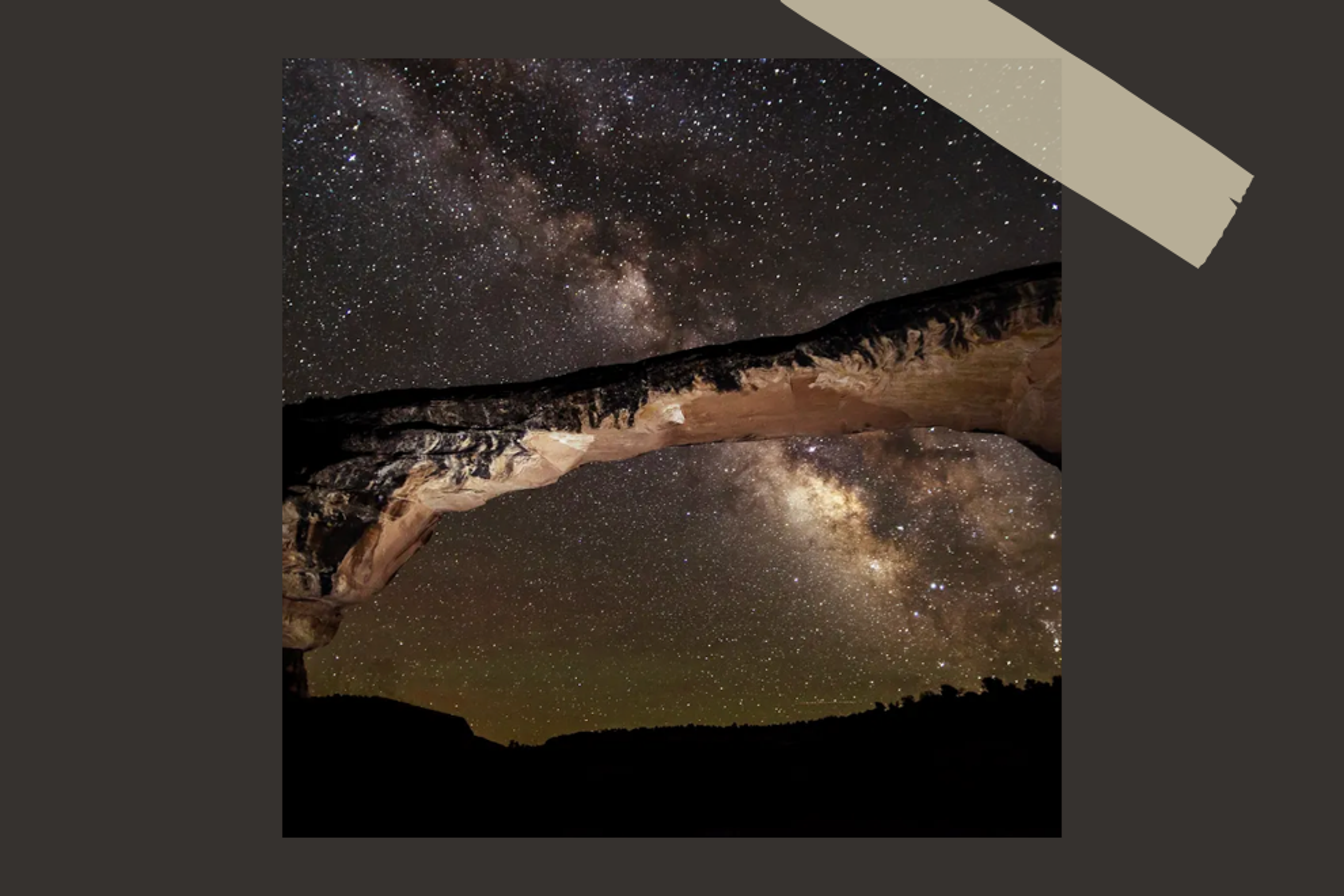 Photo courtesy of National Park Service
Natural Bridges National Monument, Utah
Natural Bridges National Monument became the world’s first International Dark Sky Park in 2007 due to its dramatic landscape and dedication to preserving the region’s dark skies. During the day, visitors head to the monument to witness the region’s sandstone bridges; but at night, the monument transforms into one of the best stargazing locations in the country since little artificial light interferes with the sky.
The monument can be tough to reach because of its remote location, but since it’s more than 100 miles away from a major city, it’s one of the best locations to view the Perseid meteor shower in the state of Utah.
Recommendations are independently chosen by the editors of 10BEST. Purchases you make through our links may earn us a commission.
 Photo courtesy of ferrantraite from Getty Images Signature
Death Valley National Park, California
Despite Death Valley’s intimidating summertime temperatures, the park rewards visitors with some of the clearest night skies in the southwest. The desert basins, low humidity, and distance from urban development makes the area an ideal meteor-watching location.
Places like Badwater Basin, Mesquite Flat Sand Dunes, and Harmony Borax Works offer visitors expansive horizons where meteors appear to stretch across the entire sky. But since the park’s night time temperatures can still reach 90 to 99 degrees in July and August, visitors should make preparations like packing extra water and wearing loose, lightweight clothing.
Recommendations are independently chosen by the editors of 10BEST. Purchases you make through our links may earn us a commission.
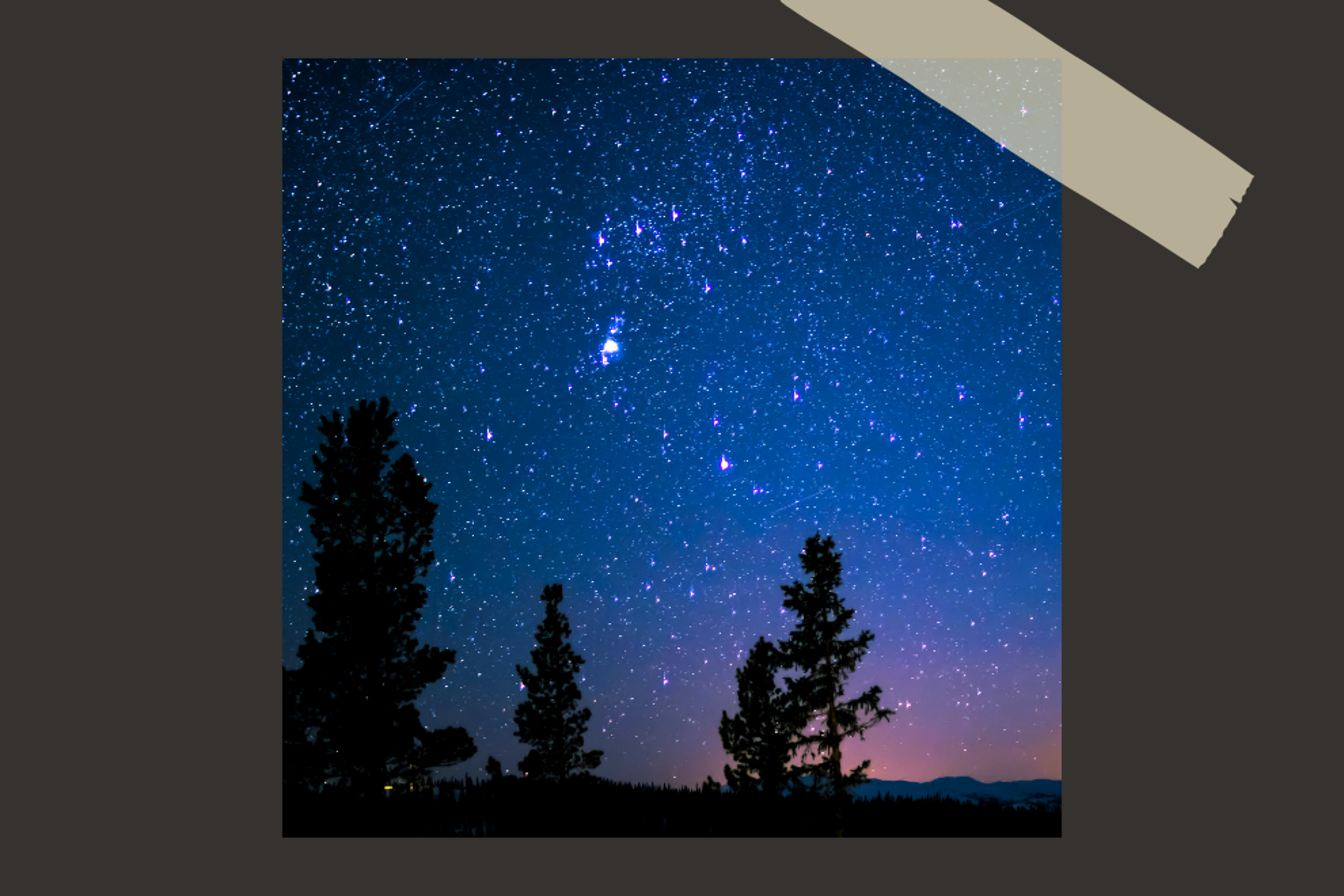 Photo courtesy of ©Sindre Fs from Pexels via Canva.com
Hoosier Pass, Colorado
Located just outside of the city of Breckenridge, Hoosier Pass is located more than 11,500 feet above sea level, making it an iconic high-alpine destination for night-time views. The crisp mountain air, broad horizons, and dark skies make it an ideal place to view the Milky Way from March through October. And in late summer, it treats stargazers to views of the Perseids.
The nearby town of Breckenridge became Colorado’s first mountain resort town to receive an International Dark Sky Community designation when it received the title in 2025.
Recommendations are independently chosen by the editors of 10BEST. Purchases you make through our links may earn us a commission.
 Photo courtesy of ©Mazin Omron from Pexels via Canva.com
Mammoth Lakes, California
Mammoth Lakes combines world-class outdoor recreation with impressive night skies, making it a great destination for meteor viewing. Surrounded by the Sierra Nevada Mountains and Inyo National Forest, the area is full of pullouts and lakeside viewpoints that make stargazing extra accessible.
Places like Mammoth Scenic Loop, Convict Lake, and nearby Mono Basin offer just a handful of options for night-time views.
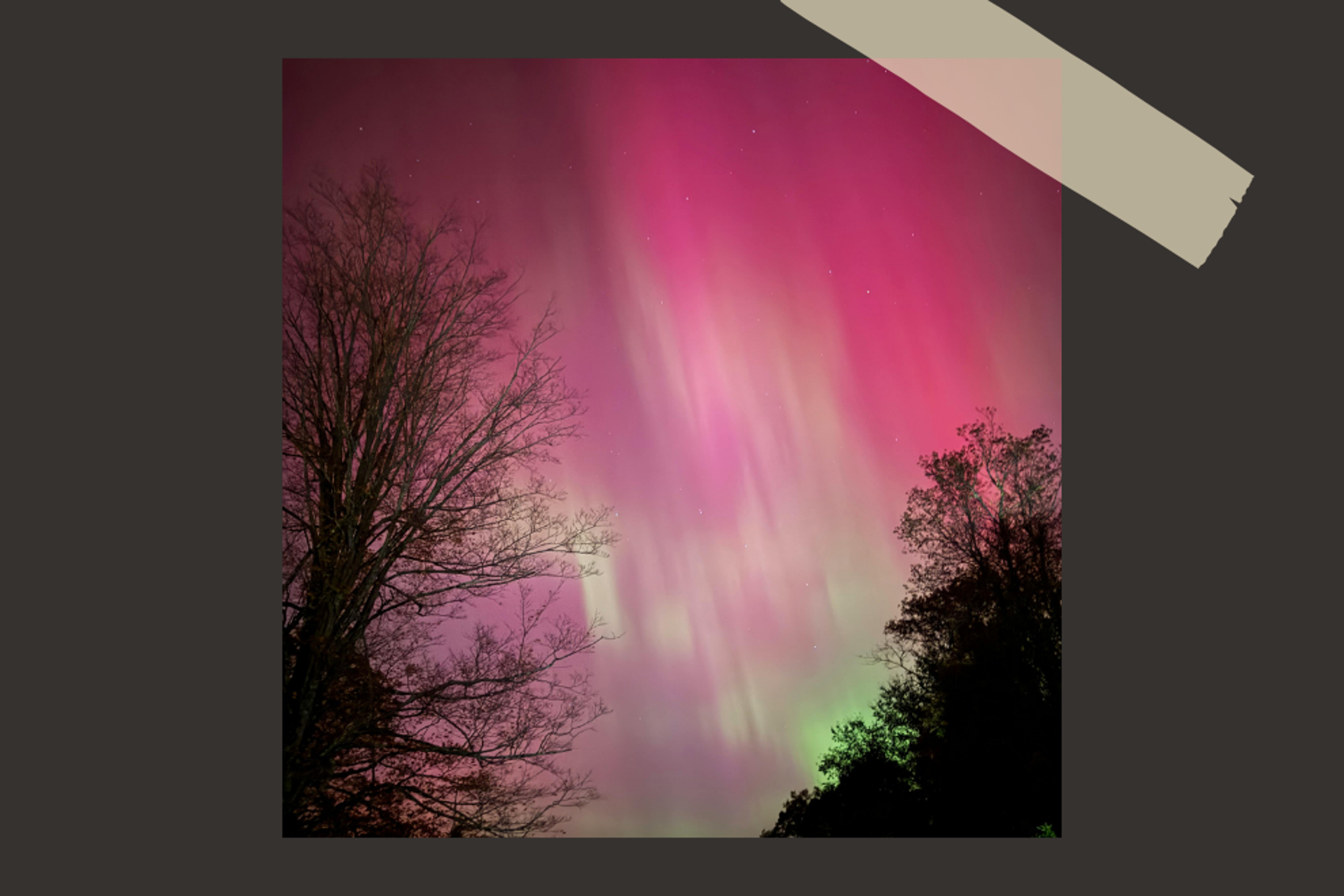 Photo courtesy of ©Eilidh Darling from Pexels via Canva.com
Acadia National Park, Maine
Maine’s rugged coastline and wide-open skies make Acadia National Park uniquely capable of offering visitors a beautiful place to view the Perseid meteor shower this year. While the park doesn’t have a formal dark-sky designation, it’s widely known as one of the darkest places along the east coast due to its location and distant proximity to major cities.
During the day, crowds often head to Cadillac Mountain for panoramic views of the surrounding area, but the summit of the mountain closes to cars at 10 pm. Locations like Schoodic Peninsula and Seawall offer quieter locations to watch the meteors blaze over the Atlantic Ocean.
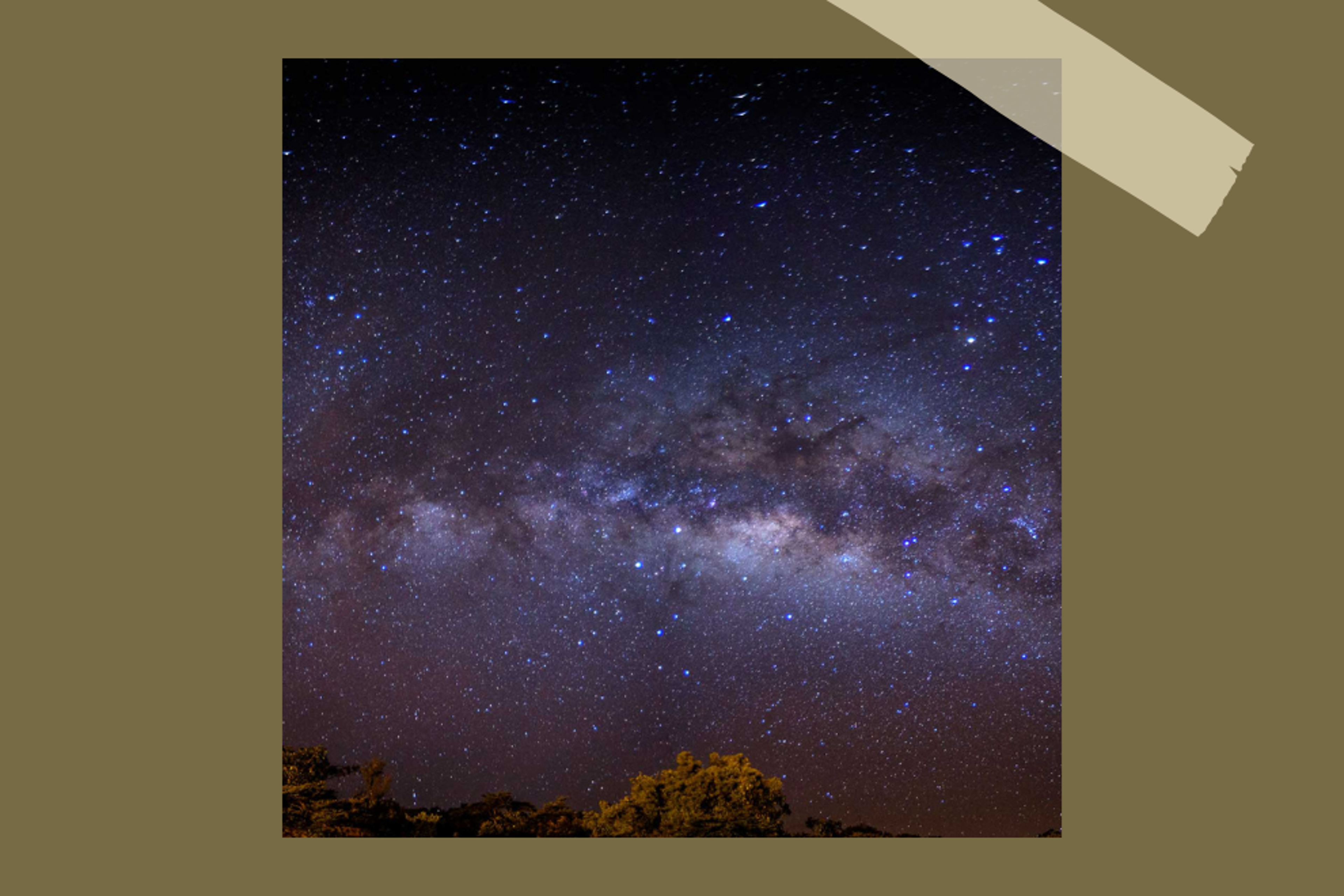 Photo courtesy of ©Luis Kuthe from Pexels via Canva.com
Medicine Rocks State Park, Montana
Often overlooked in favor of Yellowstone and Glacier National Parks, Medicine Rocks State Park is a hidden gem when it comes to Montana night views. Known for its 60- to 80-foot sandstone rock formations, the park is located on a wide-open prairie with little surrounding development that helped solidify its status as an International Dark Sky Sanctuary in 2020. The 330-acre primitive park also has a long history among Native Americans, since it was used for vision quests and gatherings for many years.
Recommendations are independently chosen by the editors of 10BEST. Purchases you make through our links may earn us a commission.
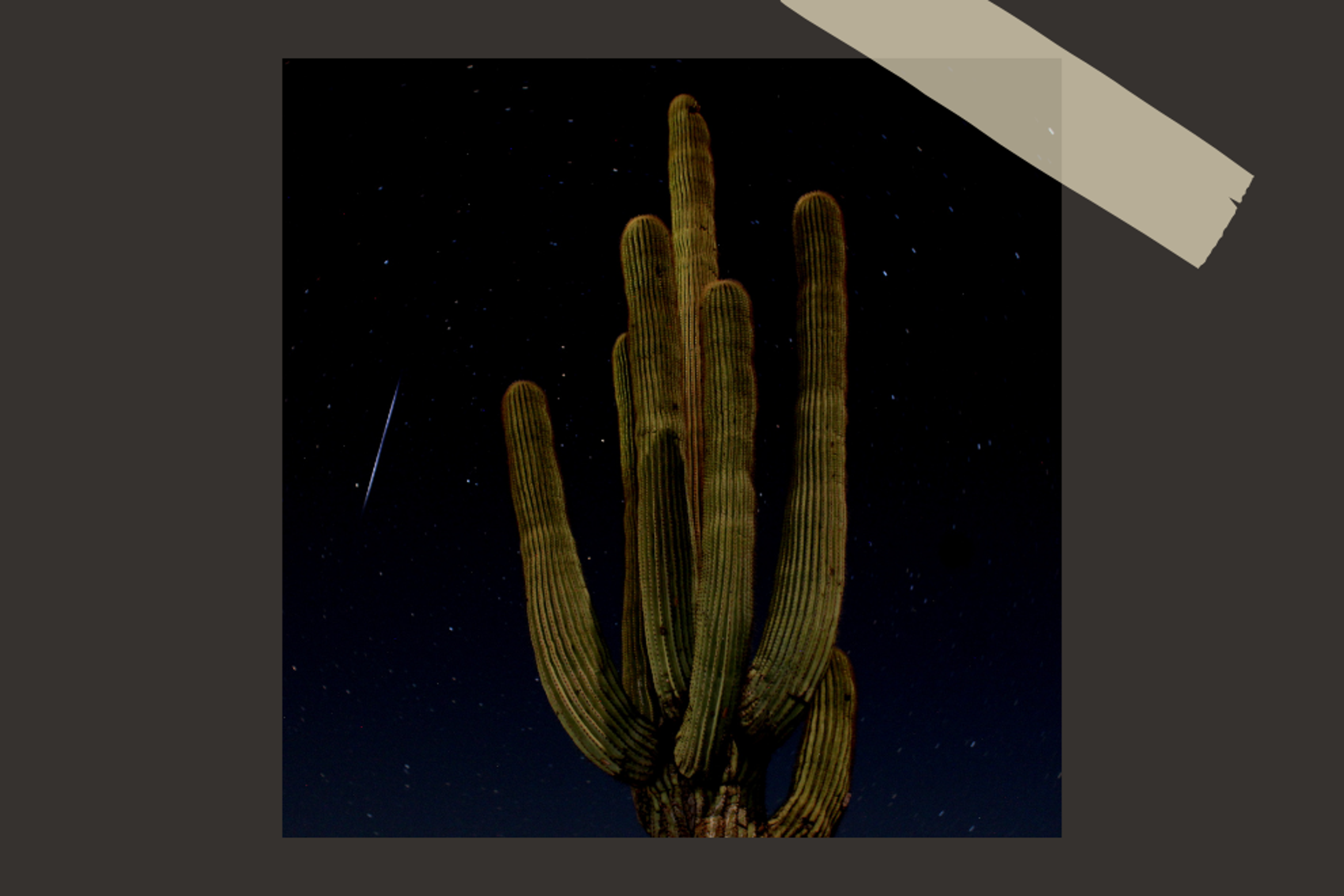 Photo courtesy of ©Jerry South from Pexels via Canva.com
Chiricahua National Monument, Arizona
Nicknamed “The Wonderland of Rocks,” Chiricahua National Monument is one of the most unique landscapes in the southwest due to its volcanic formations. The local Apache tribe has historically referred to the region as the “land of standing up rocks,” but it’s also one of the southwest’s best places for night skies.
Featuring towering rhyolite pinnacles and biodiverse desert flora and fauna, the monument’s elevation, dry climate, and distance from major cities creates excellent conditions for meteor shower viewing.
Recommendations are independently chosen by the editors of 10BEST. Purchases you make through our links may earn us a commission.