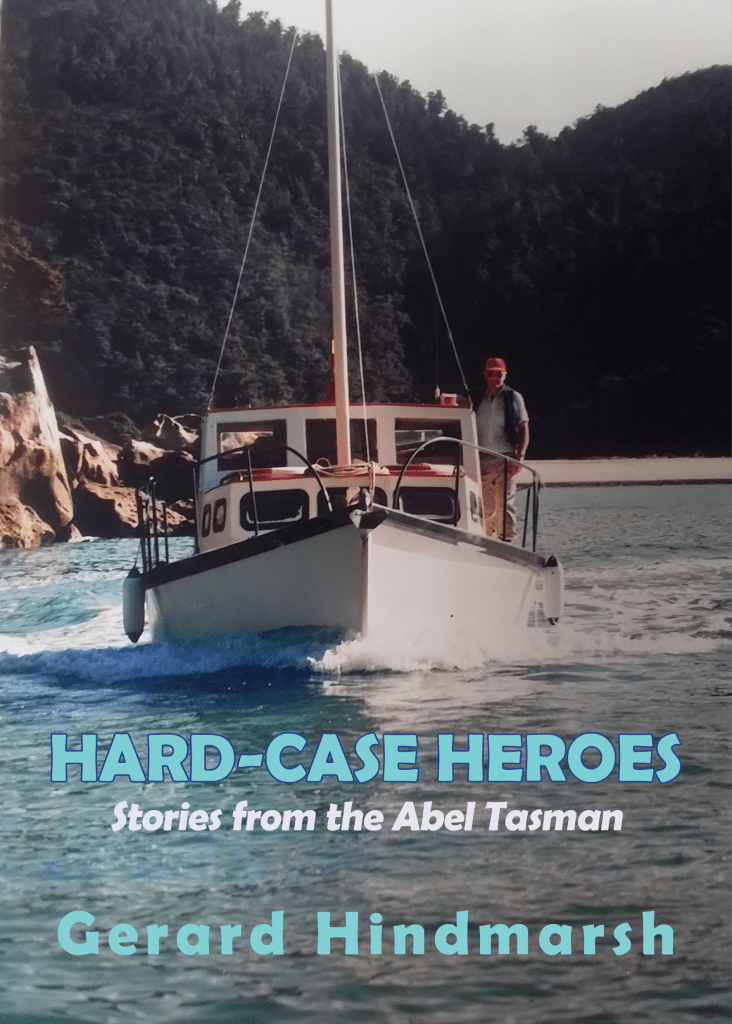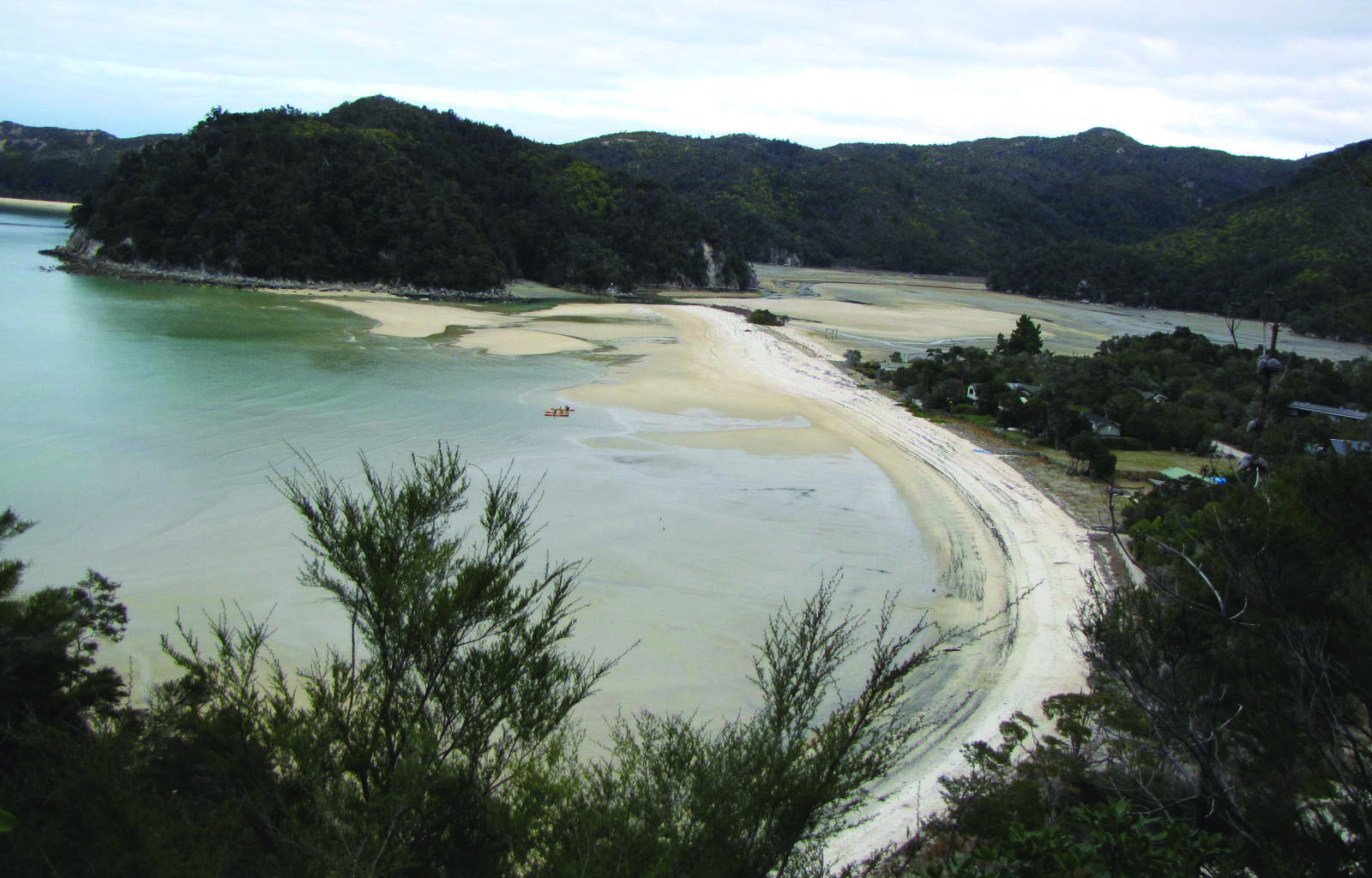
One of the very best stories, I think, in Gerard Hindmarsh’s wildly entertaining collection of stories in his new book Hard-Case Heroes, a compendium of yarns about characters, chancers, good Kiwi jokers, good Kiwi shielas and other otherwise uncelebrated folk who have lived in the sandy paradise of the Abel Tasman, is the one about the old fullah who retired in Nelson and developed an ingenious strategy for making pikelets.
Hindmarsh writes, “Every Friday morning, he got into the habit of making pikelets to deliver down to Stringer Engineering in Vickerman Street, for the workshop morning tea. As time passed Newt started losing his eyesight, but it didn’t stop him continuing the morning tea tradition, despite not being able to see when it was time to turn the pikelets.
“He developed a system that got around the problem – he would spoon the mixture into the frying pan, walk a couple of times up and down his hallway, return to the kitchen, flip the pikelets and do a couple more laps of the hall before removing perfectly cooked pikelets and repeating the process with the next batch.”
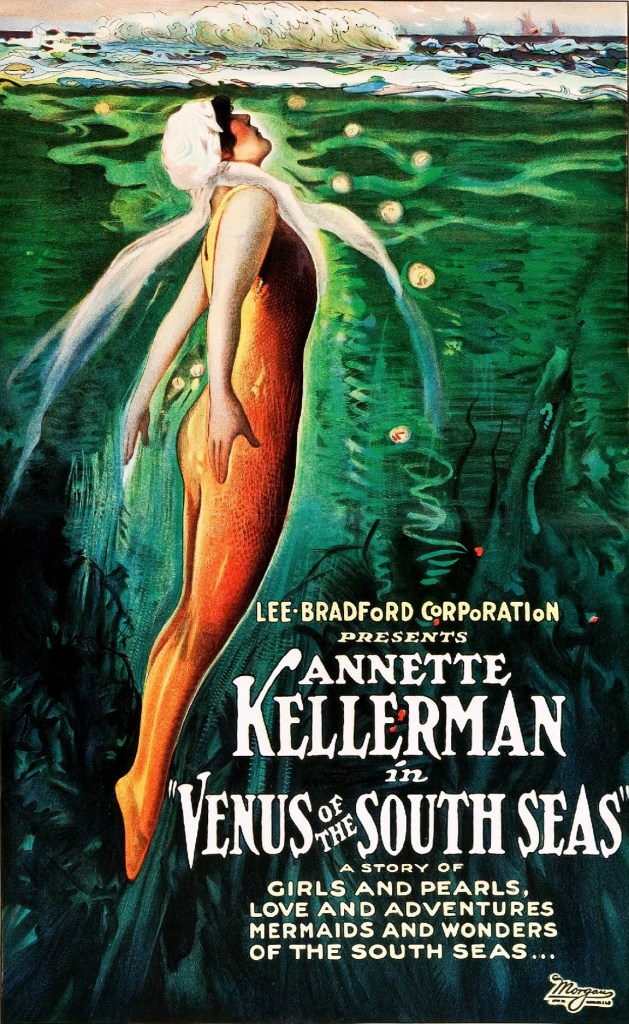
Bravo to top man Newt Nalder. He lived in Torrent Bay. He was a commercial fisher and ran charter boats. I loved this story that Hindmarsh tells about a movie I have never heard of but was foundational to our history of film: “It was Newt’s reputation as a very competent seaman
that got him hired on the first ever Hollywood movie filmed in New Zealand, called Venus of the South Seas. Featuring star American Olympic swimmer and ace diver Annette Kellerman, the movie was filmed in 1924 mostly around the dramatic limestone seacoast of Tarakohe.”
An awesome poster appears in the pages of Hard-Case Heroes.
An excerpt from the book will appear next week in ReadingRoom. It’s too good to abbreviate here but it involves gelegnite and a bach blown to bits. Great story, among so many other good yarns in Hard-Case Heroes. There are stories of murders and suicides. Olympic medallists and seething communists make cameo appearances. Strange facts pop up at unexpected times. “The world’s first hydraulic digger was almost certainly invented in Golden Bay,” Hindmarsh reveals.
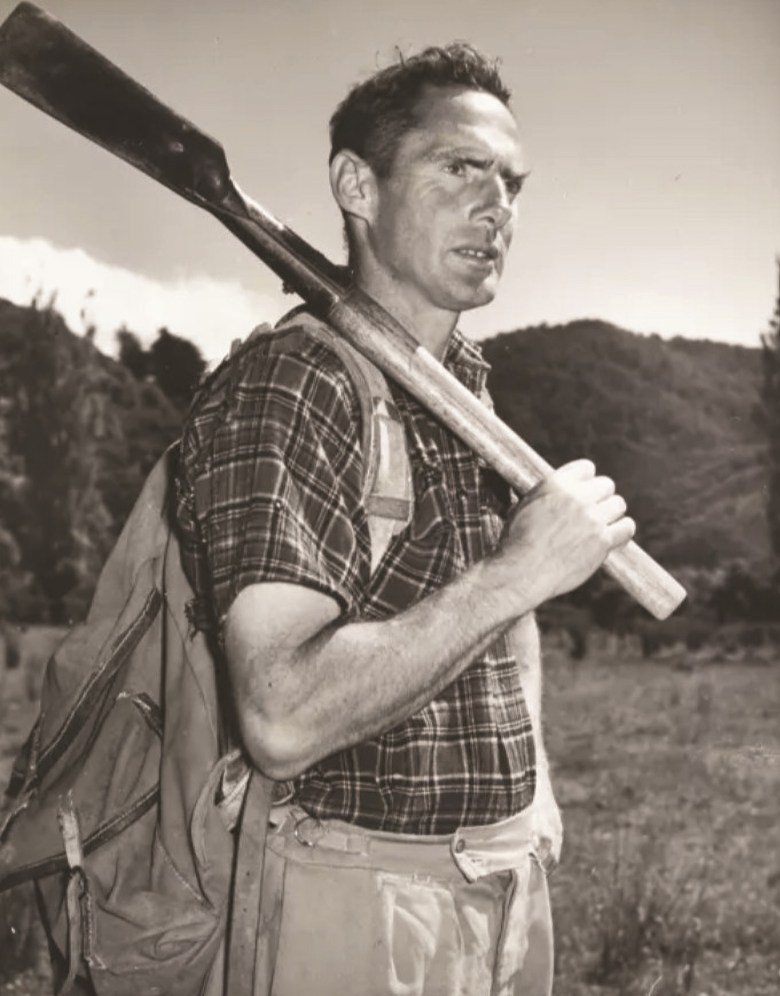
Throughout, the mood is outdoorsy and practical, pioneering and happy, good things being created by good people. Below is a magnificent portrait of Good Kiwi Joker incarnate, Max White, the first dedicated ranger appointed to Totaranui. He was responsible for connecting the Inland Track system and the building of Wainui, Moa Park and Castle Rocks Hut.
There are RAF pilots, ornithologists, drunks, rascals, fish, birds, beasts. I am shaken by this gothic incident: “An open door allowed six curious cattle beasts to enter the house, only to have the door shut behind them, leaving them to starve and die of thirst inside, but not before causing considerable damage.”
Hindmarsh knows his subject. He is an alternative lifestyler from way back who has explored the Abel Tasman region for nearly 50 years. He has a bach there, has fished and tramped and beachcombed there, scuba dived in the drink and flown over it. Perhaps he could cut back on his exclamation marks. More stories of women would be great. But he is a good listener and his heart is in the right place: it’s in the Abel Tasman. Lovely book, recommended.
Hard-Case Heroes by Gerard Hindmarsh (Swamp Press, $40) is available in selected bookstores nationwide, or order direct from the author.