
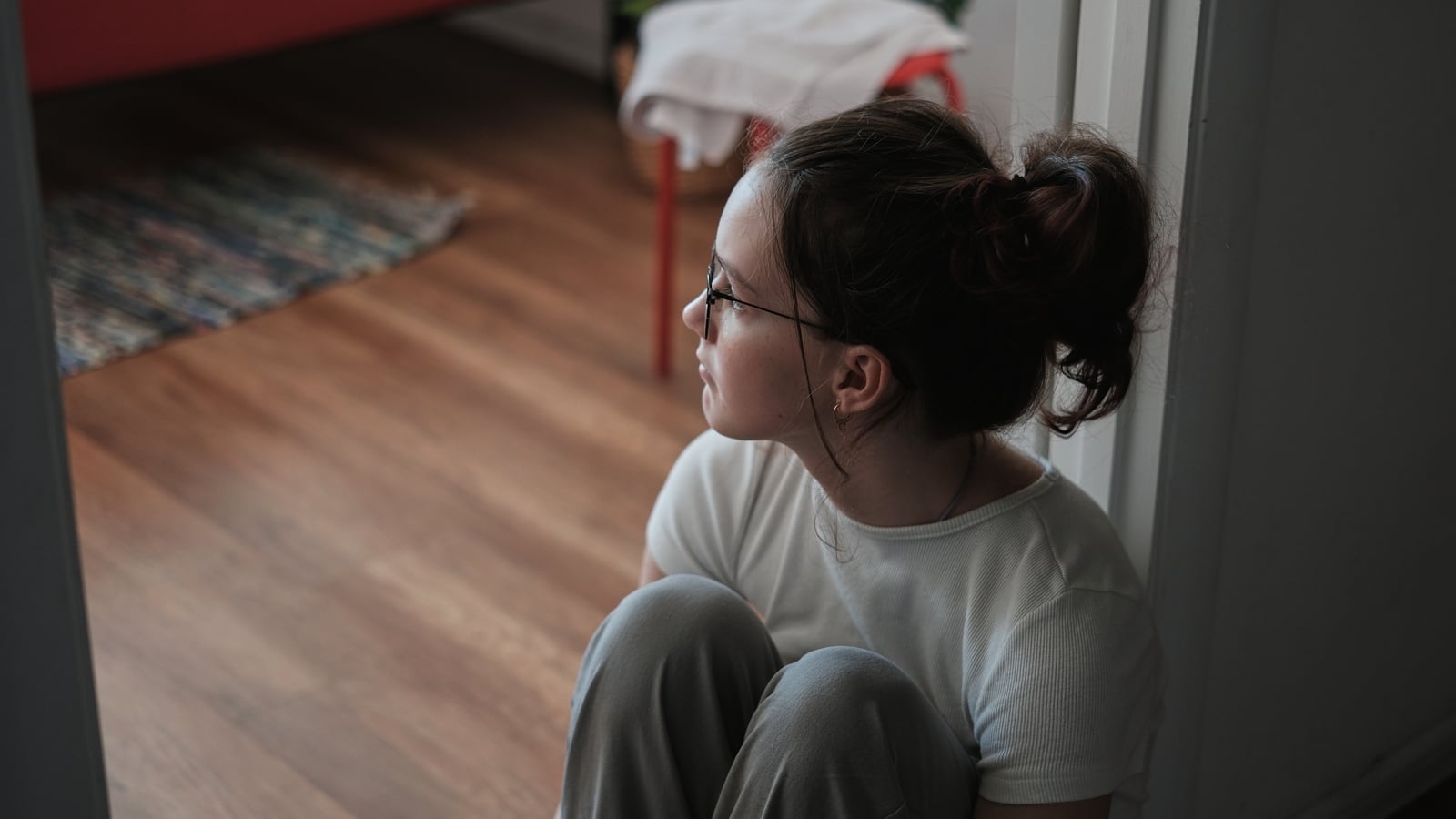
Counselling psychologist Niamh Delmar shares her tips for helping teens suffering from anxiety.
Anxiety disorders among adolescents are on the increase globally. The World Health Organisation asserts that they are the most prevalent disorders among children and teens. Conditions include generalised anxiety disorder, social phobia, panic disorder, agoraphobia, separation anxiety and agoraphobia.
It’s not all in the head. The amygdala in the brain, which triggers the fear response, is hyperactivated. Symptoms involve excessive worry, significant distress and impaired daily functioning. Common signs are irritability, difficulty concentrating, obsessing, withdrawal, avoidance, seeking reassurance, sleep disturbance and a range of physical issues.
While anxious young children tend to worry about external factors, such as disasters or something happening to loved ones, teenagers tend to worry about themselves, their performance, their bodies and their interactions with others.
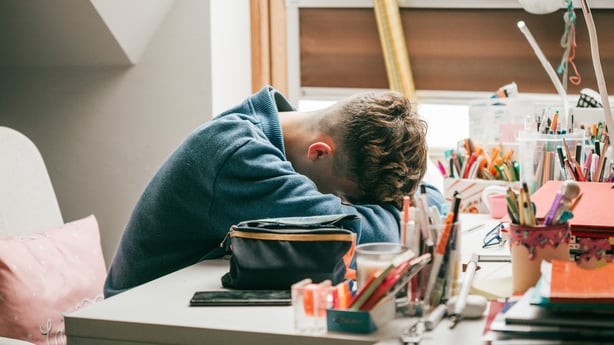
Their anxiety response could be activated by specific triggers and situations, or happen randomly. Research indicates that girls experience anxiety disorders more than boys. Anxiety is treatable and manageable, yet many teens cannot access professional help, or feel reluctant to do so. If untreated, the risk of mental health issues throughout adulthood escalates.
Contributing factors
Adolescent anxiety is multifaceted, encompassing biological, psychological and environmental factors. The brains of teenagers are developing, and hormonal changes are instigated. Genetic factors have also been identified, making some people more vulnerable to anxiety than others.
Personality types, expectations, ways of thinking and coping capacities can be protective or risk factors. Researchers have identified a link between perfectionism and anxiety. Stressful life events, parenting styles and negative school experiences are also associated with the development of anxiety disorders in vulnerable teens.
Bullying in particular has detrimental effects on adolescents and is a contributing factor to medium- and long-term anxiety symptomatology, as a result of ongoing psychological stress.

In a Children’s Mental Health Survey conducted by the Ombudsman for Children’s Office, over 70% of respondents reported academic pressure at school as reasons for depression and anxiety. This was followed by body image, friendships and social media pressures. Bullying, worries about the future and relationships with family were also listed.
The role of the digital world on teens has been found to have a significant influence on anxiety disorders among this cohort. There are many positive aspects of social media such as fostering connections, expression, entertainment and information.
Healthy or unhealthy social media usage varies among teens in regard to the type of content, time spent, maturity levels and circumstances. Problems arise with cyberbullying, fake information, intense comparisons and online abuse.
Brains have been rewired by digital usage. Teen brains have sensitive reward centres which social media usage activates, which can lead to screen dependency. For adolescents with anxiety, even just thinking about posting or checking responses can raise adrenaline.
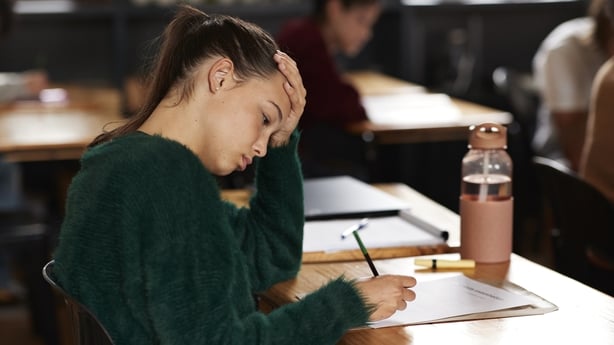
According to the American Psychological Association, the pressure of showcasing a positive online image can lead to stress and anxiety among teens as they are in the stage of identity formation and seek peer approval.
Research has found that children using social media in excess of three hours per day are more prone to developing anxiety during adolescence. Engaging late in the evening interferes with sleep and schoolwork. Emerging research shows that parental phone attachment can exacerbate anxiety and insecurity among children and teens.
Another contributing factor is the fallout from the pandemic. Studies have found an amplification of anxiety symptomatology during and post-pandemic. Prolonged lockdowns and school closures are associated with higher levels of anxiety disorders emerging. An intensification of digital usage arose as children and teens tried to connect.
Today’s teens grew up in a pandemic and are exposed to disasters, wars, distressing events and graphic images online. For some, re-entering school and social life was challenging, and there has been an increase in the reluctance to attend school.

Interventions
There are many ways teens can help themselves, with parents, schools and policies all playing a role. Early intervention is critical, so it is important children and teens feel they can talk and be heard. They need to acknowledge to themselves and others when symptoms are overwhelming and interfering with daily life. While friends and family may be a support, intervention by a mental health professional is needed.
Assessment leads to an accurate diagnosis, as other conditions can mimic anxiety and there may be an overlap with something else. The contributing factors above can be assessed and addressed.
Engagement in physical activities, involvement in interests and fostering healthy lifestyle habits enhance wellness. Cultivating optimism, healthy ways of thinking and staying out of the head is key.
Teens need to understand that their anxiety-provoking thoughts are not facts, and work on identifying whether their perceptions and interpretations are reality or anxiety. Developing healthy peer friendships and problem-solving skills can take the edge off anxiety levels.

A moderate digital diet with appropriate content will prevent a saturation of information and stimulation. In the Children’s Mental Health Survey conducted by the Ombudsman for Children’s Office, teenagers reported the most helpful supports: hobbies, sports and interests, more skills taught at school, mental health professionals in schools, dedicated teachers trained in Mental health, specifically, and Leaving Cert students to get more intensive support.
It can be stressful and concerning for parents with anxious teens. Meaningful conversations involve listening and not jumping in or being dismissive. Initiate a chat by mentioning what you notice and gently name what you are picking up, then check if it’s accurate.
Help your teen to feel accepted and understood. Your calm and empathetic presence is a tonic. Instil hope and mutually agree on a plan of action. Educate yourself on evidence-based symptoms and interventions. Try to make agreements about digital usage and explain the reasons behind them.

Parents are also powerful role models. School-based interventions and staff trained in mental health can be a resource for teens with anxiety. Having a “go-to person” and place and peer support are helpful.
Digital education, mental health information, and skills training for all are ways to foster wellness and create a culture that is inclusive.
Links with organisations such as Jigsaw and Psychological Services can be nurtured, and resources made available online and around the school.
Anxiety disorders among teens are treatable and can be managed effectively. Intervention and access to mental health supports need to be made widely available.
Spot the signs, learn about it, engage in regular conversations, and agree on a plan of action.
If you are affected by any of the issues raised in this article, visit https://about.rte.ie/ie/helplines/