
Among the Achilles’ heels afflicting our public spaces, sound deserves a dedicated comment. Often neglected by designers and architects, the acoustic environment that accompanies us through venues, bars, and restaurants is the snubbed, demoted element of the project.

View gallery
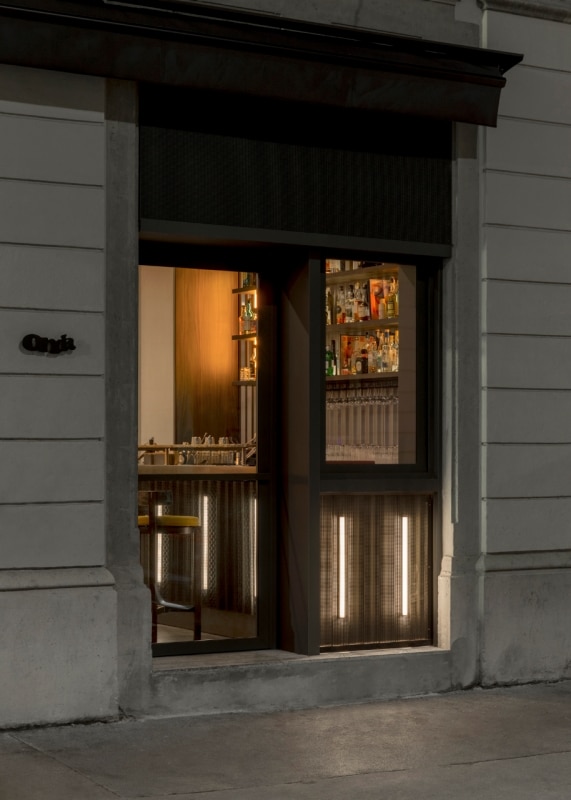
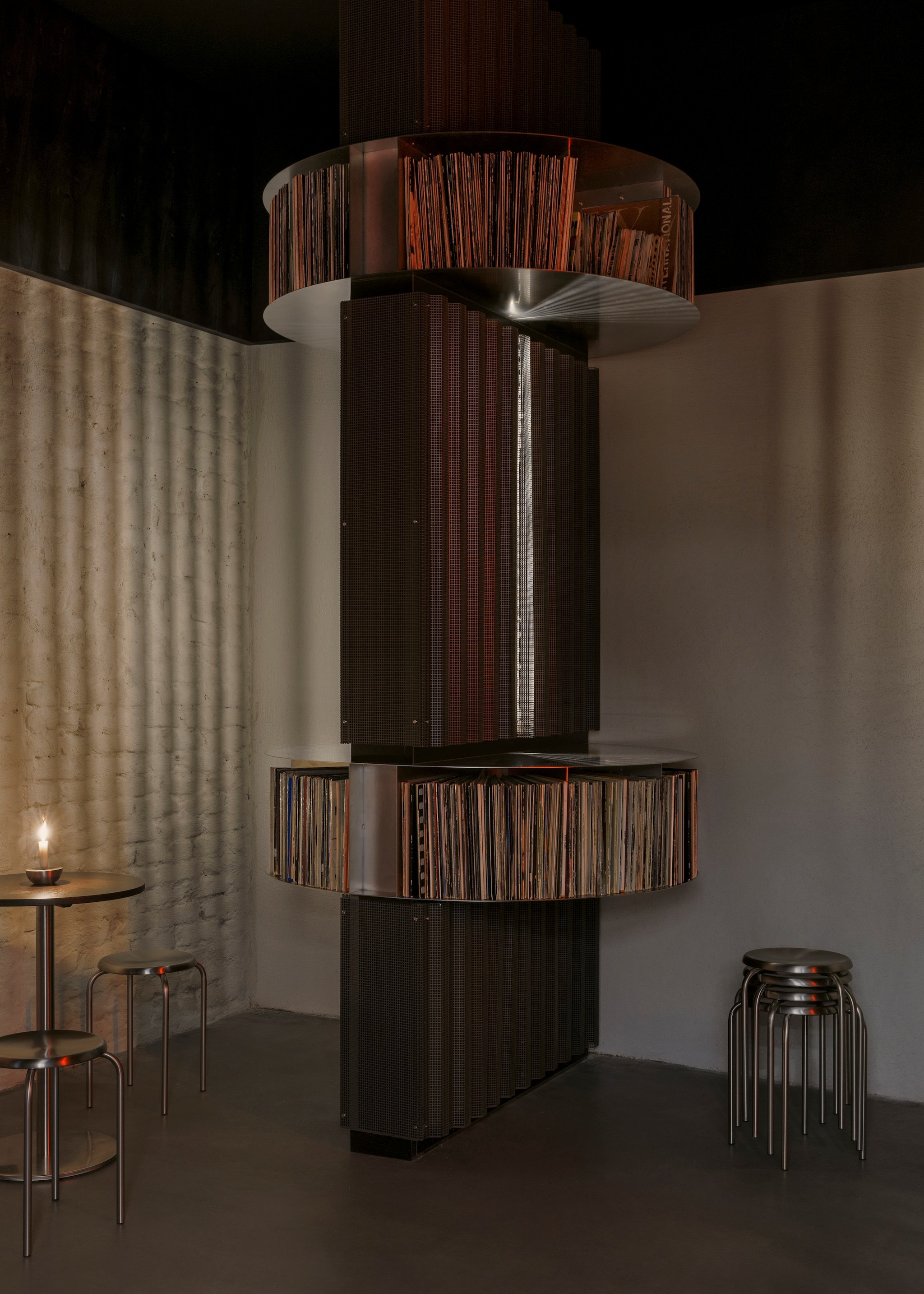
Onda Listening Bar, Via Bonvesin de la Riva, 3
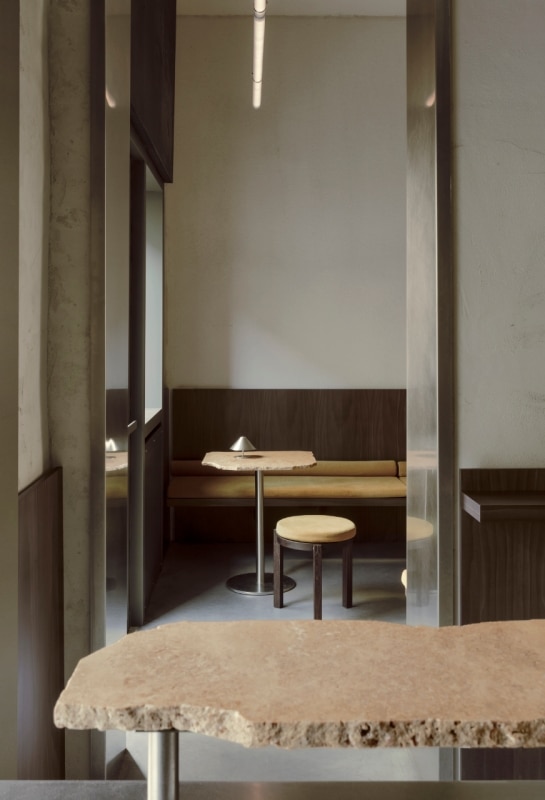
Onda Listening Bar, Via Bonvesin de la Riva, 3
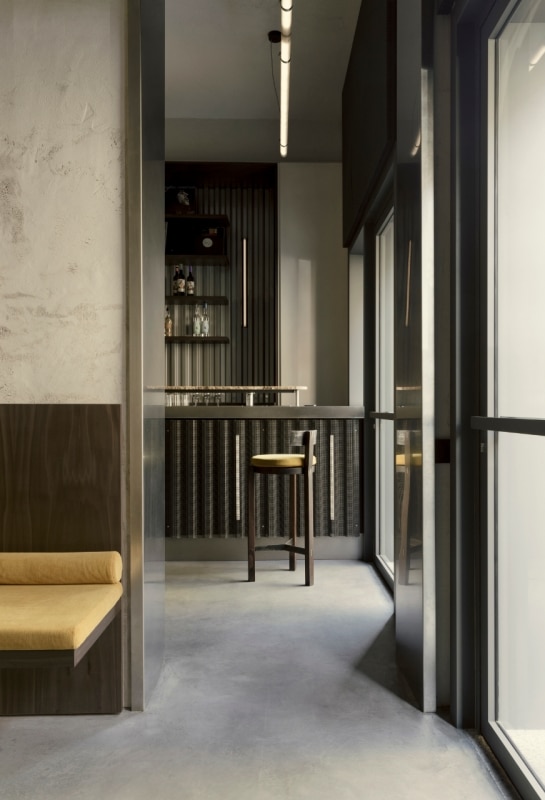
Onda Listening Bar, Via Bonvesin de la Riva, 3
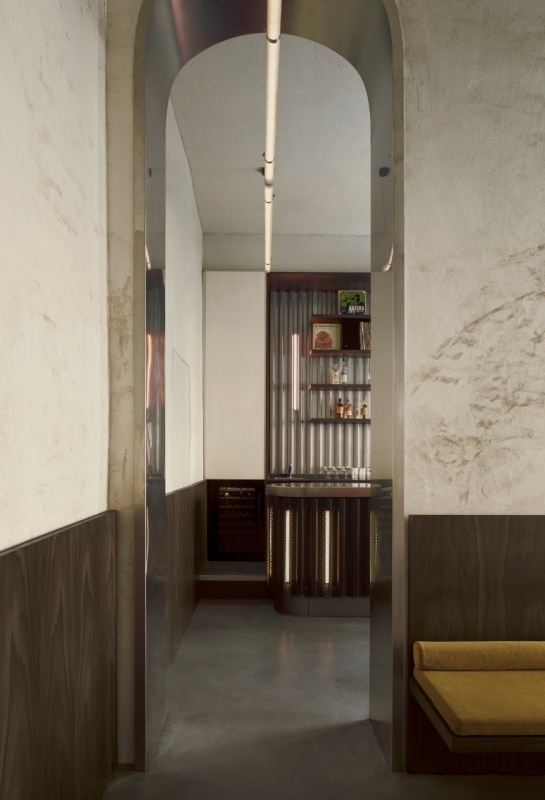
Onda Listening Bar, Via Bonvesin de la Riva, 3
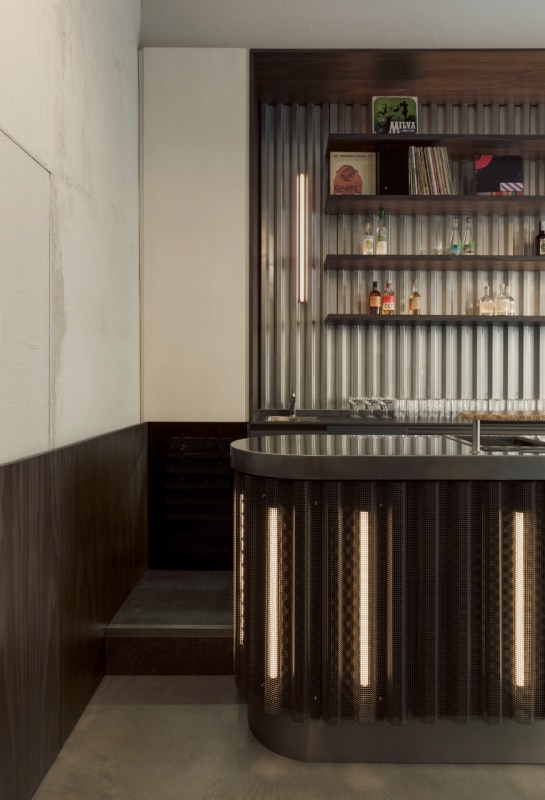
Onda Listening Bar, Via Bonvesin de la Riva, 3
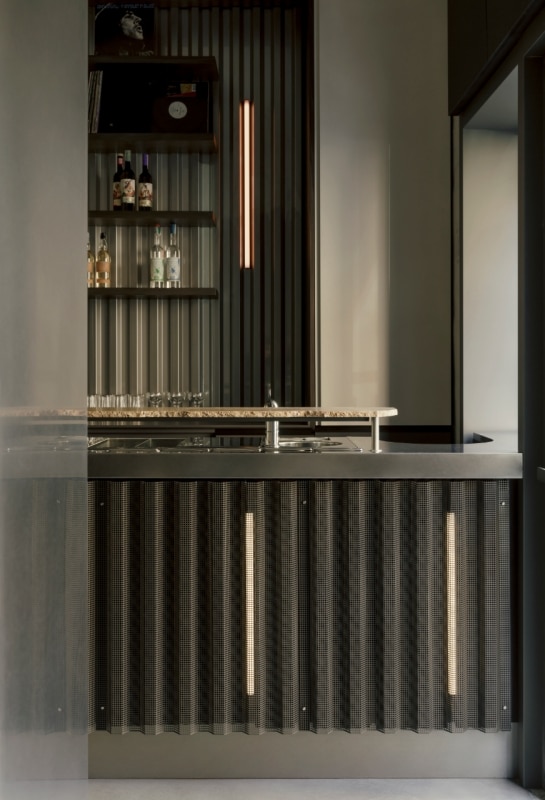
Onda Listening Bar, Via Bonvesin de la Riva, 3
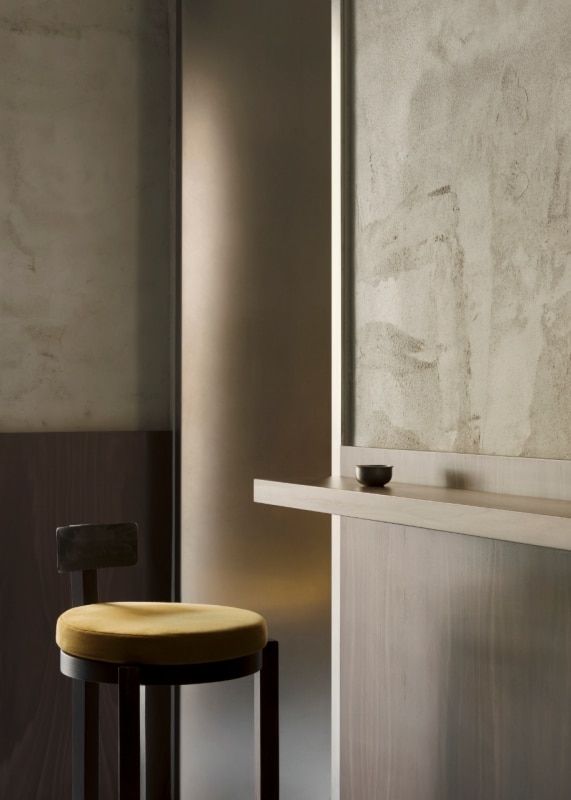
Onda Listening Bar, Via Bonvesin de la Riva, 3
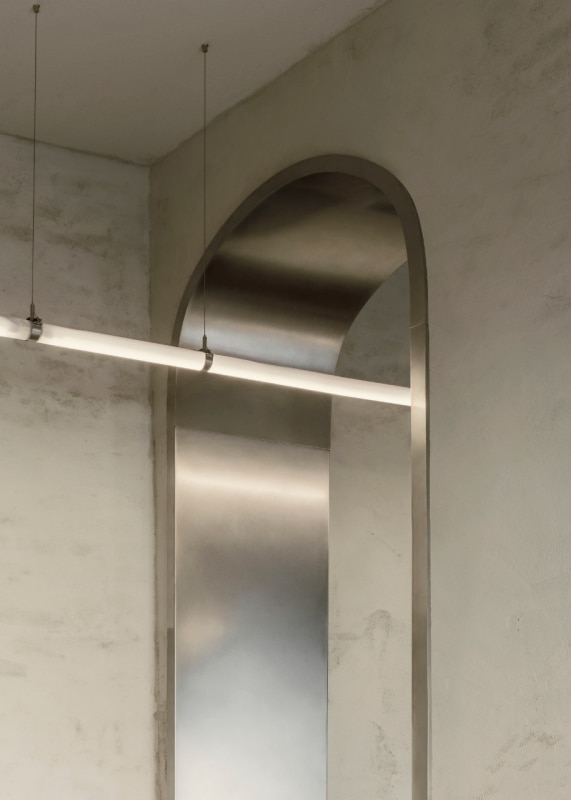
Onda Listening Bar, Via Bonvesin de la Riva, 3
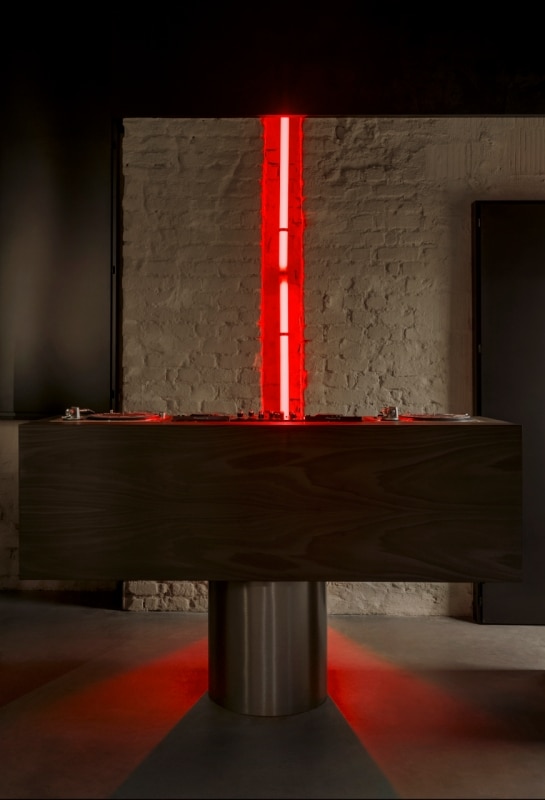
Onda Listening Bar, Via Bonvesin de la Riva, 3
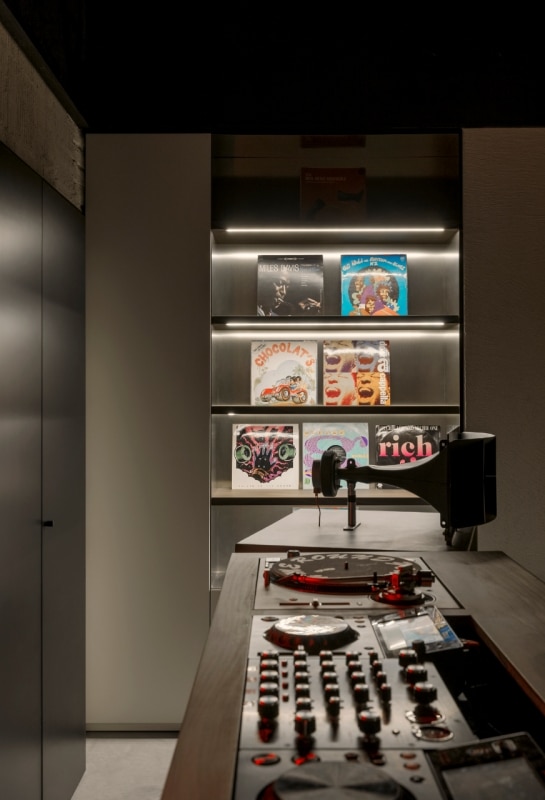
Onda Listening Bar, Via Bonvesin de la Riva, 3
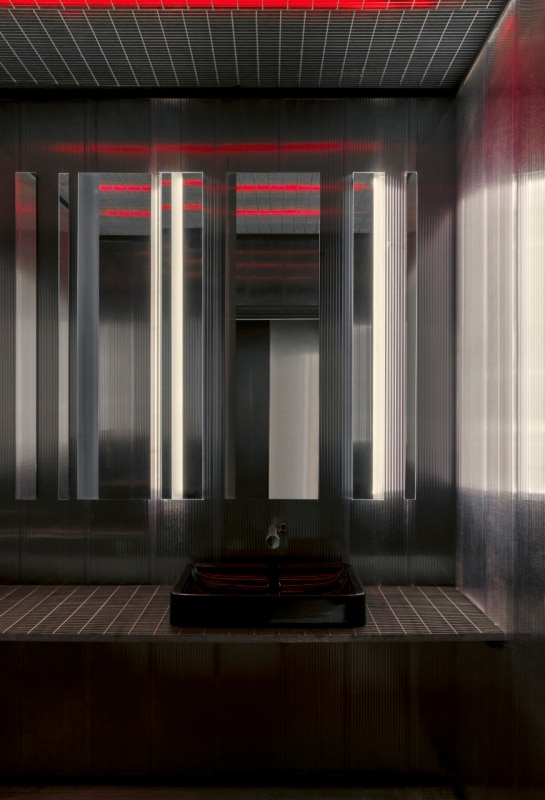
Onda Listening Bar, Via Bonvesin de la Riva, 3
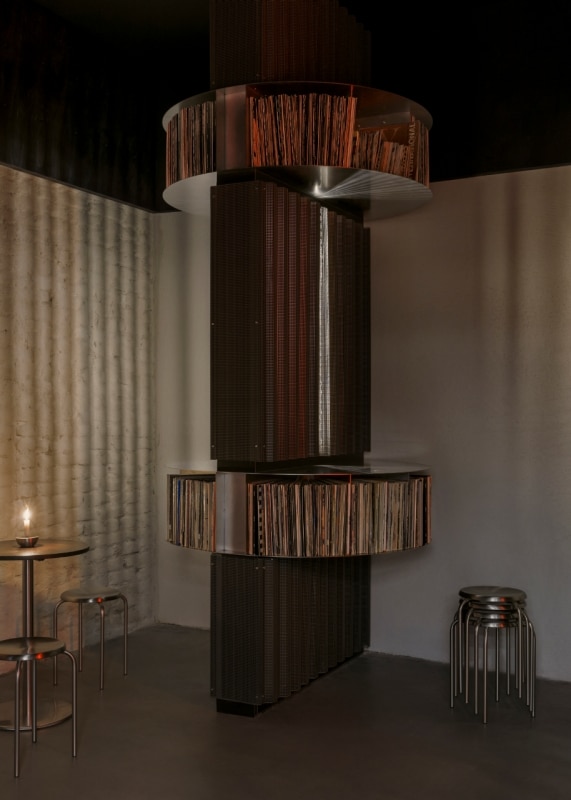
Onda Listening Bar, Via Bonvesin de la Riva, 3
Onda Listening Bar, Via Bonvesin de la Riva, 3
Onda Listening Bar, Via Bonvesin de la Riva, 3
Onda Listening Bar, Via Bonvesin de la Riva, 3
Onda Listening Bar, Via Bonvesin de la Riva, 3
Onda Listening Bar, Via Bonvesin de la Riva, 3
Onda Listening Bar, Via Bonvesin de la Riva, 3
Onda Listening Bar, Via Bonvesin de la Riva, 3
Onda Listening Bar, Via Bonvesin de la Riva, 3
Onda Listening Bar, Via Bonvesin de la Riva, 3
Onda Listening Bar, Via Bonvesin de la Riva, 3
Onda Listening Bar, Via Bonvesin de la Riva, 3
Onda Listening Bar, Via Bonvesin de la Riva, 3
This comes with consequences we rarely reflect upon out of habit, but which can be illustrated through a brief mental exercise: if we were to close our eyes and forget the—perhaps alluring—interior design that enticed us to cross the threshold, we would very likely find ourselves in a cacophonous, disturbing sonic universe. The grace that music or the spoken word can exert would have lost its welcoming capacity, its potential for ecstasy and care.
Overturning these expectations is a venue typology that has returned forcefully to prominence: the audiophile bar, or listening bar, following the English expression now adopted internationally. Doing justice to those who prefer—to borrow a famous definition by Friedrich Nietzsche—the Dionysian dimension, bound to musical ecstasy, over the Apollonian one associated with architecture and sculpture, the listening bar is redefining the way we experience venues.
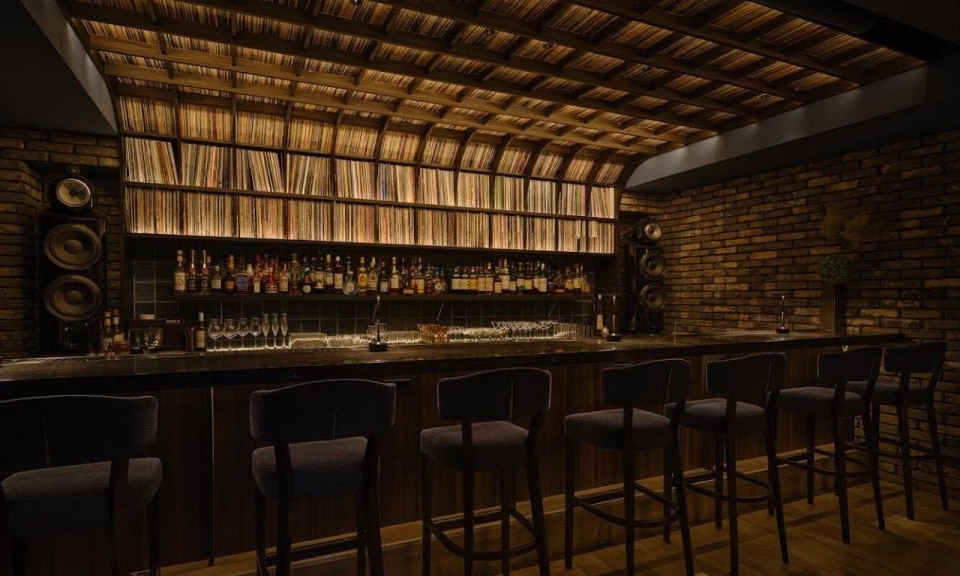
A10, Tokyo, Japan. Photo via TripAdvisor
Here, sound quality imposes itself as both an aspiration and a mission. To support it, space changes its attitude and becomes the epicenter of a new collective ritual, sometimes renouncing flashy or maximalist layouts, sometimes adopting polished configurations in line with the promised acoustic harmony.
From Japanese jazz clubs to contemporary listening bars
The contemporary rediscovery of the listening bar looks back at a format boasting a century-old history. It was in Japan, starting in the 1930s, that audiophile bars began spreading as an essential destination for local jazz enthusiasts. In those years, vinyl records were rare commodities, while the sounds arriving from the West became an exciting ground for discovery after centuries of cultural isolation.
This is how the jazz kissa—the ancestor of the listening bar—helped establish a golden rule that remains the dividing line between authentic audiophile bars and those merely riding the trend. In jazz kissa, chatter falls silent to make room for a focused, almost religious experience. Technology and silence become the corollaries protecting the intentionality of listening and preserving its quality.
A century later, Japan remains the guardian of some of the most demanding audiophile expressions. Among the Tokyo venues that paved the way, Grandfather’s represents its purest archetype: lighting is dimmed, with shadow taking clear prevalence. While the bar counter and high stools might recall a very spartan American bar, it is the high-fidelity stereo system that dominates the scene, alongside abundant vinyl records lining the walls as the sole decorative touch.
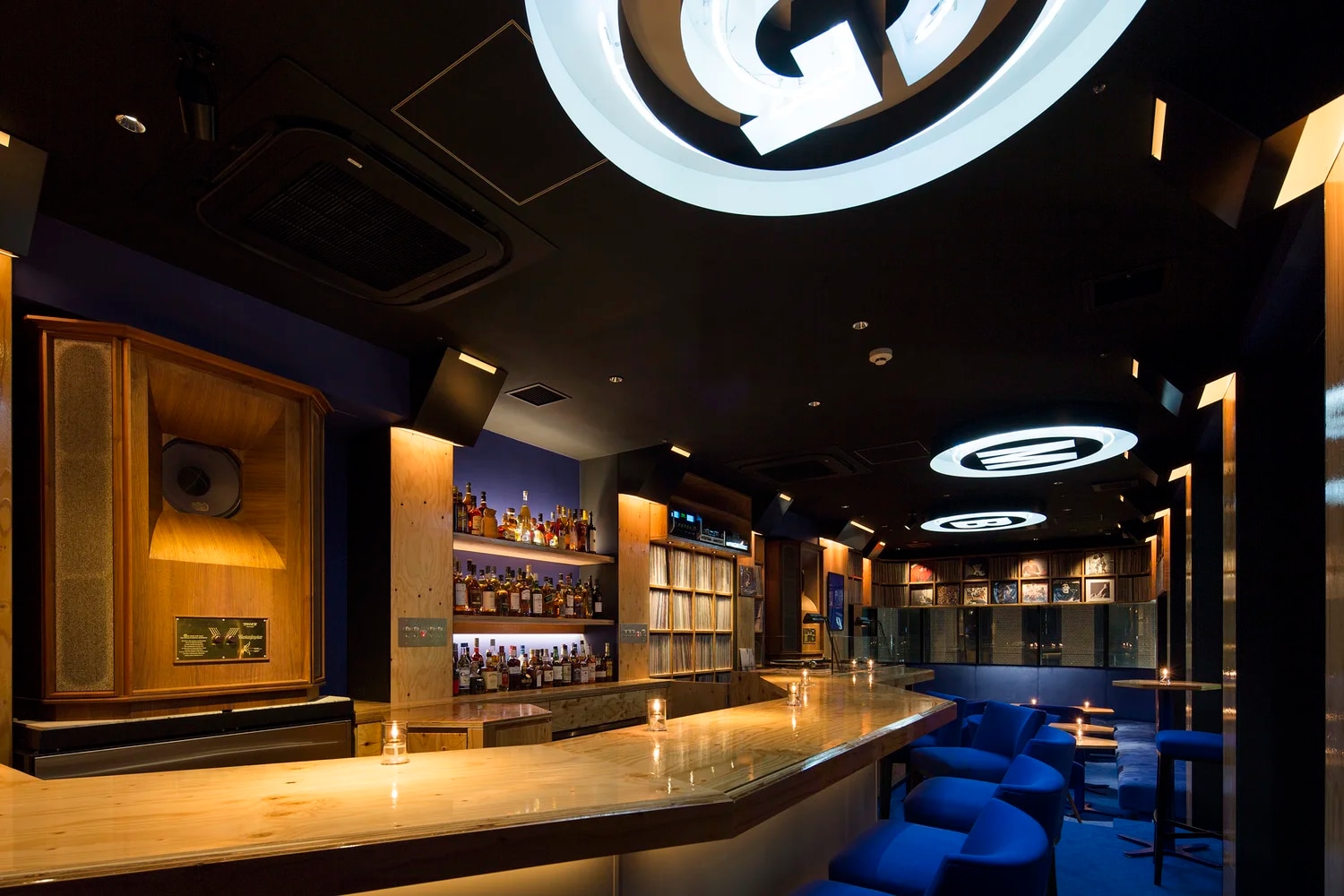
Ginza Music Bar, Tokyo, Japan. Photo courtesy of Ginza Music Bar
In more recent venues, such as A10, this setup remains uncompromised. Here, the speakeasy formula—the entrance is concealed by a luggage cabinet—makes the atmosphere even more intimate, accommodating around thirty guests in total. Conversation remains discouraged, also due to the relatively high volume of the tracks played, while meticulously curated mixology caters to sophisticated palates, opening the door to new synesthesias during listening.
When the format arrives in Europe and the United States
Only recently imported to the United States and Europe, listening bars are undergoing a small metamorphosis. The hybridization of different cultural sensitivities renders the typology more multifaceted and the rule of silence less binding. Their rapidly increasing numbers seem driven by the desire to share analog moments, particularly among Gen Z.
Food is no longer banished from the offering, with restaurant sections beginning to make an appearance. In some cases, the practice of listening is integrated into a broader cultural program.
Here, sound quality imposes itself as both an aspiration and a mission. To support it, space changes its attitude and becomes the epicenter of a new collective ritual.
At Public Records in Brooklyn, the listening bar is just one element of an operation ranging from vinyl sales to vegan dining. All this without sacrificing the primacy of acoustics: in the “Sound Room”—the section specifically designed for the listening experience—cutting-edge sound engineering is supported by materials chosen for their acoustic properties. The aesthetic, free from saturated colors or flamboyant shapes, prefers a neutral status quo, while foot traffic is planned to prevent noise or disruption.
Sound no longer excludes interior design
Not all iterations of listening bars aim for such neutrality, however. Without abandoning a minimalist orientation, several recent projects accentuate the quality and rendering of the material setup, even concerning visual and tactile stimuli, proving that a beautiful space and good sound can find common ground.
In Barcelona, Jaç Hi-Fi Café, which opened last year, offers an exemplary alignment between musical and architectural sophistication. Designed by Isern Serra Studio, the project brings together steel, wood, and microcement in a warm minimalism.
On the walls, walnut paneling with bold, curved profiles aids acoustic optimization while serving as storage for speakers and records, as well as a mount for wall sconces. In the center, a custom brushed-steel table contributes to a more demanding material dialogue and a more defined sculptural presence.
In Italy, the listening bar meets gastronomy
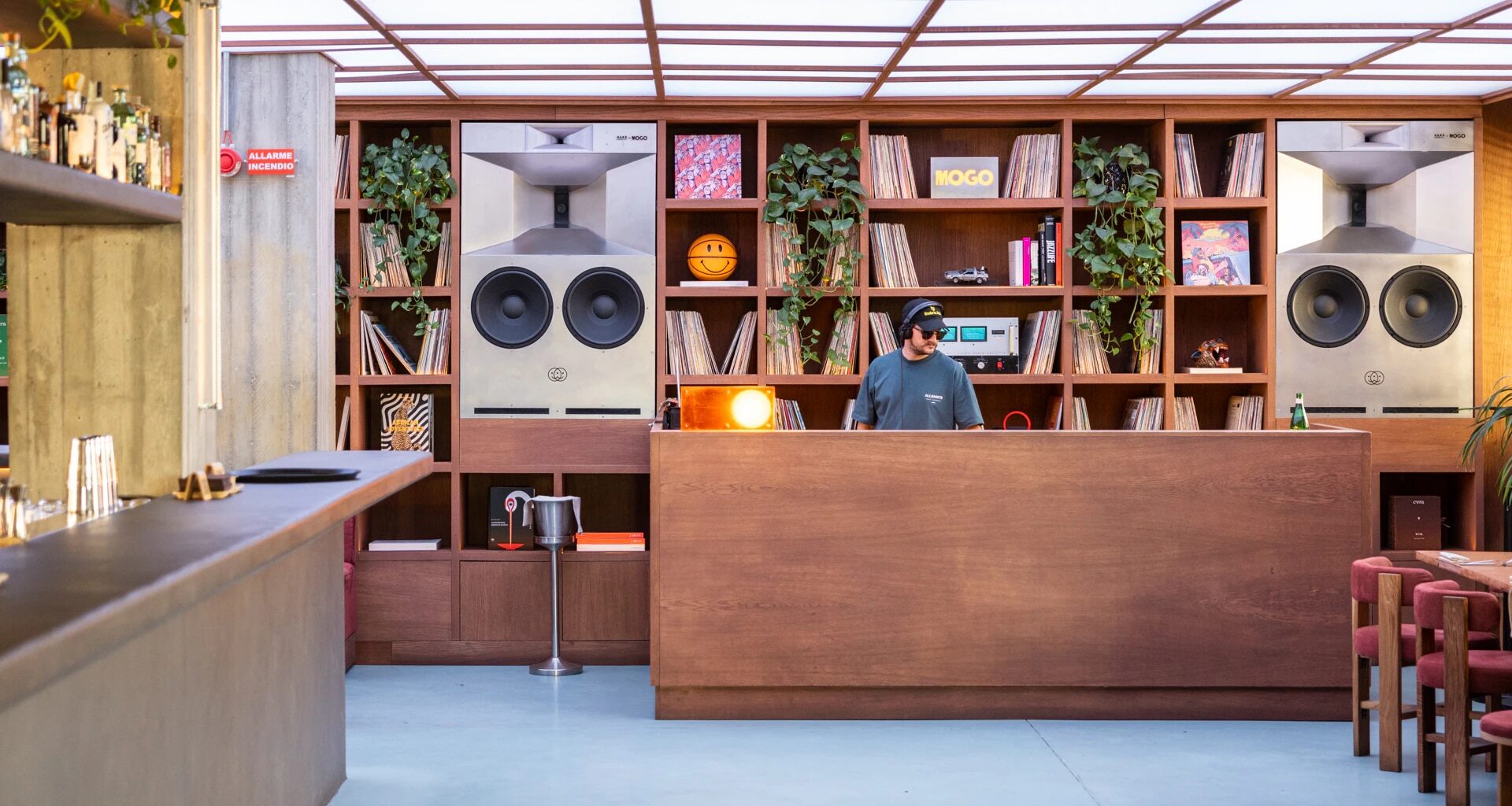
In Italy, the nation’s gastronomic reputation creeps into these new venues dedicated to sound. Opened in 2025 and designed by Giorgia Longoni Studio, MOGO is a Hi-Fi bar & dining venue that pairs the audiophile experience with a culinary one. The interior architecture departs from the canon of restraint to embrace bolder colors, such as blue flooring and velvet upholstery in shades of green and red, while the materials diversify to include burl wood accents.
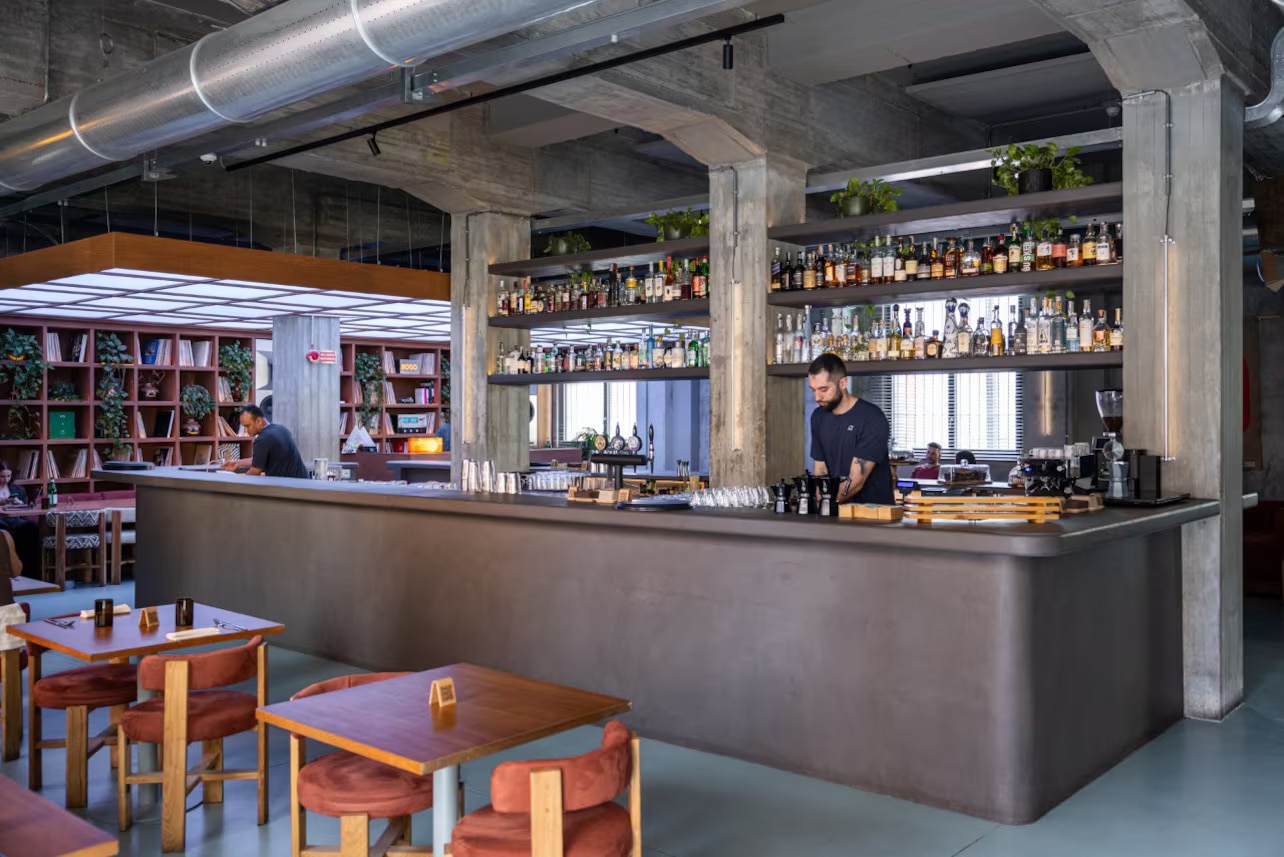
Giorgia Longoni Studio, Mogo, 2025, Milan, Italy. Photo by Guido Rizzuti
The custom, artisanal hi-fi system was crafted by H.A.N.D. (Have A Nice Day) Hi-Fi, while musical curation is entrusted to the Polifonic festival and independent label BSR. In the private room, lined with moss-green carpeting, listening feels like an intimate concert to be enjoyed barefoot.
From an audiophile bar to a cultural hub
Recently opened in Rotterdam to a design by CLOUD, Echo was conceived as a hub using the audiophile experience as a foundation for bringing together local and international communities. The space, inspired by Nordic minimalism with balanced brutalist and hyper-contemporary accents, features a custom system built by Form Follows Frequency and presents a program focused on immersive listening.
View gallery
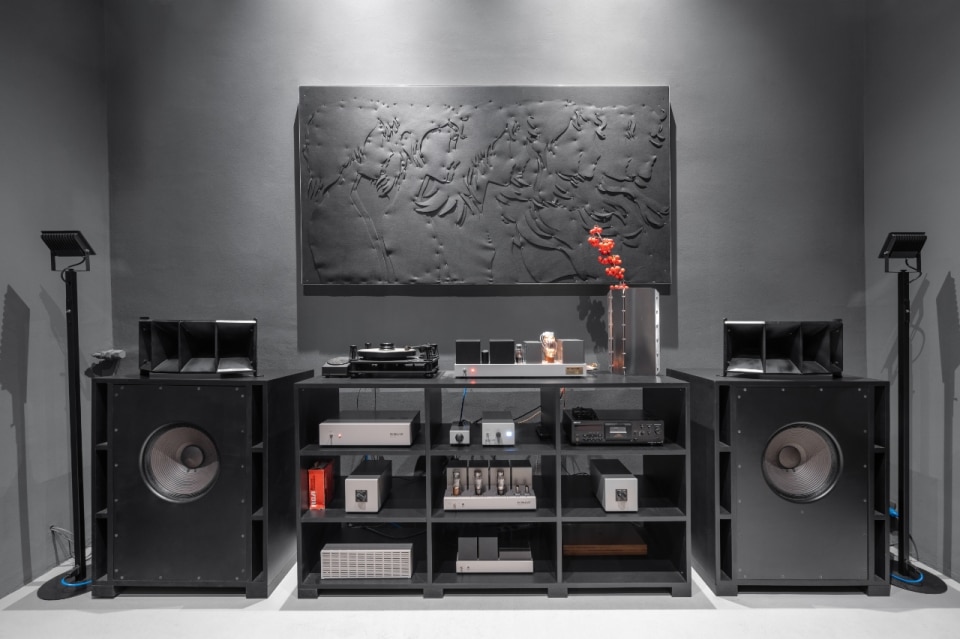
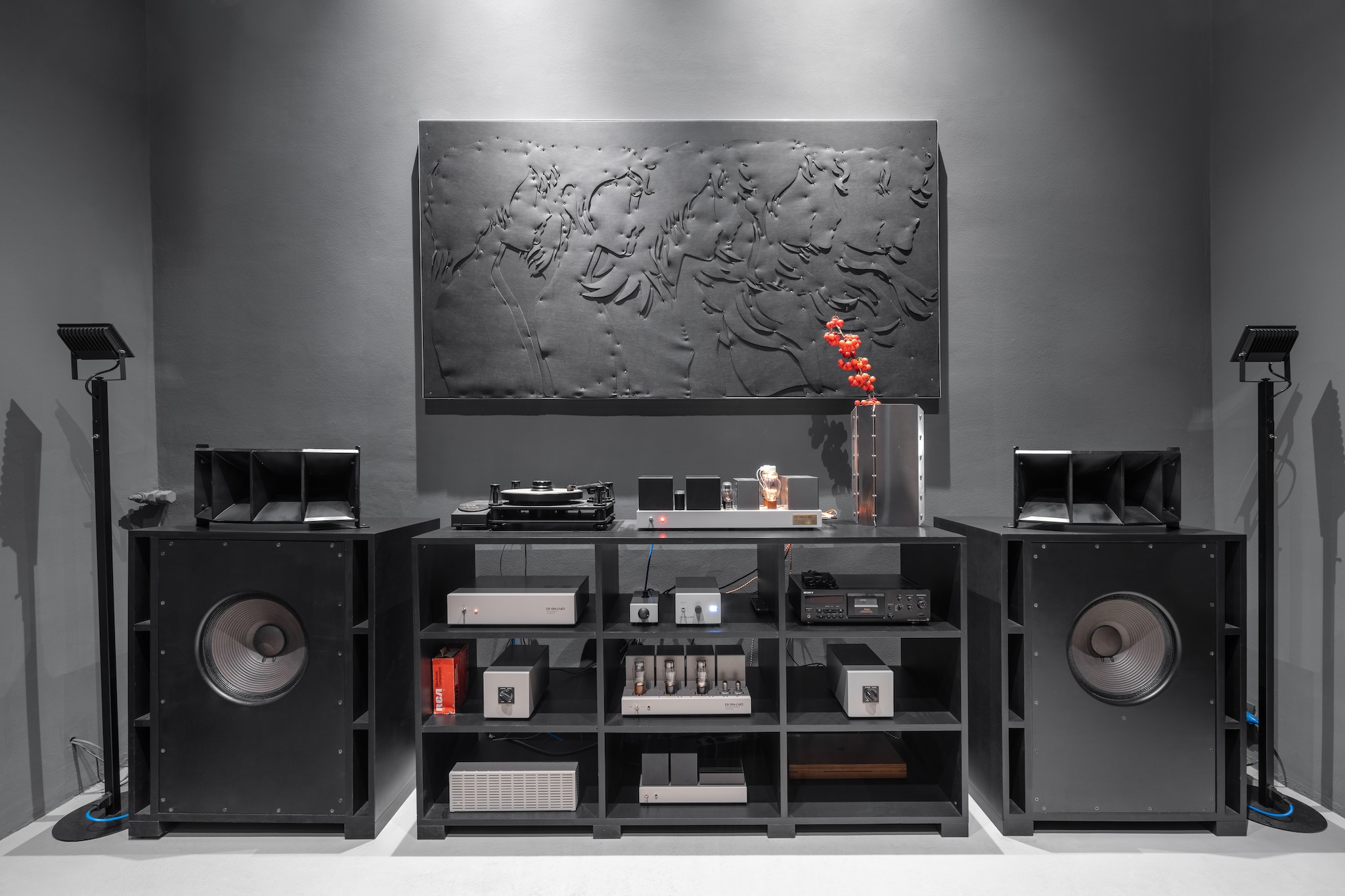
Bene Bene Bar, Via Giovanni Battista Morgagni, 31
Photo Delfino Sisto Legnani
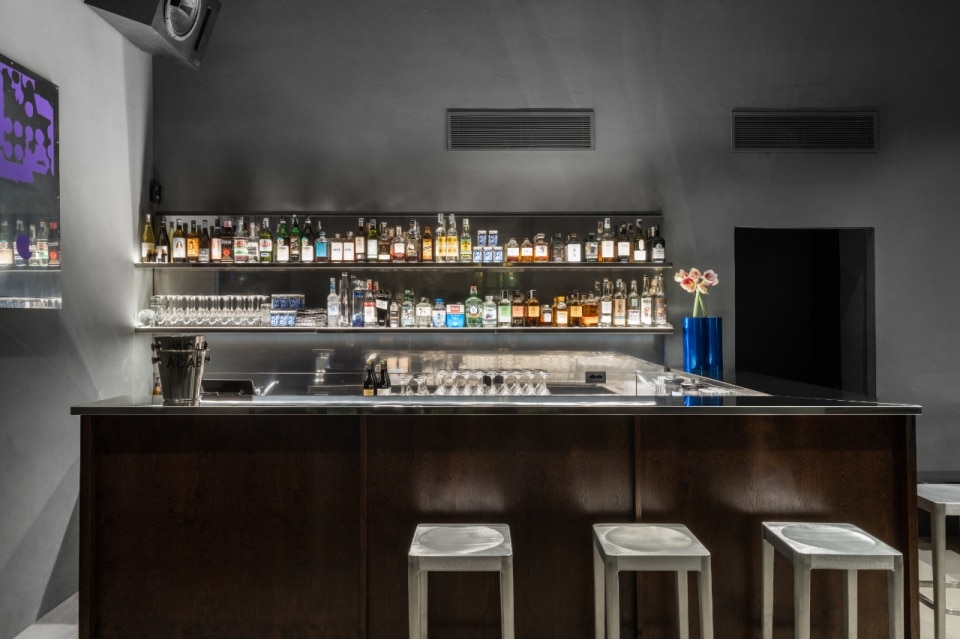
Bene Bene Bar, Via Giovanni Battista Morgagni, 31
Photo Delfino Sisto Legnani
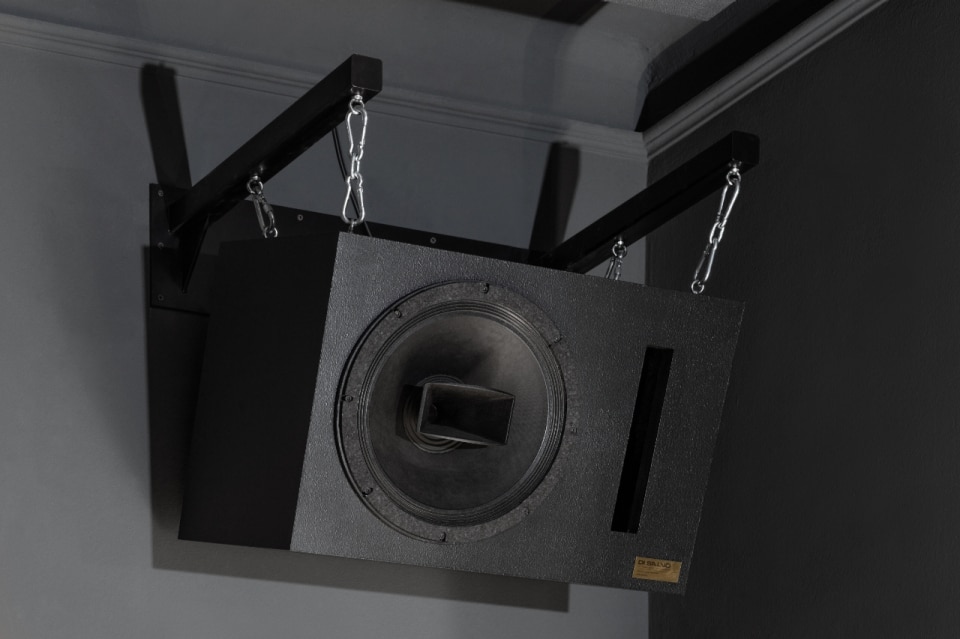
Bene Bene Bar, Via Giovanni Battista Morgagni, 31
Photo Delfino Sisto Legnani
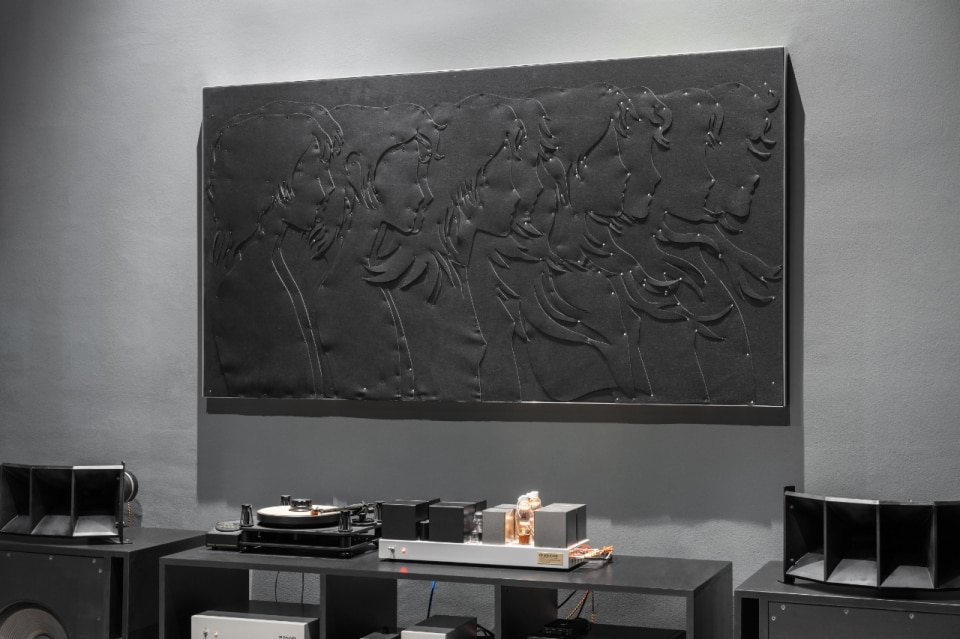
Bene Bene Bar, Via Giovanni Battista Morgagni, 31
Photo Delfino Sisto Legnani

Bene Bene Bar, Via Giovanni Battista Morgagni, 31
Photo Delfino Sisto Legnani
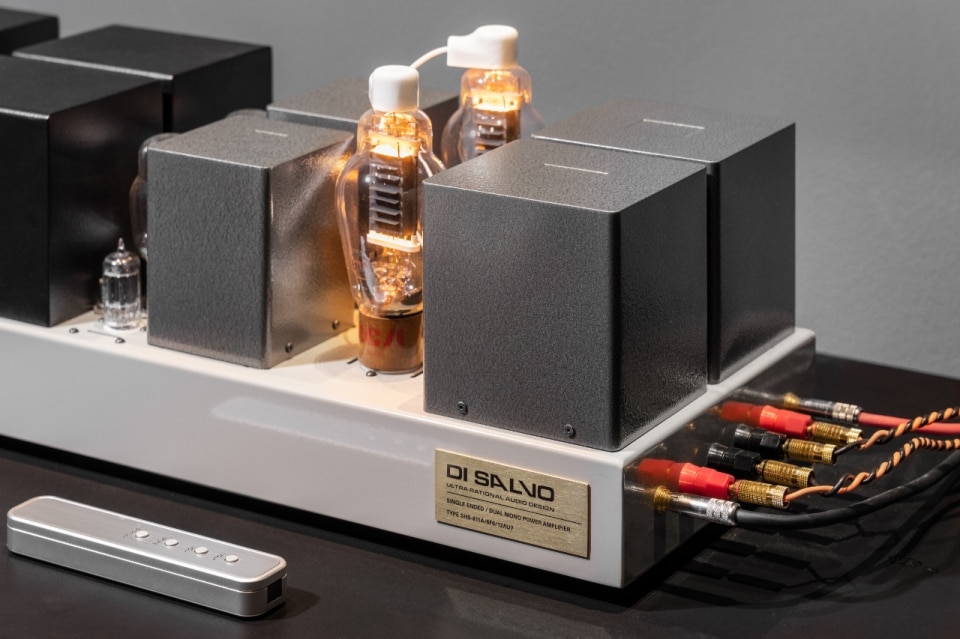
Bene Bene Bar, Via Giovanni Battista Morgagni, 31
Photo Delfino Sisto Legnani
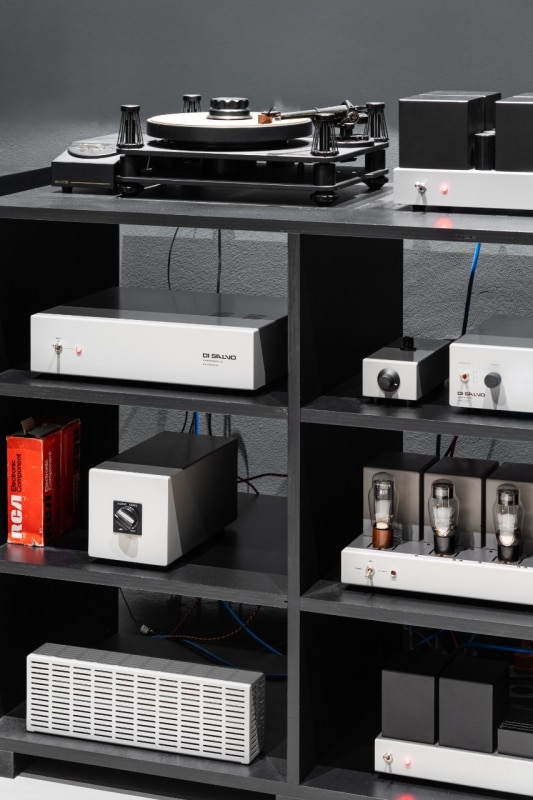
Bene Bene Bar, Via Giovanni Battista Morgagni, 31
Photo Delfino Sisto Legnani
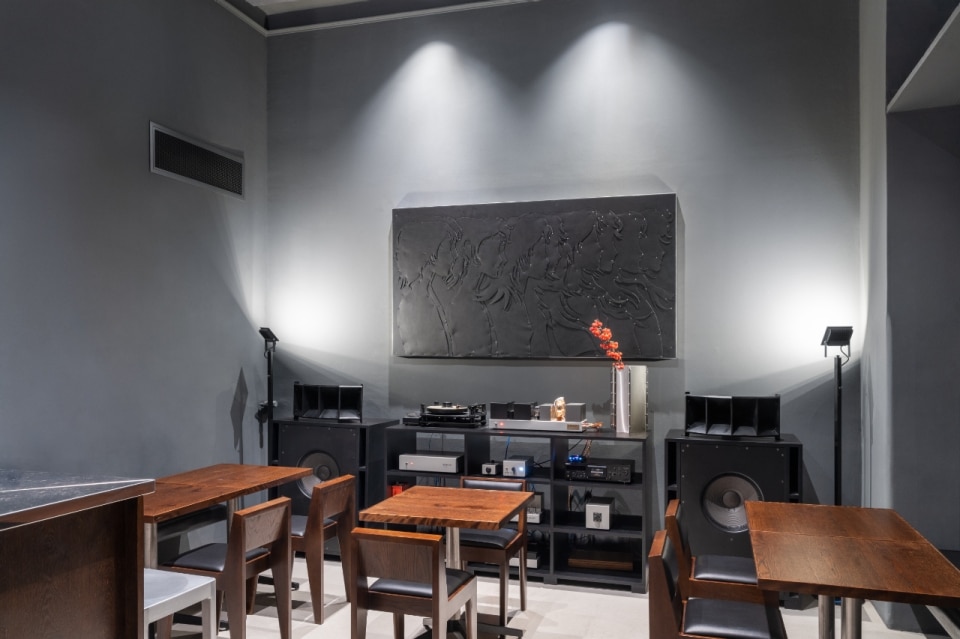
Bene Bene Bar, Via Giovanni Battista Morgagni, 31
Photo Delfino Sisto Legnani
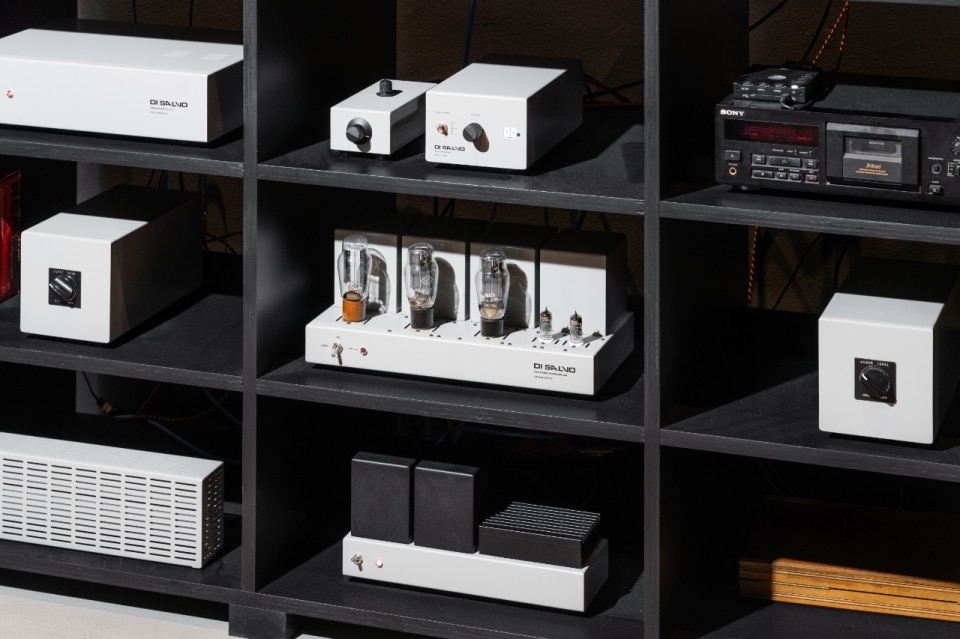
Bene Bene Bar, Via Giovanni Battista Morgagni, 31
Photo Delfino Sisto Legnani
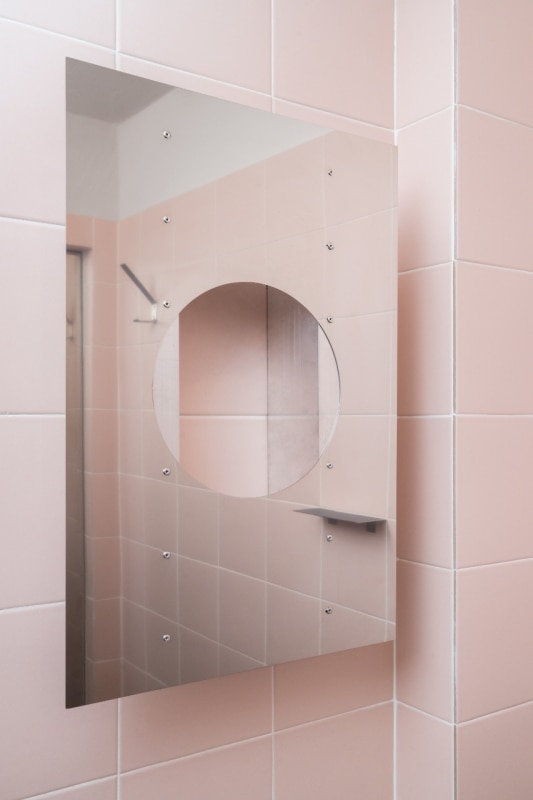
Bene Bene Bar, Via Giovanni Battista Morgagni, 31
Photo Delfino Sisto Legnani
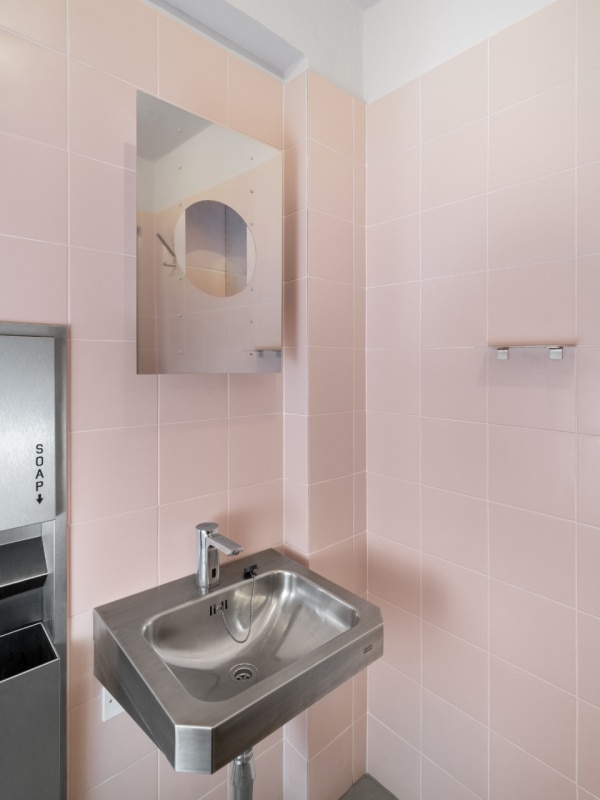
Bene Bene Bar, Via Giovanni Battista Morgagni, 31
Photo Delfino Sisto Legnani
Bene Bene Bar, Via Giovanni Battista Morgagni, 31
Photo Delfino Sisto Legnani
Bene Bene Bar, Via Giovanni Battista Morgagni, 31
Photo Delfino Sisto Legnani
Bene Bene Bar, Via Giovanni Battista Morgagni, 31
Photo Delfino Sisto Legnani
Bene Bene Bar, Via Giovanni Battista Morgagni, 31
Photo Delfino Sisto Legnani
Bene Bene Bar, Via Giovanni Battista Morgagni, 31
Photo Delfino Sisto Legnani
Bene Bene Bar, Via Giovanni Battista Morgagni, 31
Photo Delfino Sisto Legnani
Bene Bene Bar, Via Giovanni Battista Morgagni, 31
Photo Delfino Sisto Legnani
Bene Bene Bar, Via Giovanni Battista Morgagni, 31
Photo Delfino Sisto Legnani
Bene Bene Bar, Via Giovanni Battista Morgagni, 31
Photo Delfino Sisto Legnani
Bene Bene Bar, Via Giovanni Battista Morgagni, 31
Photo Delfino Sisto Legnani
Bene Bene Bar, Via Giovanni Battista Morgagni, 31
Photo Delfino Sisto Legnani
Around it, a broader range of offerings unfolds to multiply opportunities for participation, ranging from special events to a membership club and a dedicated line of clothing and accessories.
From club noise to the new ritual of listening
The setup also takes on pop-up forms, a format seen with increasing frequency during Salone del Mobile: a symptom of growing interest in high-end audio systems and accompanying furnishings, but also an intriguing indicator of the collective modes of consumption that music seems to dictate today.
Fifty years ago, design manifested in club architecture through dance floors, new materials, multimedia, and optical effects. There, music was the detonator of a loud, liberating, clamorous fun, and the space was a coup de théâtre designed to emphasize its effect. This stands in stark contrast to today’s hushed, intimate atmosphere, where composed body etiquette defines a new culture of listening.
Opening image: Giorgia Longoni Studio, Mogo, 2025, Milan, Italy. Photo by Guido Rizzuti