
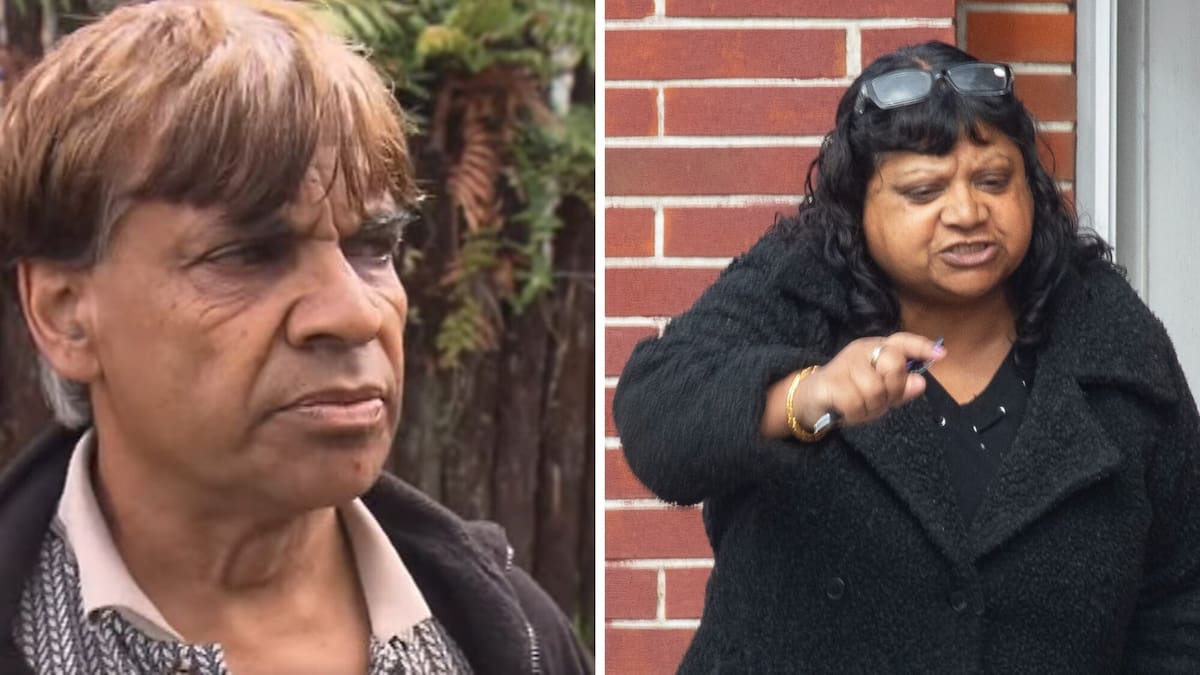
Among the Bhanas’ failings were the property’s conditions – including faulty power points, mould, holes in the ceiling and an inability to lock some doors and windows.
The Bhanas first took the tenant to the Tenancy Tribunal, claiming rent arrears of $8418.57.
The tenant admitted the arrears, but pulled up the Bhanas on their failings and subsequently won the greater award in the case.
In his order, tribunal adjudicator John Greene said the Bhanas were well aware of their statutory responsibilities but “chose to continue to ignore them”.
In refusing to grant them name suppression, he said their actions caused “considerable detriment to tenants” and future tenants should be aware of their behaviour and continuing non-compliance.
He suppressed the identity of the tenant and the property address.
The conditions at one of the Stephen and Jasu Bhana properties in Rotorua. Photo / Supplied
Greene awarded in favour of the tenant and ordered the Bhanas to pay exemplary damages of $8600 and compensation for “loss of enjoyment of the tenancy” of $2640.
After taking off the rent arrears, the Bhanas must pay the tenant $2821.43.
Greene also ruled the tenant should receive their $2760 bond back from the Bond Centre.
Greene said in his order that the Bhanas interfered with the tenant’s quiet enjoyment of the property to the extent it “amounted to harassment”.
He said Jasu Bhana filmed the tenant and her visitors and made a comment to the effect that she believed the tenant had a gun. Greene saw the video as part of the evidence.
The tenant was so concerned about that allegation, she made a police complaint, the order said.
Jasu Bhana said in evidence she did not back away from her allegation and she still believed the tenant had a firearm, although she conceded she had no proof.
Greene found the Bhanas did not maintain the property in a reasonable state of repair and failed to comply with Healthy Homes Standards.
A list of issues was presented during the hearing by the tenant’s lawyer, Meredith Herbert, from the Rotorua Community Law Centre.
They included electrical faults with power points in bedrooms and the laundry, mould from leaking in the bathroom preventing the proper use of the shower, carpets soiled with an offensive odour, broken door locks and window handles, the kitchen cupboards and sink were not properly attached, a hole in the wall above the kitchen sink and leaking laundry taps.
There were also missing door handles, holes in the lounge and bathroom ceilings; significant rubbish outside; mould on windows, in the shower and in the bathroom; blocked gutters causing rain to overflow; and a dirty heat pump that did not work properly.
The tenant described the property as mouldy, cold and damp, difficult to heat and “horrible to live in”.
She said the children had to sleep in the lounge, could not play outside, and the premises couldn’t be locked properly.
Greene’s order said the landlords’ main defence was they attended to all repairs notified to them and the tenant’s claims were made up in a bid to obtain compensation and avoid paying rent.
Greene noted Stephen Bhana had used the same defence to the tribunal several times before, and each time it had been rejected.
He quoted from another Bhana case heard the prior day, when Greene ruled: “What I observed from the landlord’s behaviour (especially Mr Bhana, less so his sister) was a rambling attempt in almost forensic detail to avoid responsibility (or liability) that flew in the face of the evidence, photographic and documentary, before the tribunal.”
Greene went on to add that in this recent case he did not find aspects of the Bhanas’ evidence to be credible or reliable.
In awarding exemplary damages for various failings, Greene said he set those at the higher end.
“This is because the landlord knows from the many past tribunal orders what their responsibilities are. There is a pattern of behaviour that is difficult to fathom.”
Greene said the tribunal could not stop people from being landlords.
“But it can punish them for repeated or serious non-compliance.”
Kelly Makiha is a senior journalist who has reported for the Rotorua Daily Post for more than 25 years, covering mainly police, court, human interest and social issues.