
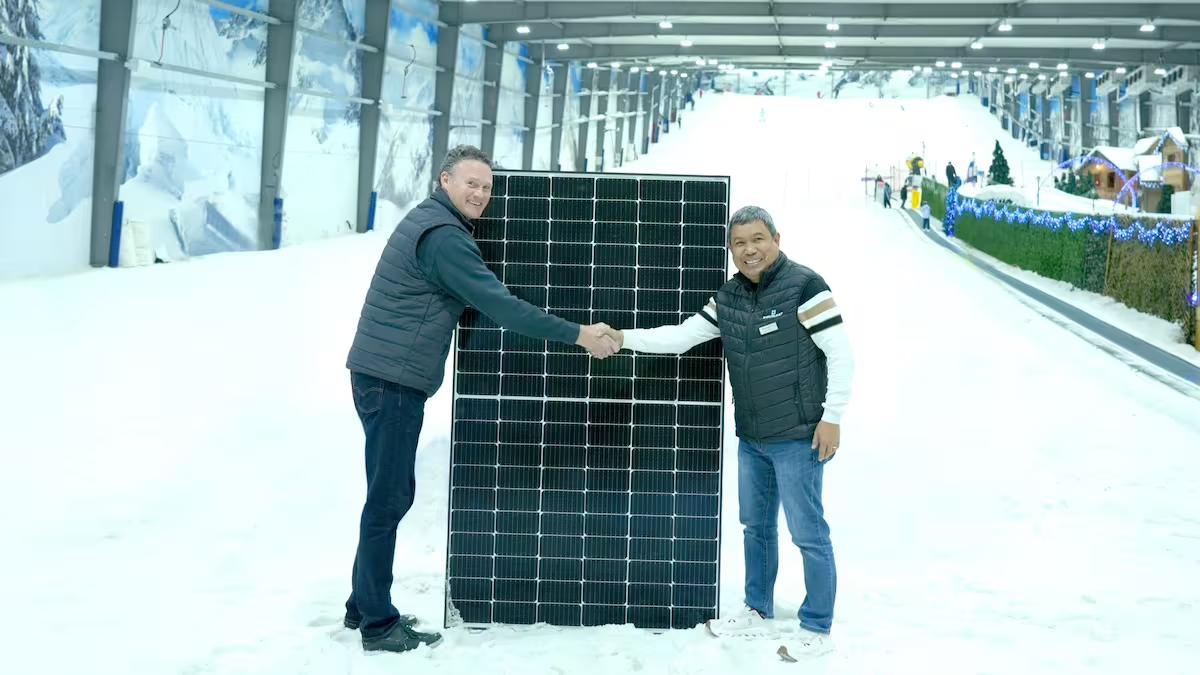
The new system, designed and installed by Sunergise, features 2317 ground-mounted panels on the hillside adjacent to the facility.
Engineers opted for a ground-mounted system because the facility’s roof already carries 150 tonnes of load, and penetrating the waterproof membranes posed a structural risk.
The hillside placement also allowed Sunergise to orient the panels for optimal year-round output, with the installation able to generate about 1500 megawatt-hours of electricity per year, cutting the facility’s grid energy reliance by about 30%.
When the slopes need the most cooling power and the panels are generating at their peak, the system produces more electricity than the facility can feasibly use, with the surplus produced flowing back to the grid.
The project was completed through a financing deal in which Sunergise retains ownership and maintenance responsibilities of the panels, while Snowplanet purchases the electricity at a fixed rate below standard grid prices.
The new system features 2317 ground-mounted panels on the hillside adjacent to the facility.
Sunergise chief executive Paul Makumbe said the commercial logic of the project was clear.
“The hottest summer days are when Snowplanet’s cooling demand peaks, which matches our maximum solar generation. The project offsets 101 tonnes of carbon annually without requiring any upfront capital from Snowplanet,” Makumbe said.
The installation is the latest addition to Sunergise’s portfolio, with the company responsible for more than 200 commercial projects to date.
Recent projects include a 5.3 megawatt installation for Fisher & Paykel Healthcare, the largest rooftop solar energy system in New Zealand, and a 2.3 megawatt array for retail precinct Mānawa Bay.
Tom Raynel is a multimedia business journalist for the Herald, covering small business, retail and tourism.
Stay ahead with the latest market moves, corporate updates, and economic insights by subscribing to our Business newsletter – your essential weekly round-up of all the business news you need.