
Green MP Tamatha Paul said the bill, given English was already considered a de facto official language, was a “waste of time” in Parliament’s last 100 days before the election when people were “struggling” to pay their bills.
“That is such a pathetic waste of the responsibility of this House. Pass legislation that matters,” she said.
“I’ll say it a lot more frankly – I’ll put it in plain English for you. English was a bastard language – this is what you’re fighting to protect – a language that is not even its own. It’s a bastardisation of Greek, Old Norse, Latin … and this is what we’re wasting the House’s time fighting for.”
Paul called NZ First MPs “snowflakes” who “shiver in their boots” when they hear te reo Māori.
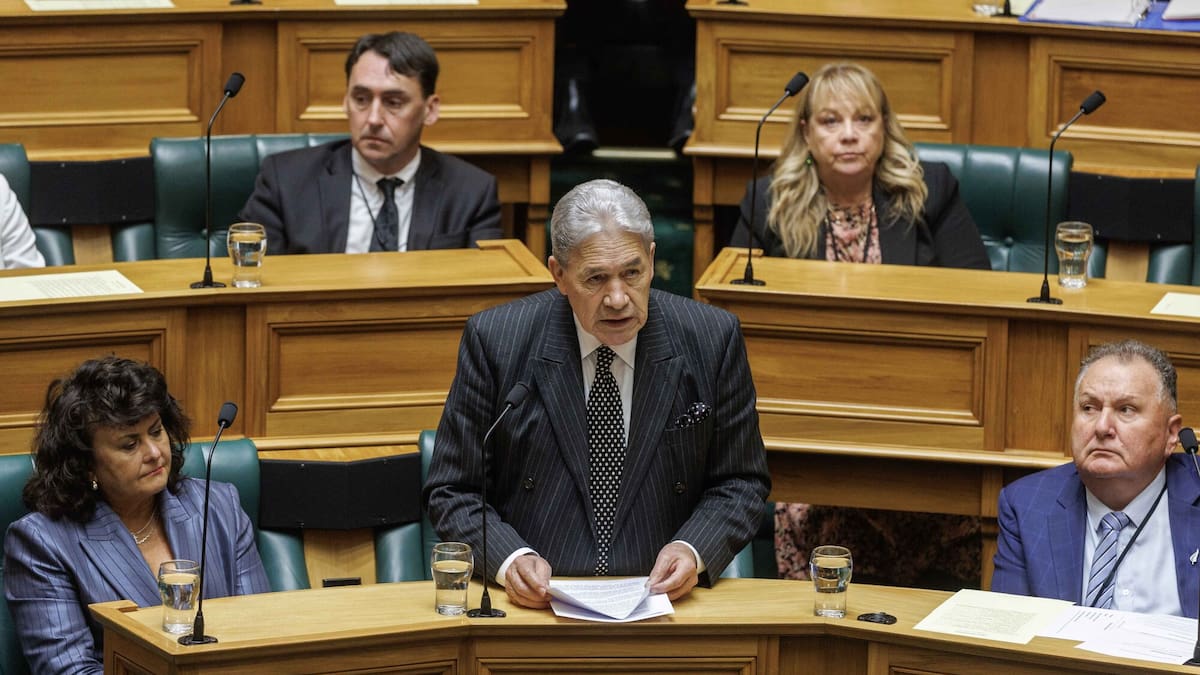
Green MP Tamatha Paul described the bill to make English an official language of New Zealand as a waste of time. Photo / Mark Mitchell
“Let me tell you why te reo Māori has a protected language status – because it was beaten out of Māori systematically. We had to march our a**** to Parliament demanding that the indigenous first language of this country be recognised and not beaten out of the mouths of its native speakers.
“Do you know what the ironic thing is too? English isn’t even an official language in England. Even they know that it is just stupid.”
NZ First MP Casey Costello said there was “value” in providing clarity in law of a language’s official status. She said the bill would not impose any new regulatory regimes or obligations. Despite the Opposition saying the bill was a waste of time, the issue was important to NZ First voters, she said.
“It was assumed the official status already existed. What we do today is turn that assumption into reality,” she said.
She said te reo remained acknowledged in legislation and respected in New Zealand, but “in a mature democracy, we should be capable of acknowledging multiple truths at once”.
“Recognising one fact does not require us to deny another.”
The bill states that the legislative recognition of English would not impact the country’s two other official languages, te reo Māori and sign language.
Julia Gabel is a Wellington-based political reporter. She joined the Herald in 2020 and has most recently focused on data journalism.