
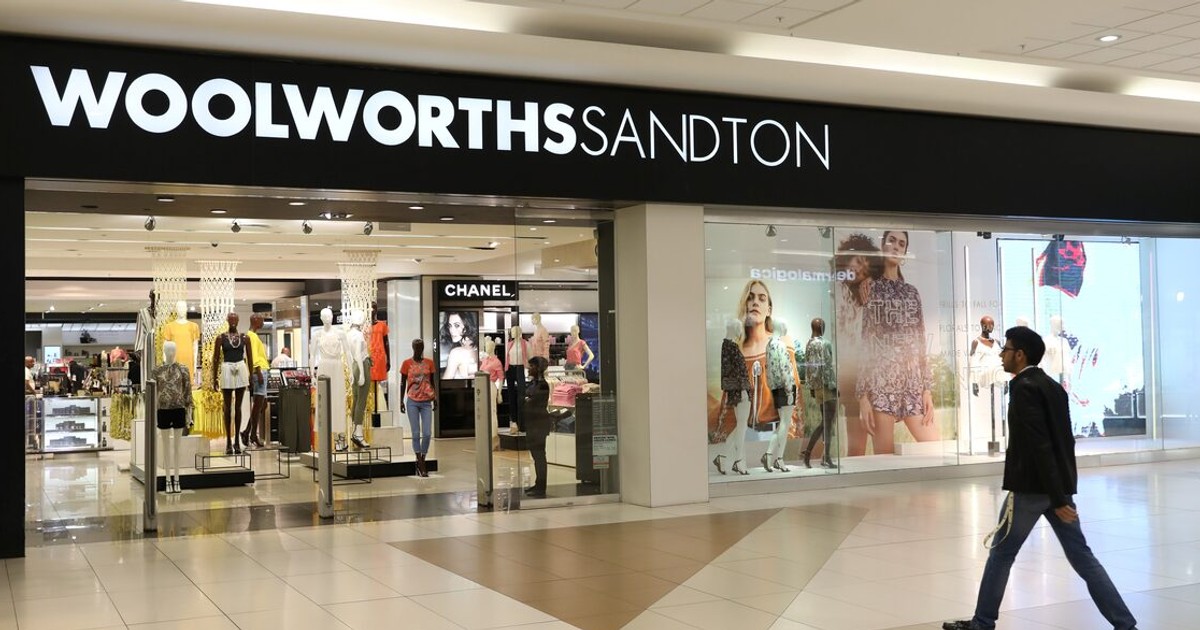
Woolworths Holdings expects only modest annual profit growth after a difficult second half, as higher fuel prices, inflation and interest rates weighed on consumers in South Africa, Australia and New Zealand.
The South African retailer said headline earnings per share for the 52 weeks ended June 28 were likely to increase by between 2.5% and 7.5%, reaching 274.8 cents to 288.2 cents. The comparable figure was 268.1 cents a year earlier.
The range is a trading-statement estimate rather than the company’s final audited result. It points to positive earnings growth, but at a much slower pace than the sales momentum Woolworths reported in parts of the previous financial year.
Group turnover and concession sales increased by 4.3%, or 4.8% at constant currency. Growth slowed to 3.3% in the second half, reflecting weaker spending conditions across the group’s main markets.
South African shoppers keep food sales growing

Woolworths South Africa recorded turnover and concession sales growth of 5.4% for the year. Its food business remained the strongest division, with sales up 5.7%.
Fashion, Beauty and Home sales grew by 4.4%, but promotional activity and the clearance of excess inventory placed pressure on margins. That division is more exposed to discretionary spending than food, making it a useful indicator of how households are responding to higher living and borrowing costs.
Rate pressure reaches company earnings
Interest rates matter to Woolworths in two ways. They affect the cost of credit for shoppers, and they influence demand for discretionary products such as clothing and homeware.
The retailer linked the tougher second half to higher fuel prices, inflation and interest-rate increases associated with the Middle East conflict. Those pressures can lift transport and operating costs while leaving consumers with less disposable income.
Country Road improves, but second-half sales slip
Woolworths’ exposure extends beyond Africa through Country Road Group, which operates in Australia and New Zealand.
Country Road Group sales rose 1% for the full year, but declined by 0.5% in the second half. The business nevertheless returned to full-year profitability after cost reductions and tighter control of discounting.
The result gives the Woolworths update an international dimension. It suggests that pressure on discretionary spending is not limited to South Africa, even though the strength and causes of the slowdown differ across markets.
What the final results must confirm
Woolworths is expected to publish its full annual results separately. Those numbers should clarify margins, cash generation, dividends and the performance of individual divisions.
Until then, the company’s HEPS range should be treated as preliminary guidance. The key question is whether resilient food sales can offset margin pressure in Fashion, Beauty and Home and the slower second-half performance at Country Road.