

New Zealand’s emissions cuts must more than double in pace to keep national climate targets within reach, the Climate Change Commission said on Wednesday.
The country’s second and third emissions budgets face high risk, while the 2030 biogenic methane target is now unlikely to be achieved.
The Commission is calling for targeted finance, clearer investment signals and faster uptake of technologies including EVs, rooftop solar, batteries and industrial heat pumps.
New Zealand is cutting greenhouse gas emissions too slowly to meet several of its climate targets, raising pressure on the government to strengthen policy and investment settings over the next two years.
The Climate Change Commission said on Wednesday that emissions progress stalled in 2024. It warned that the pace of reductions must more than double over the next few years to put the country back on track.
“This is a clear warning sign,” commission Chief Executive Jo Hendy said. “Emissions are gradually falling but progress stalled in 2024, and current policy settings are not delivering at the pace needed.”
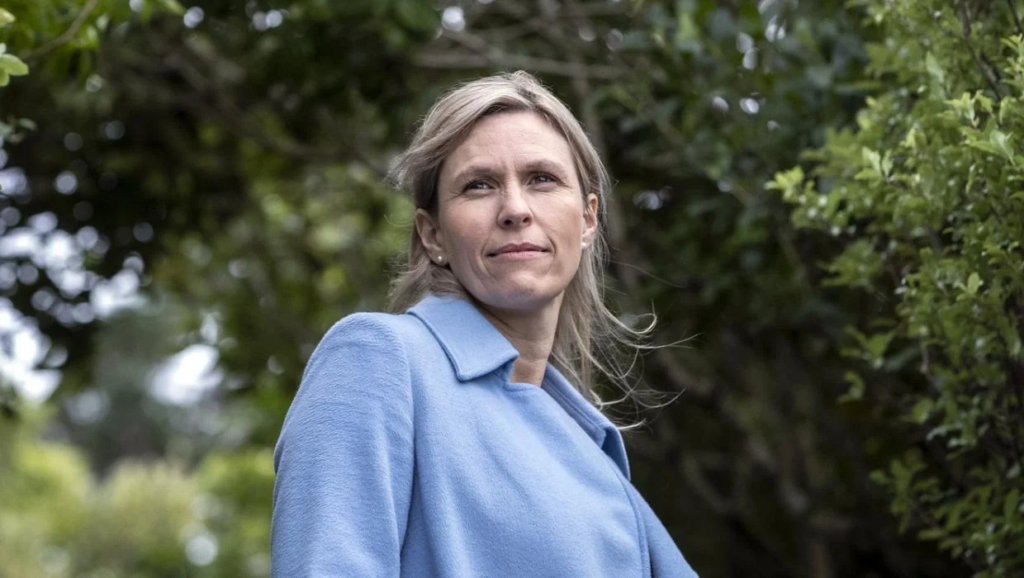 Chief Executive Jo Hendy
Emissions budgets face growing risk
The Commission’s annual emissions monitoring report found that New Zealand’s second and third emissions budgets are at high risk.
Those budgets form part of the country’s legislated pathway to reach net zero emissions of long-lived greenhouse gases by 2050. New Zealand also has separate targets for reducing biogenic methane from agriculture and waste.
The report found that the 2030 target for biogenic methane is unlikely to be met. That carries particular significance for New Zealand, where livestock agriculture contributes a substantial share of national emissions.
The findings place greater scrutiny on government decisions expected over the next 12 to 24 months. Policy choices during that period could determine whether emissions reductions accelerate or future targets move further out of reach.
For businesses and investors, the warning also points to greater transition risk. Weak policy signals can delay capital deployment, while abrupt policy tightening later can raise compliance and investment costs.
Commission calls for faster technology uptake
The Commission said New Zealand already has access to technologies capable of reducing emissions while lowering long-term costs for households and businesses.
It highlighted electric vehicles, rooftop solar, batteries and industrial heat pumps. In some common applications, those technologies are already cheaper over their operating lives than fossil fuel alternatives.
However, adoption remains constrained by upfront costs and other barriers.
Hendy said those barriers were slowing investment even where households and companies could benefit from long-term savings.
RELATED ARTICLE: Air New Zealand Invests in New Zealand Nature through First Verified Carbon Removals
The Commission urged the government to expand targeted finance, provide clearer investment signals and improve information for consumers and businesses considering low-emissions technologies.
Such measures could also reduce New Zealand’s exposure to volatile global fossil fuel prices. That economic argument is becoming increasingly relevant as governments balance decarbonisation targets with affordability and energy security.
Policy decisions will shape the next decade
The report shifts attention from long-term ambition to near-term delivery.
New Zealand already has legislated emissions budgets and a 2050 net zero target for long-lived gases. The challenge is translating those commitments into emissions reductions at sufficient speed.
That requires policy consistency across transport, energy, industry and agriculture. It also requires financing structures that help households and businesses absorb the upfront costs of cleaner technologies.
For corporate leaders, clearer government direction could influence decisions on fleet electrification, renewable power, industrial heat and capital expenditure. Investors will also be watching whether future policies improve confidence in New Zealand’s transition pathway.
The Commission’s warning comes as governments globally face a similar challenge: climate targets remain in place, but implementation is increasingly shaped by affordability, political pressure and competing economic priorities.
For New Zealand, the next 12 to 24 months will be especially important. Without faster emissions reductions, the country risks entering the next decade with a wider gap between its legislated climate goals and its actual emissions trajectory.
The ESG News Editorial Team is comprised of veteran financial journalists and sustainability analysts dedicated to providing real-time, objective reporting on global ESG regulations, climate finance, and corporate governance. Our desk monitors daily developments from the SEC, IFRS, CSRD and international regulatory bodies to ensure our 1M+ readers receive accurate, data-driven insights into the evolving sustainable investment landscape. Follow the ESG News Editorial Team for expert reporting on global sustainability standards, ESG disclosures, and climate policy. Access over 10,000 investigative reports and real-time updates.