
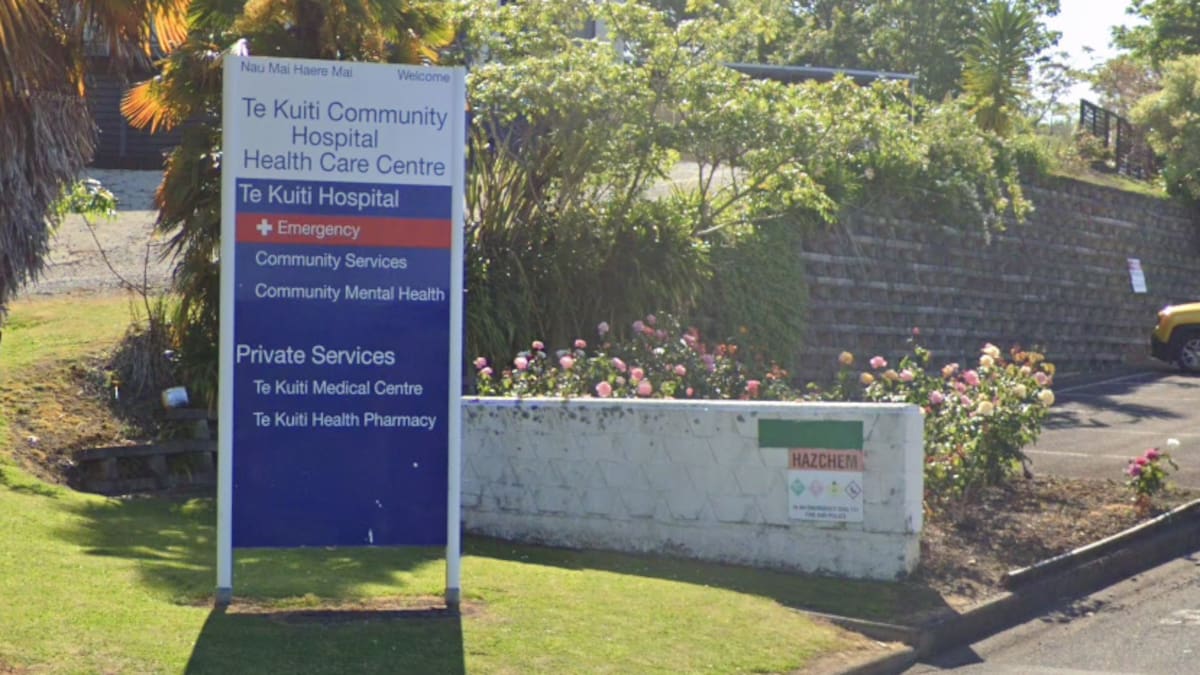
“What these reports do is ask why people are getting there in the first place?”
The report found almost 47% of Te Kūiti’s population identified as Māori, with nearly half aged under 30. It also found many whānau faced barriers accessing healthcare, including transport, affordability, workforce shortages, childcare and difficulty securing GP appointments.
Mikaere said those challenges were compounded by Te Kūiti’s role as a service centre for surrounding communities.
“You’ve got this beautiful area, and it’s got a great GP practice and hospital as well. But you’re also servicing all the rural communities that are coming into it.”
He said funding models often failed to account for the wider catchment, relying on rural centres.
Te Tiratū board member and Te Nehenehenui chief executive Sam Mikaere said funding models often failed to account for the wider catchment relying on rural centres. Photo / Tom Eley
The report recommends:
Increasing access to GP services.Stabilising maternity care.Expanding dental services.Improving specialist outreach clinics.Strengthening transport links.Investing further in kaupapa Māori services.
Mikaere said prevention needed to become a greater focus.
“We will always struggle in New Zealand until we can get our GP numbers up to meet the needs of the people.”
He said many health issues could be identified and treated earlier if rural communities had better access to care.
“Simple things can make a big difference. Preventative healthcare is critical.”
Waikato Hospital, Hamilton. Photo / Mike Scott.
Nicola Ehau, Health New Zealand Te Manawa Taki regional planning, funding and outcomes director, said the report broadly reflected the healthcare access challenges experienced in Te Kūiti and the wider Waitomo district.
“Like many rural communities, workforce availability remains a challenge and can affect service capacity and timely access to care,” she said.
Ehau said Te Kūiti’s role as a healthcare hub for surrounding rural communities was an important consideration when planning local services.
“The Te Kūiti Hauora Report provides valuable insight into community health needs and experiences and will help inform future planning and investment decisions.”
Ehau said a range of services were already available locally, including general practice, specialist outpatient clinics, pharmacy and laboratory services, adolescent dental care and diabetes support.
After-hours care was provided through Te Kūiti Medical Centre’s Saturday clinic, and virtual care when local services were closed.
Health New Zealand had also increased investment in primary care through higher capitation, rural, immunisation and performance-based funding, alongside a new national target for more than 80% of New Zealanders to access a general practice appointment within one week.
Ehau said the district’s integrated model of care, developed alongside iwi, primary care and community providers, was helping improve co-ordination of services and better align care with local needs.
“Continued investment in workforce, primary care capacity and community-based services will help strengthen this model and improve access closer to home.”
Over the next 12 months, Health New Zealand would focus on improving access to primary care, strengthening urgent and after-hours care, supporting workforce development through the Te Manawa Taki Workforce Hub, and identifying opportunities to expand community-based services.
The report is the latest in the board’s Hauora Report Series examining health across 10 localities in the Tainui waka rohe.Photo / Mike Scott
Mikaere welcomed greater investment in rural healthcare but said the focus needed to remain on preventing people reaching crisis point.
“The solution is already here. Rural New Zealand has always had a strong backbone of looking after communities.
“We need to fund those rural communities better and give them greater access to funding so they can have more GPs in place.”
He said the reports consistently pointed to the same underlying issues.
“It comes down to the same things – cost, availability, transport, lack of GPs and overworked doctors.
“We’re saying the solution is your rural centres and it’s about how well we structure them up and staff them.”
Tom Eley is a multimedia journalist at the Waikato Herald. Before he joined the Hamilton-based team, he worked for the Weekend Sun and Sunlive. He previously worked as a journalist at Black Press Media in Canada and won a fellowship with the Vancouver Sun.