
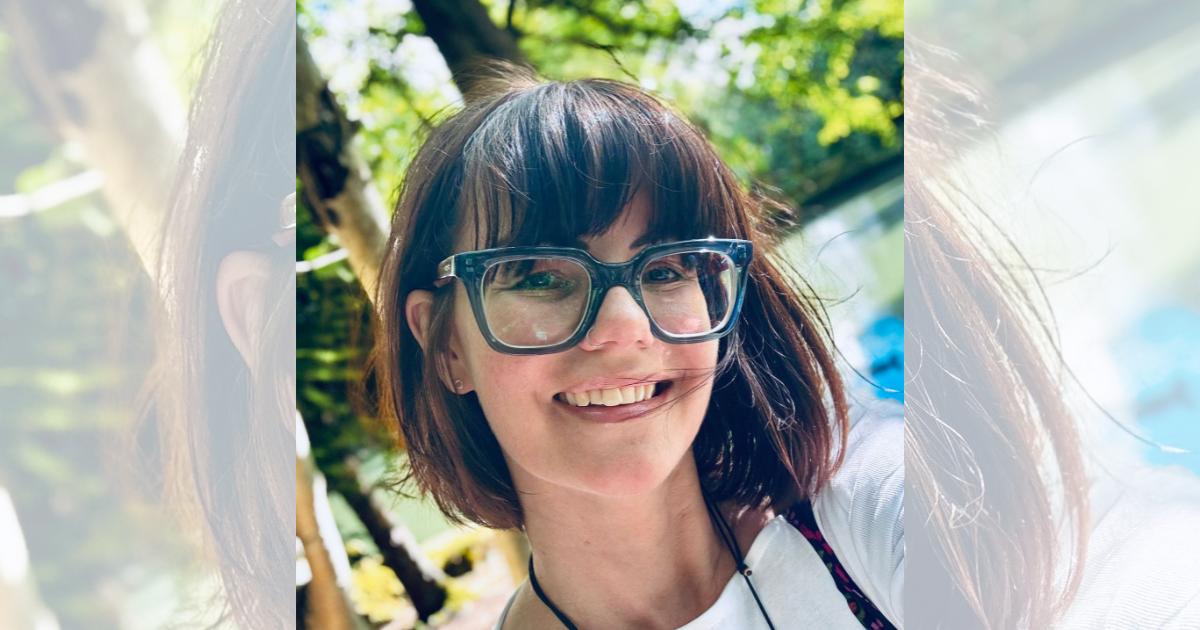
Ann Lowe, an eco therapist based in the town, is providing her services on a pay-what-you-can-afford basis.
More than a decade of work has seen her develop therapeutic spaces and community projects across Cheshire, supporting individuals with experiences including grief, chronic illness, neurodivergence, changing identity and exhaustion.
Ann is now focusing her efforts on her hometown, hoping to make support more accessible to those who need it most.
“I was born in Warrington, and moving back to the area has felt like coming home,” she said.
“I’ve brought with me everything I’ve learned through years of creating therapeutic spaces, working in communities and exploring how our stories shape us.
“I know that many people are carrying an enormous amount at the moment, while access to support can feel increasingly difficult.
“I don’t want cost to be the reason someone feels they have to cope alone, so I’m offering sessions on a pay-what-you-can-afford basis.”
Eco therapy is often described as counselling outdoors, but Ann’s approach is more holistic, making nature an active part of the therapeutic process.
Her sessions might involve walking and talking, sitting quietly in nature, reflective writing, or using the natural environment to shift perspective.
“Being outdoors can change the way a conversation unfolds,” she said.
“Walking side by side can feel less intense than sitting opposite somebody in a room, and the natural world gives us space, movement and a different language through which to understand ourselves.
“We are nature after all.”
Ann is keen to emphasise that the sessions are adaptable.
“People don’t need to be fit, adventurous or even particularly ‘outdoorsy’,” she said.
“We can walk slowly, stop whenever we need to or simply sit somewhere peaceful.
“For anyone who finds walking difficult or inaccessible, I also have a warm, private indoor space where we can meet.”
Her work is grounded in themes of inheritance, curiosity, and authorship.
She encourages clients to explore what they may have inherited from family or culture, become curious about how those experiences have shaped them, and begin to see themselves as the author of what comes next.
“I’m not here to tell people who they should be or how they should live,” she said.
“I want to offer a welcoming space where they don’t have to pretend that everything is fine, and where we can gently explore whatever feels difficult, stuck or unfinished.”