
Some symptoms of the contagious condition include itching that is often worse at night, small red bumps or blisters and burrows on the skin, which look like fine grey lines.
Sufferers in Nelson have previously told the Herald the condition turned into a “living nightmare” for their family and warned that it had become treatment-resistant.
“When I first found out, I was pretty horrified because I thought it was a dirty disease,” 65-year-old Julie said.
“I’ve kind of got used to it now, but every time it happens it’s made me cry because it’s so mentally draining.”
Pukekohe Family Health Care said there was a rise in reported cases in Pukekohe and Franklin, and “a lot of scabies” had been through the clinic.
It wrote on Facebook that the symptoms often showed on people’s hands, wrists, between their fingers or around the waistlines.
“It spreads easily with close contact, school, daycare, sleepovers, sharing beds or towels, so it’s really common for more than one person in a house to catch it,” the clinic wrote.
It advised people to visit their GPs rather than “waiting it out” because scabies would not clear up on its own.
“The whole household often needs treating at the same time, even if only one person has symptoms; that’s what stops it bouncing straight back.”
People were also advised to wash bedding, towels and clothing in hot water on treatment day.
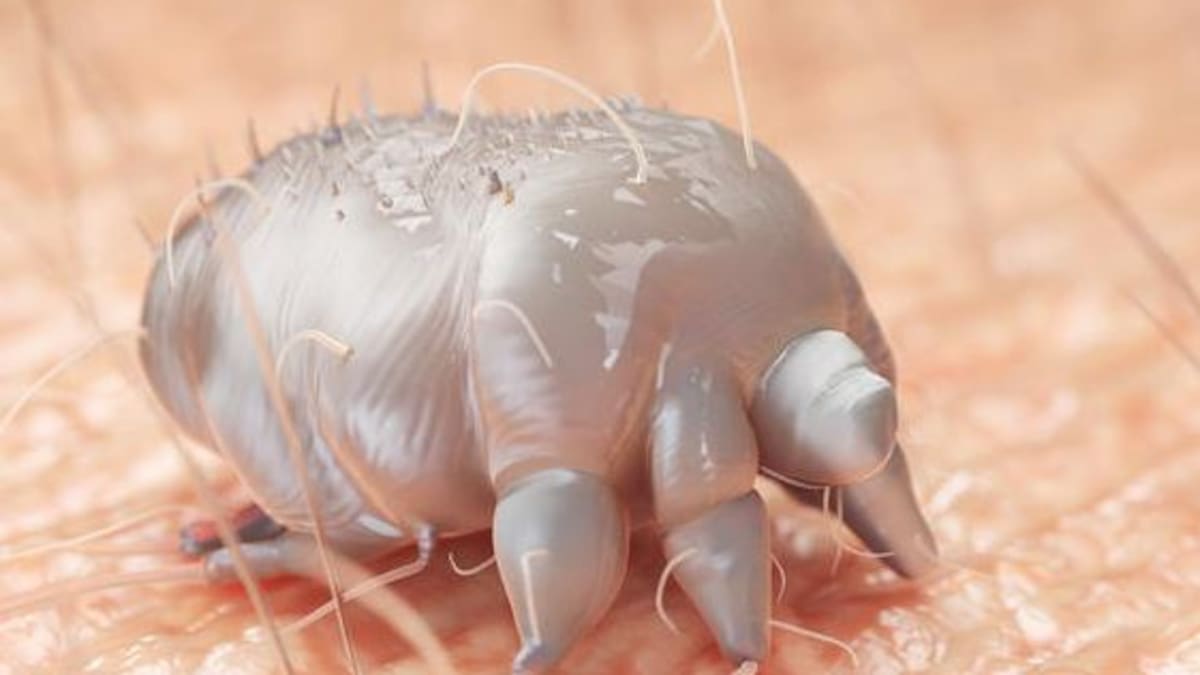
When contracted, people typically develop an intensely itchy rash caused by tiny mites burrowing into the skin. Photo / 123RF
Permethrin or A-Scabies insecticide cream is available over the counter from pharmacies, but people were encouraged to see a GP for an accurate diagnosis and get treatment prescribed.
National Public Health Service chief public health clinical officer Maria Poynter said Health NZ recognised that scabies caused “real difficulties” for some communities.
“Scabies is not a notifiable disease, so we do not have national case numbers, but we are hearing that it is a concern in some places.”
She said Health NZ had worked with Pharmac to make permethrin more available at a lower cost, and had updated HealthEd resources to help the public prevent reinfection.