
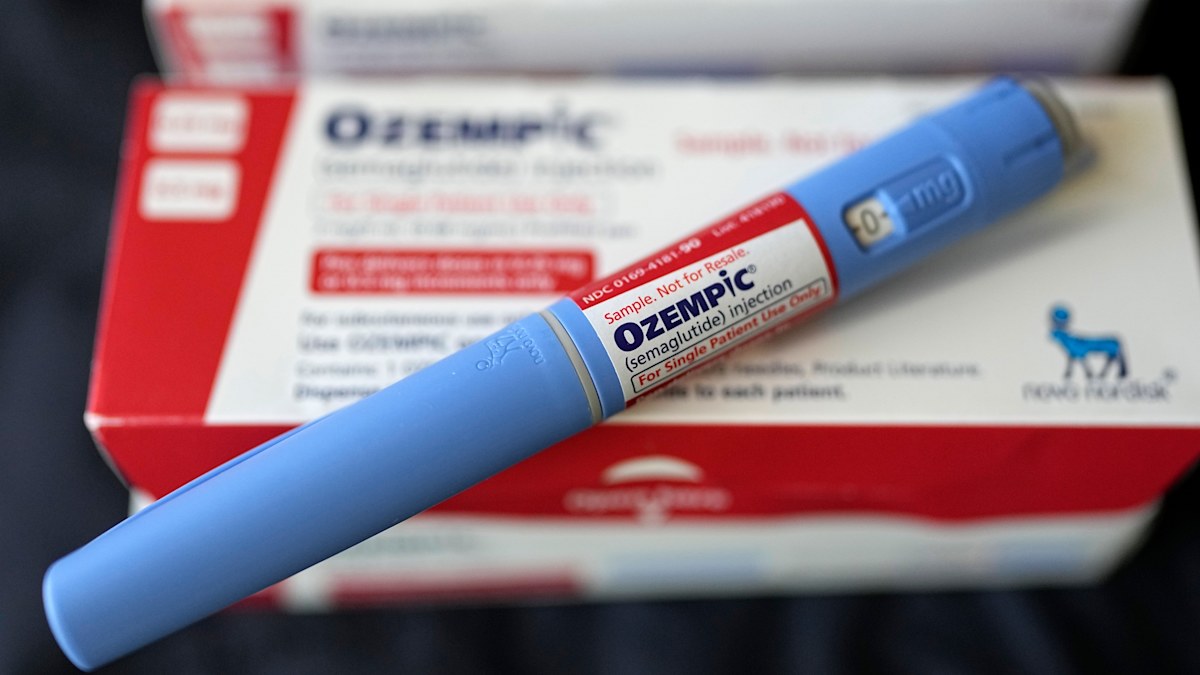
Half a million Australians are regularly using GLP-1 medicines, with almost half paying between $200 and $700 out of pocket each month, new research has found.
A study led by UNSW Sydney estimates about 500,000 people were using GLP-1 medicines monthly by April 2025, with private prescriptions accounting for almost 44 per cent of all use.
Half a million Australians are regularly using GLP-1 medicines, with almost half paying between $200 and $700 out of pocket each month. AP
The research is the first to track both subsidised and private GLP-1 use across the country.
Lead author Associate Professor Michael Falster said demand has skyrocketed, with monthly sales jumping from 58,000 in May 2020 to 500,000 in April 2025.
“Over the same five-year period, PBS-subsidised access increased steadily from 58,000 units in the first month to 280,000 units in the last,” he said.
“Private access surged from zero to 43.8 per cent of total estimated use.”
To fill a gap in national data, researchers combined pharmaceutical sales records with Pharmaceutical Benefits Scheme (PBS) dispensing data to map private supply.
The study’s estimates remain conservative, as they exclude Saxenda and Wegovy prescriptions issued solely for weight loss.
GLP-1 medicines include Ozempic, Trulicity, Victoza and Wegovy, while Mounjaro belongs to a related class of medicines that target GLP-1 pathways.
While developed for type 2 diabetes, they’re often prescribed for obesity, cardiovascular disease, and kidney conditions.
Currently, PBS subsidies are restricted to eligible type 2 diabetes patients, driving calls to expand subsidised access to patients with obesity and heart disease.
Falster said that the data could help policymakers make future decisions around expanding eligibility.
“We know diabetes and obesity disproportionately affect people from low socio-economic groups,” Falster said.
“While it’s clear many people are willing to pay for private GLP-1 prescriptions, it’s also likely many who would benefit will struggle to afford them.”